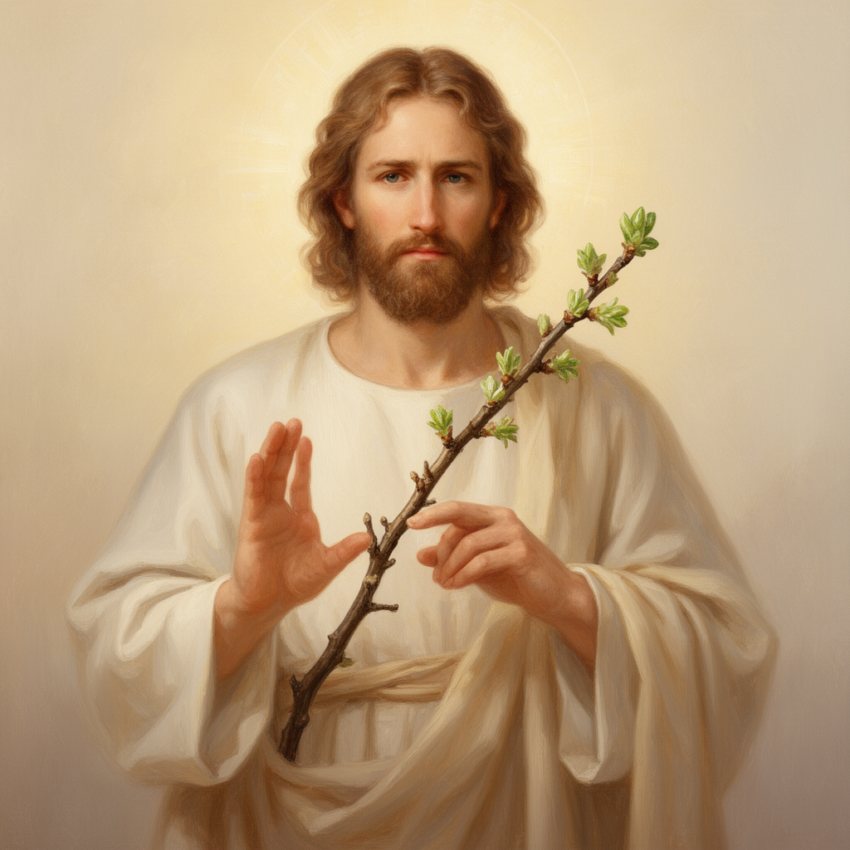
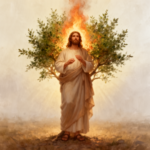
This plant is characterized by a tall, sturdy stalk topped with a prominent, trumpet-shaped flower. The leaves are strap-shaped, smooth, and leathery, growing from a bulb or bulb-like structure. Flowers typically bloom in early spring with vibrant colors such as white, yellow, or pink. The plant prefers well-drained, loamy soil with full sun exposure, often thriving in Mediterranean climates. Its bulbous root system allows it to overwinter underground, emerging annually. The elegant, fragrant blossoms symbolized divine authority and miraculous evidence in biblical narratives.
Scientific Name
Debated (Candidates: Narcissus spp., Amaryllis spp., Possible Pear Tree – Pyrus spp.)
Hebrew/Greek Name
Hebrew:
Common Names
Aaron’s Rod, Narcissus, Amaryllis
Native Habitat
Native to the Mediterranean Basin, including the regions of modern-day Israel, Palestine, Lebanon, and surrounding areas. It thrives in dry, rocky soils with a hot, temperate climate, often found in open fields, rocky slopes, and cultivated gardens.
First Biblical Mention
Numbers 17:8 – When the Lord commanded Moses to gather rods and Aaron's rod budded, blossomed, and yielded almonds overnight.
📖 Biblical References
Reference
Context
Significance
Numbers 17:8
Miraculous emergence of buds, flowers, and fruit from Aaron’s rod overnight.
Symbolizes divine authority, God’s endorsement of Aaron’s leadership, and miraculous confirmation from God to abolish disputes among tribes.
Aaron's rod that budded embodies divine authority, legitimacy, and God's power to transform and affirm leadership. The rapid growth and flowering of the rod from a simple piece of wood symbolize miraculous divine intervention, affirming the chosen leader's divine right. It signifies renewal, divine approval, and the tangible evidence of God's active presence in human affairs. The emergence of flowers and fruit on the rod underscores themes of life emerging from divine sanction, victory over doubt, and the possibility of transformation when guided by divine will. Ultimately, it serves as a reminder that spiritual authority is rooted in God's sovereignty, not human ambition.
🏺 Cultural Uses in the Ancient World
In ancient Israel and neighboring cultures, bulbs like those of Narcissus and Amaryllis were valued for their medicinal properties and ornamental uses. They were used in traditional medicine to treat ailments such as headaches and inflammation. The visually striking blossoms made them popular in gardens and for ceremonial decoration. The bulbs were sometimes traded or used as symbols of renewal and vitality. Their emergence was often associated with spring festivals celebrating rebirth and divine blessing.
✡️ In Jewish Tradition
Jewish rabbinic literature regards Aaron’s rod as a symbol of divine authority and obedience. The blossoming of the rod is seen as a divine miracle, affirming God’s power over nature and leadership. It is referenced during discussions of divine signs to leaders, emphasizing faith in divine intervention. Some traditions view it as a symbol of spiritual bloom and the fulfillment of divine promise, inspiring stories of renewal and divine approval in Jewish history.
Christians often interpret Aaron’s rod that budded as a foreshadowing of Christ’s divine authority and resurrection—an emblem of divine power transforming life from death. It symbolizes faith in God's sovereignty and the miraculous power of divine intervention in human affairs. The blossoming rod is seen as prefiguring spiritual renewal, faith in divine promises, and the divine endorsement of Jesus’ ministry and authority as the Good Shepherd and King.
🔬 Modern Botanical Identification
Scholars debate the exact botanical identification, with candidates including certain Narcissus and Amaryllis species native to the Levant. Some suggest it may have been a symbolic or hybrid plant rather than a specific species. No definitive scientific consensus exists, owing to limited historical botanical evidence, but the Narcissus genus is widely considered a plausible candidate due to its spring flowering and historical presence in the region.
🗺️ Where Is It Found Today?
Today, Narcissus spp. (daffodils) and Amaryllis installations are cultivated in gardens throughout Israel and the Middle East. Native wild populations of Narcissus grow in the mountainous and rocky areas of Israel, particularly in the Galilee and Golan Heights. Cultivated varieties are widely planted in parks and private gardens, maintaining their historical and spiritual associations.
❓ Frequently Asked Questions
What plant is believed to be Aaron’s rod that budded?
Though not definitively identified, candidates include Narcissus and Amaryllis species native to the Mediterranean region. Scholars favor Narcissus due to its early spring flowering and biblical associations.
Why did Aaron’s rod blossom and produce almonds?
The blossoming and almond-like fruit symbolize divine approval and a miraculous sign from God confirming Aaron’s chosen leadership and authority among the tribes of Israel.
Can Aaron’s rod be identified with any modern plant today?
Yes, most commonly with certain Narcissus species (daffodils). While identification remains debated, these plants best match the biblical description of a flowering, fruitful rod emerging overnight.
✨ Did You Know?
Several archaeological findings suggest that ancient peoples in the Levant cultivated narcissus-like bulbs for ornamental and medicinal purposes as early as 2000 BCE. The association with divine signs in the Bible likely contributed to their reverence and symbolic significance across millennia.