The Rose of Sharon is generally described as a flowering shrub or small tree reaching up to 8-10 feet tall. It features dense, dark green, ovate leaves that are glossy and aromatic. In bloom, it displays clusters of large, brightly colored flowers—typically shades of yellow, orange, or pink, often with a central dark eye—though biblical references may imply a lily-like appearance. It produces small, berry-like fruits that are not edible. The plant prefers well-drained soils, full sun, and moderate watering. It thrives in warm climates, particularly in the Mediterranean region, and is cultivated for ornamental purposes with decorative foliage and vibrant flowers.
Scientific Name
Debated (possibly Hypericum Syriacum or related species)
Hebrew/Greek Name
shoshanná (שושנה, transliteration: shoshanná), meaning 'lily' or 'rose' in Hebrew
Common Names
Rose of Sharon, Sharon Rose, Shoshannah
Native Habitat
Native to the Levant and Mediterranean regions, especially Israel and surrounding areas. It grows naturally along coastal hills, plains, and riverbanks with dry, rocky, or well-drained soils. It thrives in warm, temperate to subtropical climates with full sun exposure and minimal frost, often in regions with seasonal rainfall.
First Biblical Mention
Song of Solomon 2:1 (Old Testament, circa 3rd century BCE), where the speaker likens themselves to a 'rose of Sharon'.
The speaker describes themselves as ‘a rose of Sharon, a lily of the valleys,’ symbolizing beauty and love.
This reference elevates the plant as a metaphor for beauty, love, and divine favor, making it a central symbol of romantic and divine love in biblical poetry.
Isaiah 35:1
Describes the wilderness blossoming with flowers, including the ‘glory of Lebanon’—interpreted by some scholars as the rose of Sharon.
Represents hope, renewal, and flourishing life in desolate landscapes, symbolizing God’s restorative power.
✨ Symbolic Meaning in Scripture
Throughout Scripture, the Rose of Sharon symbolizes beauty, love, and divine grace. Its blooming signifies hope, renewal, and God's blessing upon creation. In biblical poetry, it often embodies divine favor and the spiritual blossoming of the faithful. Its vibrant colors and fragrant presence evoke divine love and the vibrancy of life granted by God. The plant’s association with Sharon—a fertile coastal plain—enhances its symbolism of abundance and prosperity. As a metaphor for the beloved or divine relationship, it reflects spiritual beauty that surpasses external appearance, emphasizing inner virtues and divine approval.
🏺 Cultural Uses in the Ancient World
Ancient peoples of the Near East used various parts of the plant for medicinal purposes, leveraging its aromatic qualities. Its flowers were sometimes gathered for worship or decorative purposes due to their beauty. The shrub’s wood and branches may have been used in construction or for fragrant oils. The symbolic significance made it a common motif in poetry and art, reflecting divine beauty and love. Though not a major crop, its presence in gardens and sacred spaces underscored its cultural importance as a symbol of divine grace.
✡️ In Jewish Tradition
In Jewish tradition, the Rose of Sharon is celebrated as a poetic symbol of divine beauty and innocence. It appears in liturgical poetry and rabbinic literature as a representation of spiritual purity and divine love. Its mention in Song of Solomon makes it a symbol of the Messianic age and the closeness of God’s love for Israel. It is also associated with the festival of Passover, symbolizing renewal and hope for the future with references to blossoming and new beginnings.
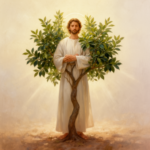
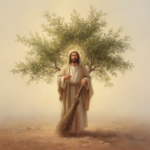
Christian interpretation often sees the Rose of Sharon as a symbol of Jesus Christ’s divine beauty and love for humanity. Its blooming signifies hope and new life, reflecting spiritual renewal through faith. The plant is used allegorically to depict Christ’s role as the beloved and savior, embodying divine grace that enriches believers’ lives. Its association with love, beauty, and resurrection enhances its role as a symbol of spiritual rebirth and divine blessing in Christian art and theology.
🔬 Modern Botanical Identification
Botanically, the precise identification remains debated. Candidates include Hypericum Syriacum, Jasminum sambac, and various lilies like Lilium spp. Due to biblical translation issues and regional variations, there’s no scholarly consensus. Many believe it’s a poetic term for a flowering shrub native to ancient Israel, possibly a type of lily or oleander-like plant used for ornamental or symbolic purposes.
🗺️ Where Is It Found Today?
Today, the Rose of Sharon can be found in cultivated gardens across Israel, especially in coastal and inland regions. It is popular in landscape design for its colorful flowers and resilience in Mediterranean climates. Wild relatives or similar species grow in rocky hillsides and plains throughout the Levant, thriving in areas with warm, dry summers and mild winters.
❓ Frequently Asked Questions
Is the Rose of Sharon the same as the common garden shrub called ‘Sharon’ today?
Not exactly. The biblical plant is believed to be a flowering shrub or lily-like plant native to ancient Israel, whereas modern ‘Sharon’ refers to cultivated ornamental plants. The term has evolved over time, but the biblical plant was more symbolic and possibly botanically different.
Can the Rose of Sharon be cultivated outside the Middle East?
Yes, many species associated with the name can be grown in warm, temperate climates around the world. They require full sun and well-drained soil. In cooler regions, they are often cultivated as ornamental shrubs or houseplants.
What does the Rose of Sharon symbolize in Christian theology?
In Christianity, it symbolizes love, divine grace, and resurrection. Its blooming represents spiritual renewal and hope, often used as an allegory for Christ’s love and the promise of eternal life.
✨ Did You Know?
Some experts suggest that the biblical 'Rose of Sharon' may have been a type of flowering shrub native to the biblical lands, possibly related to the Persian jasmine or oleander, which were valued for their beauty and fragrance in ancient times. Archaeological finds of flowering plants depicted in older inscriptions and art affirm the plant’s cultural importance in the region’s history.