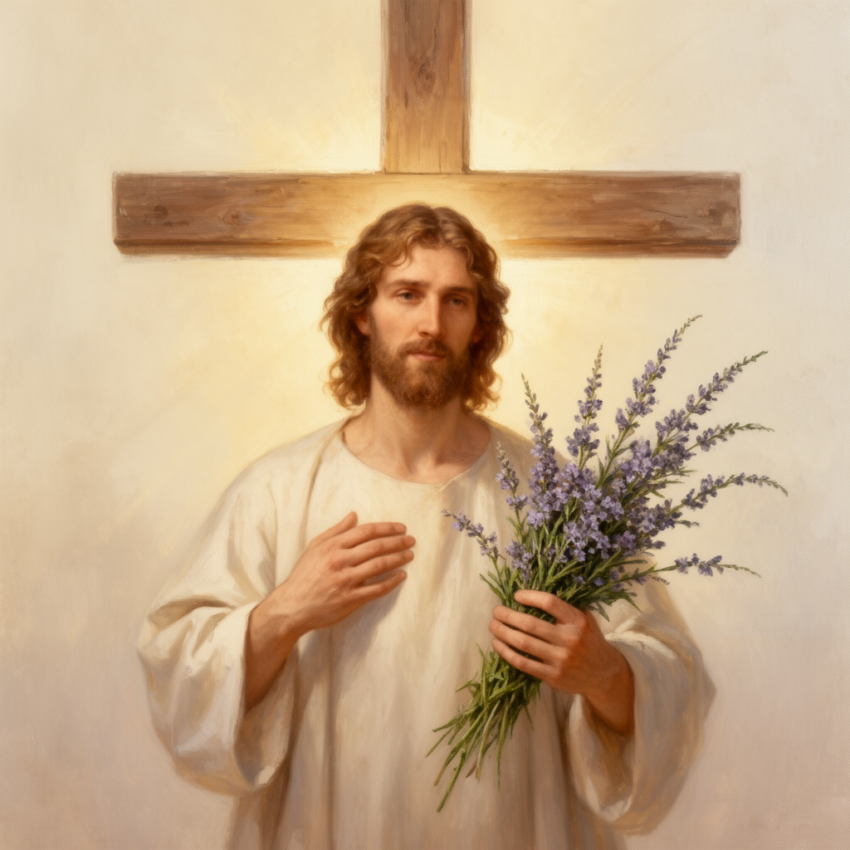
Hyssop (Hyssopus officinalis) is a woody, perennial herb reaching up to 60 cm tall. It has slender, woody stems with aromatic, narrow, ovate leaves, typically dark green. The vibrant purple-blue, small tube-shaped flowers bloom in dense clusters during summer, attracting bees and butterflies. The plant prefers well-drained, sunny locations with calcareous soils, thriving in temperate climates. Its aromatic leaves are used for culinary and medicinal purposes. In biblical contexts, the plant's hardy nature and aromatic qualities enhance its symbolic role.
Scientific Name
Debated (Hyssopus officinalis, Origanum syriacum, or Sambucus)
Native to the Mediterranean region, including southern Europe, North Africa, and the Middle East, hyssop grows naturally in rocky hillsides, limestone soils, and dry, sunny Mediterranean climates. It is cultivated in Israel and surrounding areas today, thriving in lands with good drainage and warm summers.
First Biblical Mention
Leviticus 14:4-6, where hyssop is used in ritual cleansing.
📖 Biblical References
Reference
Context
Significance
Leviticus 14:4-6
Used in rituals for cleansing lepers, symbolizing purification.
Represents spiritual cleansing and renewal through its role in ceremonial rites.
John 19:29
Welcomed at the Crucifixion when Jesus was offered sour wine with hyssop.
Highlights hyssop as a symbol of purification and sacrificial blood in Christian theology.
Psalm 51:7
Describes cleansing of sin using hyssop.
Symbolizes purification from sin and spiritual renewal.
Hyssop embodies purification, spiritual cleansing, and renewal in biblical symbolism. Its use in rituals and at the Cross highlights its association with redemption and cleansing from sin. Spiritually, it represents the transition from impurity to purity through innocent sacrifice and divine mercy. The plant’s hardy, resilient nature also symbolizes steadfast faith and the enduring hope of restoration. Its connection to blood rituals signifies both physical and spiritual purification—pointing to the hope of cleansing through Christ’s sacrifice. Throughout Scripture, hyssop underscores themes of salvation, faith, and divine mercy, making it a potent symbol of hope and spiritual renewal across the biblical narrative.
🏺 Cultural Uses in the Ancient World
Ancient Israelites utilized hyssop for medicinal purposes, including treatments for coughs, colds, and purification. The aromatic leaves and flowers were also used in culinary dishes and for fragrant incense. Its sturdy branches served in ritual cleansing, as seen in Levitical rites. Hyssop's medicinal properties were valued across Near Eastern cultures, often associated with purification and healing practices, and it may have been traded as a valuable herb for both religious and everyday uses.
✡️ In Jewish Tradition
Hyssop holds a significant place in Jewish tradition, particularly in ritual purity practices. It is used in the Passover Seder for the dipping of greens in saltwater and symbolic cleansing. Rabbinic literature emphasizes its role in spiritual purification, and it remains a symbol of faith and renewal in Jewish prayers and ceremonies, especially during Pesach and Yom Kippur rituals.
✝️ In Christian Tradition
In Christianity, hyssop symbolizes spiritual cleansing, purification, and the sacrificial blood of Christ. The Gospel of John depicts hyssop as the means of offering Jesus sour wine at the Crucifixion, linking it to the theme of salvation. Christian liturgy and theology often interpret hyssop as a symbol of redemption, faith, and the deliverance of souls from sin, emphasizing its enduring spiritual significance.
Scholars debate the exact botanical identification of biblical hyssop, with candidates including Hyssopus officinalis (common hyssop), Origanum syriacum (Syrian oregano), and Sambucus species. While Hyssopus officinalis is widely cultivated for its aromatic and medicinal qualities, evidence suggests biblical hyssop may have been a broader term for aromatic herbs used in purification rituals. No scholarly consensus definitively links the biblical hyssop to a single modern species, though Hyssopus officinalis remains the most common candidate.
🗺️ Where Is It Found Today?
Today, hyssop (Hyssopus officinalis) is cultivated in Mediterranean regions, including Israel, Lebanon, and southern Europe. It grows well in garden beds or rocky soils with plenty of sun. Wild populations of Syrian oregano (Origanum syriacum) are also found across the Middle East, especially in the Golan Heights and northern Israel, thriving in similar conditions.
❓ Frequently Asked Questions
Is biblical hyssop the same as modern hyssop?
Not necessarily. While Hyssopus officinalis is a strong candidate, biblical hyssop may have referred to a broader category of aromatic herbs used in ritual purification, including oregano or elderberry species. Scholars continue to explore its precise botanical identity.
What is the spiritual significance of hyssop in Christianity?
Hyssop symbolizes purification, cleansing from sin, and the blood of Christ. Its mention at the Cross connects it to themes of sacrifice and redemption, making it a powerful Christian symbol of faith and renewal.
Can hyssop be grown today in home gardens?
Yes, hyssop is popular in herb gardens, especially in Mediterranean climates or containers with well-drained soil. It requires full sun and moderate watering, making it accessible for gardeners interested in biblical herbs.
✨ Did You Know?
Hyssop's aromatic oils have been used historically for embalming and mummification in ancient Egypt, showing its significance beyond biblical times. Archaeological evidence suggests that herbs like hyssop were highly valued in ancient Near Eastern rituals for purification and protection.