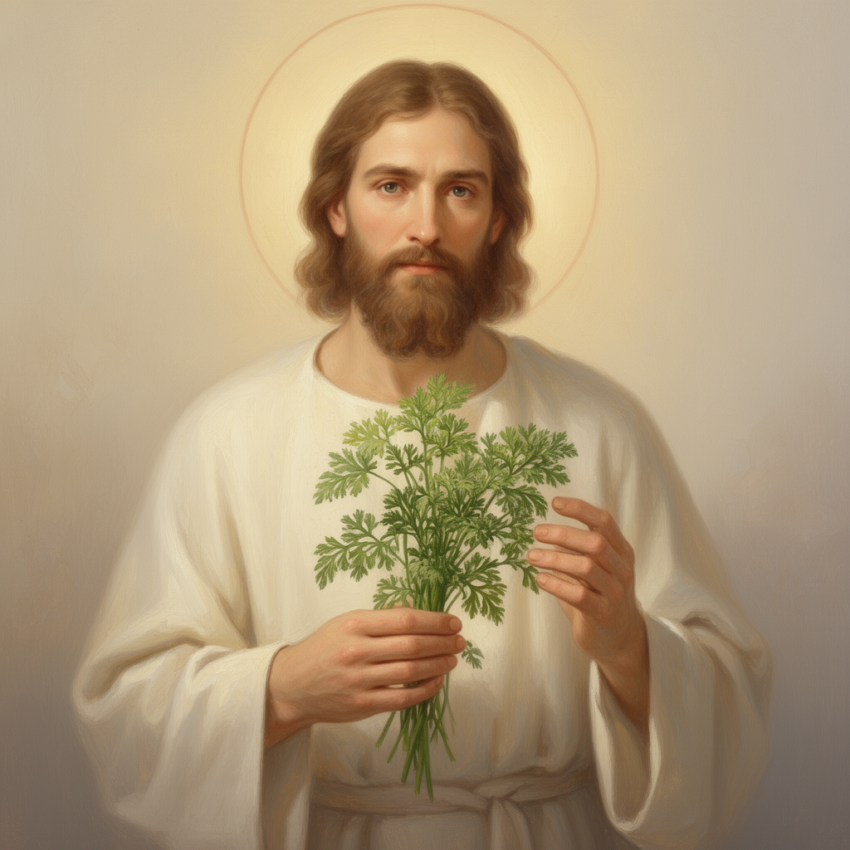
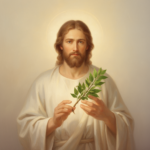
Dill (Anethum graveolens) is an annual aromatic herb reaching 1 to 2 meters in height. It features fine, feathery leaves with a delicate, fern-like appearance and small, umbrella-shaped yellow-green flowers in umbel clusters. The plant produces slender, ribbed seeds that are aromatic and used as a spice. It thrives in well-drained, sandy-loamy soils with full sun exposure, common in the Mediterranean basin, the Middle East, and parts of Europe. Its aromatic foliage and seeds are valued for culinary and medicinal purposes, and the plant prefers warm, temperate climates with moderate watering.
Scientific Name
Anethum graveolens
Hebrew/Greek Name
Zayit (זַיִת) / Dilli (דִּלְּיָא) — note: Hebrew term for dill not explicitly recorded, but related to aromatic herbs
Common Names
Dill, Dilli
Native Habitat
Native to the Eastern Mediterranean and Southwest Asia, dill grows naturally in regions with warm, temperate to subtropical climates. It favors well-drained, sandy or loamy soils and is cultivated across Mediterranean countries, parts of the Middle East, and Europe. Its natural habitat includes open fields, roadsides, and cultivated gardens.
First Biblical Mention
Matthew 23:23
📖 Biblical References
Reference
Context
Significance
Matthew 23:23
Jesus criticizes Pharisees for neglecting the more important matters of justice, mercy, and faithfulness while they tithe mint, dill, and cumin.
This highlights dill as a traditional herb used for tithing and offerings, symbolizing the importance of justice over mere ritual purity.
In biblical symbolism, dill represents the meticulous attention to detailed religious practices, such as tithing minor herbs like dill, which may overshadow broader spiritual principles. It also signifies modesty and humility in spiritual offering, emphasizing that small acts of devotion matter. Spiritually, dill's delicate fragrance can symbolize purity, humility, and the importance of honoring God's commandments with sincerity rather than superficiality. Its mention underscores the value of justice and mercy over mere ritual observance, inviting believers to nurture inner virtues beyond external rituals.
🏺 Cultural Uses in the Ancient World
Ancient Israelites and Near Eastern peoples used dill extensively as a culinary herb, flavoring dishes such as stews and breads. Its aromatic seeds were also employed medicinally to treat digestive issues, colic, and respiratory ailments. Additionally, dill seeds and leaves may have been used in making perfumes or incense. Cultivated in gardens and farms, dill held both practical and ritual significance, often traded within local markets and herbal medicine practices, contributing to food preservation and health.
✡️ In Jewish Tradition
In Jewish tradition, dill was recognized as a designated herb for tithing, as mentioned in the Talmud, symbolizing dedication of even minor herbs to God. While not central to major festivals, dill's role in daily life exemplifies the practice of meticulous observance and the importance of sanctifying everyday objects through acts of charity or ritual. It also appears in rabbinic discussions on purity and dietary laws concerning herbs and spices.
✝️ In Christian Tradition
Christian interpretations view dill as a symbol of humility and the importance of attention to detail in one’s spiritual life. Its mention in the New Testament highlights the critique of superficial religiosity, encouraging believers to pursue genuine righteousness and justice. Dill's delicate aroma is sometimes associated with the gentle, humble service that Christ exemplified, serving as a reminder that small, humble acts can have spiritual significance.
Scholars agree that dill (Anethum graveolens) is the plant referred to in biblical texts. Alternative candidates like fennel or caraway are possible, but botanical and historical evidence strongly supports dill. Its widespread use in the ancient Near East and consistent botanical features confirm this identification.
🗺️ Where Is It Found Today?
Today, dill is cultivated extensively across Israel, the Middle East, Europe, and North America. In Israel, it’s a common herb in markets and home gardens, especially in coastal and agricultural regions where its climate thrives.
❓ Frequently Asked Questions
What is the biblical significance of dill?
Dill symbolizes modesty, humility, and the importance of paying attention to small details in religious obedience, as seen in the practice of tithing minor herbs.
Is dill the same as other aromatic herbs mentioned in the Bible?
While similar herbs like cumin and fennel are also mentioned, botanical studies identify dill (Anethum graveolens) as the specific plant referenced, though historical context may suggest regional variations.
Can dill still be used today in religious or cultural practices?
Yes, dill remains popular in culinary traditions and can be used in rituals emphasizing humility and attentiveness, aligning with its biblical symbolism.
✨ Did You Know?
Dill seeds have been found in ancient Egyptian tombs, indicating their use in rituals and medicine over 3,000 years ago. Archaeobotanical evidence links dill to early trade routes, showcasing its longstanding importance in ancient cultures.