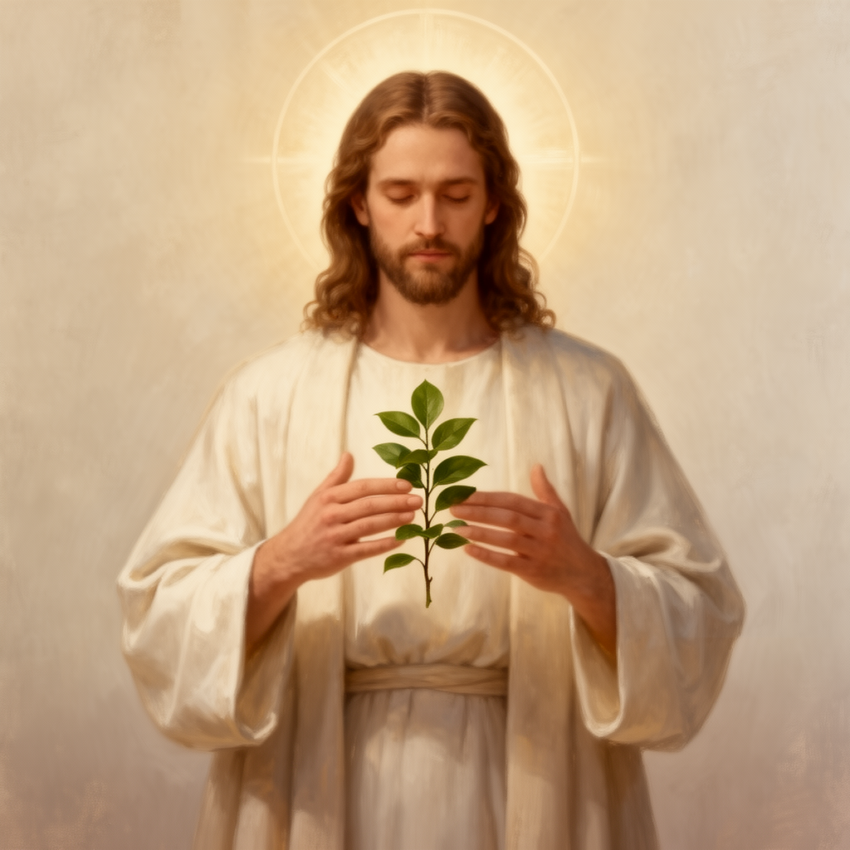
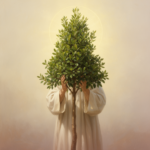
Myrtle (Myrtus communis) is an evergreen shrub or small tree reaching 2–5 meters tall. It features aromatic, dark green, ovate leaves with a leathery texture. In spring, it bears clusters of small, white or pinkish flowers with five petals, emitting a fragrant scent. Its round, blue-black berries mature in late summer, often used for various purposes. The plant thrives in Mediterranean climates, favoring well-drained, rocky or calcareous soils and full sun exposure. With a dense, bushy habit, Myrtle is drought-tolerant once established and often forms part of garden landscapes or wild scrublands in its native range.
Scientific Name
Myrtus communis
Hebrew/Greek Name
Hebrew: הַדְּסֵעַ (hadas), Greek: μύρτος (myrtos)
Common Names
Myrtle, Hadass
Native Habitat
Native to the Mediterranean Basin, Myrtus communis grows naturally in southern Europe, North Africa, and parts of Western Asia. It prefers rocky hillsides, coastal regions, and scrubby maquis, thriving in warm, dry climates with well-drained soil.
First Biblical Mention
Leviticus 14:4, around 1440–1400 BCE, in religious purification rituals.
📖 Biblical References
Reference
Context
Significance
Leviticus 14:4-7
Myrtle is used in purification rituals, specifically in cleansing lepers and contaminated persons, symbolizing renewal.
Represents cleansing, rebirth, and spiritual renewal in Jewish purity laws.
Nehemiah 8:15
The people of Israel use myrtle in the Feast of Tabernacles to rejoice and commemorate their wilderness wanderings.
Symbolizes joy, shelter, and divine provision during the festival.
Zechariah 1:8-10
The prophet describes a riding man among myrtle trees, indicating hope and restoration.
Reflects divine presence, hope for rebuilding, and restoration.
Throughout Scripture, myrtle symbolizes renewal, righteousness, and divine provision. Its evergreen nature reflects eternal life and steadfastness amidst adversity. In the Feast of Tabernacles, it signifies joy and divine blessing. The plant's purification uses evoke spiritual cleansing and rebirth, embodying hope and restoration for God's people. Its use in festivals and rituals highlights themes of renewal, divine protection, and everlasting faith. As a living symbol, myrtle reminds believers of God's enduring covenant and the promise of spiritual renewal, especially in times of hardship or transition. Its lush green leaves serve as a reminder of hope, resilience, and divine presence in both physical and spiritual realms.
🏺 Cultural Uses in the Ancient World
Ancient Israelites and Near Eastern peoples valued myrtle for multiple purposes. Its aromatic leaves and berries were used in perfumes, incense, and medicinal preparations. The plant was also employed in constructing ritualistic items and as a decorative element in festivals and ceremonies. Fruit and foliage served as food additives or for ceremonial offerings, while its wood contributed to small construction works. Myrtle’s fragrant properties made it prized in trade and cultural exchanges, symbolizing peace and prosperity in various traditions. Its use in purification rituals underscores its spiritual significance, making it a vital element in both everyday life and religious observance.
✡️ In Jewish Tradition
Myrtle, or Hadass, plays a central role in Jewish customs, especially during Sukkot when it is part of the Four Species (Arba Minim). It symbolizes beauty, righteousness, and divine blessing. Rabbinic literature associates myrtle with joy and divine grace, emphasizing its spiritual symbolism during festivals and celebrations of harvest and gratitude. Its mention in purification rites also underscores its significance in purity laws. The plant remains a metaphor for spiritual renewal and the ingathering of God's people, reinforcing themes of hope and divine blessing in Jewish life.
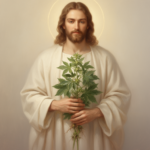
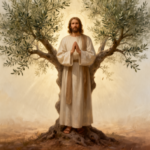
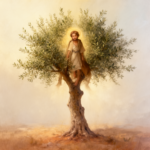
In Christianity, myrtle is often seen as a symbol of eternal life, victory, and spiritual renewal. It appears in Christian art and liturgy as an emblem of victory over death, drawing from its biblical associations with rebirth and righteousness. The evergreen quality has been linked to eternal life through Jesus Christ, and its fragrant beauty symbolizes the sweetness of divine grace. Christian interpretations emphasize the plant's role as a reminder of renewal in Christ and hope beyond earthly life, reinforcing themes of perseverance and divine blessing in spiritual journeys.
🔬 Modern Botanical Identification
Botanically, myrtle is identified as Myrtus communis. While widely accepted among scholars, some debate exists with potential alternatives like Myrtus lusitanica. The plant's presence in the Mediterranean makes its identification straightforward, and genetic studies support its classification. No major controversies persist, but identification remains based on morphological features and geographic distribution.
🗺️ Where Is It Found Today?
Today, myrtle grows abundantly in Israel, Lebanon, Greece, and coastal Mediterranean regions. It is cultivated in gardens and parks for ornamental purposes and naturalized in wild Mediterranean scrublands. Its hardy nature allows it to thrive in rocky, arid conditions characteristic of the region.
❓ Frequently Asked Questions
What does the biblical myrtle symbolize?
The biblical myrtle symbolizes renewal, righteousness, joy, and divine blessing. It reflects spiritual rebirth and hope for divine restoration.
Can I find myrtle today in Israel?
Yes, myrtle naturally grows in Israel and throughout the Mediterranean. It is also cultivated in gardens for ornamental and symbolic purposes.
Is myrtle the same as other Mediterranean plants?
While some similar plants like black myrtle or other species exist, Myrtus communis is the primary candidate for biblical references. Botanical consensus supports this identification.
✨ Did You Know?
Ancient archaeologists have discovered preserved myrtle branches in biblical-era archaeological sites, signifying their importance in religious rituals and cultural practices. The plant's enduring presence in art and literature testifies to its longstanding symbolism across millennia.