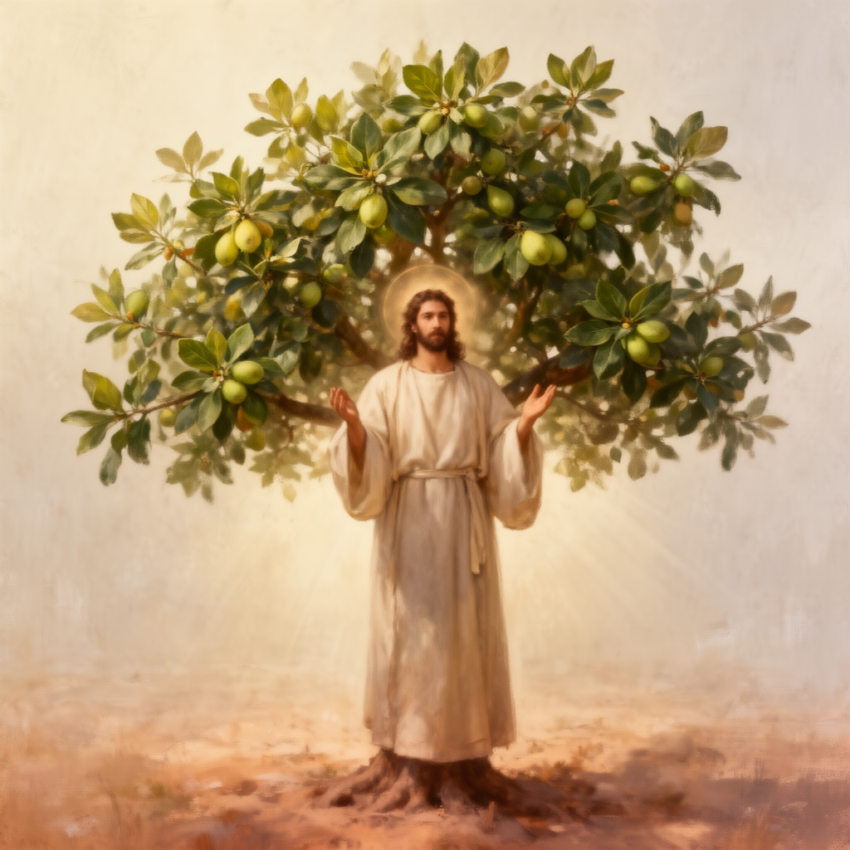
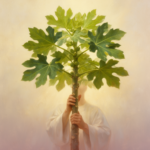
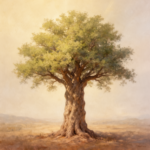
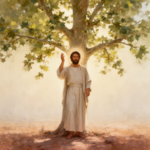
The common fig (Ficus carica) is a deciduous shrub or small tree reaching 7–10 meters tall. It has broad, lobed, green to purple-tinged leaves, with a rough, hairy texture. The tree produces small, greenish-yellow or purple-brown fruits with a sweet, soft interior, often referred to as figs. It thrives in well-drained, sunny soils and warm climates, making it well-suited to the Mediterranean region. The tree flowers covertly within the fruit, relying on pollination by specific wasps, which is unique among fruit-bearing trees. Figs prefer dry, hot summers and mild winters, easily growing in the dry, mountainous terrain of ancient Israel.
Scientific Name
Ficus carica
Hebrew/Greek Name
Hebrew: תְּאֵנה (Te'enah); Greek: συκῆ (sukē)
Common Names
Fig, Common Fig
Native Habitat
The fig tree is native to the Middle East and Western Asia, including Israel, Jordan, Lebanon, and surrounding regions. It flourishes in Mediterranean-style climates with hot, dry summers and mild, wet winters. Historically cultivated in terraces and orchards, it tolerates poor soils and requires minimal irrigation, making it a staple in ancient and modern agriculture.
First Biblical Mention
Genesis 3:7 – Adam and Eve make coverings from fig leaves after the Fall.
Adam and Eve discover their nakedness after the fall and sew fig leaves for covering.
Represents awareness and shame; also the first garment, marking human consciousness of morality.
Matthew 21:18-22
Jesus curses a barren fig tree, which withers away.
Symbolizes judgment and spiritual barrenness; emphasizes faith and the importance of bearing fruit.
Mark 11:12-14
Jesus’ encounter with the fig tree on the way to Jerusalem.
Illustrates themes of expectation, judgment, and the importance of genuine spiritual fruitfulness.
Luke 13:6-9
Parable of the barren fig tree that bears fruit after patience.
Symbol of God’s patience and the call for repentance and spiritual growth.
✨ Symbolic Meaning in Scripture
Throughout Scripture, the fig tree symbolizes prosperity, peace, and spiritual fruitfulness. Its leaves indicate knowledge and shame post-Fall, representing human awareness and moral responsibility. Jesus’ cursing of the fig tree underscores judgment on unfruitfulness and hypocrisy. Conversely, the fruitfulness of the fig tree often signifies divine blessing and spiritual vitality. The parable of the barren fig tree teaches patience, repentance, and the opportunity for spiritual renewal. Overall, the fig tree embodies themes of growth, judgment, mercy, and the importance of bearing authentic spiritual fruit in our walk with God.
🏺 Cultural Uses in the Ancient World
Ancient Israelites cultivated figs as a primary food source, consuming fresh fruit and drying figs for preservation. The leaves and bark were used medicinally for wound treatment and digestive issues. Wooden branches provided material for small construction projects, and fig trees held ritual significance in religious ceremonies. Trade in dried figs contributed to regional commerce. The tree’s products supported both daily sustenance and ceremonial practices, making it a vital element of local economy and spiritual life.
✡️ In Jewish Tradition
In Jewish tradition, the fig tree symbolizes prosperity and righteousness. The Talmud and rabbinic texts often refer to the fig as a symbol of peace and divine blessing. The fruit's cycles align with agricultural festivals, such as Tu Bishvat, the New Year for Trees. Rabbinic literature also emphasizes the importance of planting and caring for fig trees as acts of piety and environmental stewardship.
Christian interpretation views the fig tree as a symbol of spiritual judgment and readiness. The imagery of the cursing tree emphasizes warnings against hypocrisy and unfruitfulness. The fig's spiritual symbolism has been used in sermons to highlight the importance of authentic faith that bears lasting spiritual fruit. It also signifies divine judgment but also opportunity for repentance and renewal, echoing themes of salvation and divine patience.
🔬 Modern Botanical Identification
Scholars universally identify the biblical fig tree with Ficus carica, a well-known species in the Mediterranean region. While some ancient texts suggest other wild or cultivated Ficus species, genetic and botanical studies support Ficus carica as the primary candidate. Its widespread historical cultivation and matching biblical descriptions confirm this identification, although wild varieties may vary regionally.
🗺️ Where Is It Found Today?
Today, fig trees grow abundantly across Israel, Jordan, Lebanon, Syria, and Mediterranean countries. They are cultivated in orchards, home gardens, and archaeological sites, often on terraced slopes and dry hillside terrains that mimic ancient conditions. Wild and semi-wild fig trees are also found in natural rocky areas and along riverbanks.
❓ Frequently Asked Questions
What is the significance of the fig tree in the Bible?
The fig tree symbolizes prosperity, judgment, and spiritual fruitfulness. It serves as a moral and spiritual metaphor emphasizing faith, repentance, and divine patience.
Are all fig trees edible?
Most cultivated Ficus carica varieties produce edible figs. However, some wild or ornamental species may not produce suitable fruit for eating and are primarily used for ornamental purposes.
Can fig trees grow outside the Middle East?
Yes, fig trees can be cultivated in similar warm, temperate, or subtropical climates around the world, including parts of the United States, Mediterranean Europe, and Asia, where conditions mimic their native environment.
✨ Did You Know?
Figs are one of the oldest cultivated crops, with evidence of cultivation dating back over 4000 years in the ancient Levant. Archaeological excavations have uncovered ancient figurines and remains of dried figs, highlighting their longstanding significance in regional diets and rituals.