The biblical balsam is attributed to fragrant resin-producing trees, likely species of the Commiphora genus. These small to medium-sized trees have twisted, gnarled trunks with thorny branches. Leaves are leathery, elliptical, and sparse. The aromatic resin exudes from the bark when cut, forming a sticky, fragrant oleoresin that hardens on exposure. Flowers are small, usually pinkish or white, clustered in terminal inflorescences. The resin, once collected, is used for anointing, perfumery, and incense. These trees thrive in arid, rocky soils with well-drained conditions, predominantly in tabular and mountainous regions of the Middle East, especially Israel, Jordan, and surrounding areas.
Scientific Name
Commiphora sp. (Debated: possibly Commiphora myrrha or related species)
Hebrew/Greek Name
Hebrew: בָּשָׂם (basam), Greek: βασάμον (basamon)
Common Names
Balsam, Balsam Tree, Balsam Resin
Native Habitat
Native to the arid and semi-arid regions of the Middle East, especially the Arabian Peninsula, Israel, and parts of North-Eastern Africa. Prefers rocky slopes, dry soil, and hot climates typical of desert and mountain foothills. The species thrives in regions with seasonal drought and well-drained terrain, making it well-suited to Mediterranean and Sinai environments.
First Biblical Mention
Exodus 30:23 (as an ingredient in the holy anointing oil)
📖 Biblical References
Reference
Context
Significance
Song of Solomon 4:13-14
The bride’s garden is described as filled with balsam, nard, and saffron, symbolizing beauty and richness.
Represents fragrance, beauty, and divine blessing, emphasizing the plant’s valued aromatic qualities.
Exodus 30:23-25
Balsam is listed as a vital ingredient in the sacred anointing oil.
Highlights its spiritual significance and role in consecration and divine service.
Jeremiah 8:22
The prophet laments about the lack of balm for healing among the people.
Denotes healing, comfort, and the longing for divine remedy.
Balsam in biblical Scripture symbolizes divine blessing, purification, and healing. Its fragrant resin embodies spiritual aroma and sanctity, often associated with divine presence and anointing. The plant's aromatic resin signifies the sweetness of God's grace and the spiritual nourishment that comes from His blessings. As a costly and precious substance, balsam also epitomizes devotion, sacrifice, and preparation for sacred service. Throughout Scripture, its fragrance suggests purity and the divine act of consecration, serving as a metaphor for spiritual enlightenment and the pleasing aroma of worship offered to God. Its use in healing and anointing underscores themes of restoration, sanctification, and divine favor, connecting the physical qualities of the plant with the spiritual essences of holiness and divine grace.
🏺 Cultural Uses in the Ancient World
Ancient Israelites highly valued balsam resin for its aromatic and medicinal properties. Used in making sacred anointing oils, it also served as a perfume and incense during worship and festivals. The resin was traded and considered a luxurious commodity, symbolizing wealth and devotion. Balsam’s rare and costly nature made it an important item in diplomatic exchanges and offerings. Its medicinal use included soothing wounds and ailments, reflecting its perceived healing powers. The resin was also used in ceremonial rites for anointing kings and priests, symbolizing divine appointment and blessing. Its fragrant qualities influenced regional trade routes, fostering economic and cultural exchanges among ancient Near Eastern civilizations.
✡️ In Jewish Tradition
In Jewish tradition, balsam is regarded as a sacred and precious spice, integral to the anointing oil used in the Tabernacle and Temple services. It symbolizes holiness, purity, and divine favor. During festivals, especially Hanukkah and Passover, balsam is sometimes referenced as a symbol of spiritual blessing. Rabbinic literature highlights its significance in sacred rituals, emphasizing its role in sanctification and connection to divine presence. Its aroma is seen as a sign of divine imminence and blessing, reinforcing spiritual purity and reverence in synagogue worship and priestly functions.
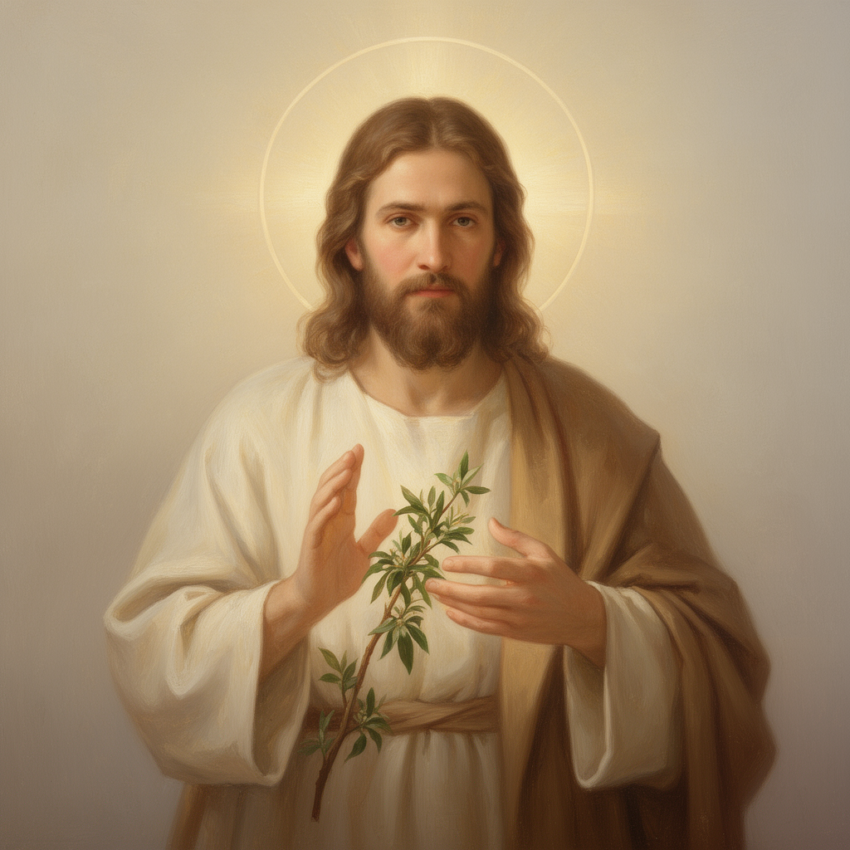
Christian interpretations view balsam as a symbol of Christ’s sacred anointing and the divine fragrance of holiness. It is associated with the anointing of Jesus and the Holy Spirit, representing spiritual consecration. The plant’s resin, emblematic of purification and healing, reinforces themes of sanctification, divine mercy, and the pleasing aroma of worship that ascends to God. In some liturgical traditions, balsam or similar fragrances are used in rites to symbolize Christ's anointing and the anointed life of believers. It also signifies the hope of spiritual healing and divine grace bestowed through faith and worship.
🔬 Modern Botanical Identification
Scholars broadly identify biblical balsam as originating from species of the Commiphora genus, notably Commiphora myrrha (myrrh). However, there is some debate as other species may have been used historically. The precise botanical identification remains uncertain due to ancient trading and naming practices, but the resin’s aromatic properties are well recognized today. Some alternative candidates include Commiphora gileadensis, native to the region, which may have also supplied fragrant resins in antiquity.
🗺️ Where Is It Found Today?
Today, naturally growing balsam trees and sources of medicinal resin can still be found in Israel, Jordan, Saudi Arabia, and surrounding Middle Eastern regions. Cultivation and sustainable harvesting continue, especially in Israel’s desert and semi-desert areas, supporting both local tradition and modern botanical research.
❓ Frequently Asked Questions
Is balsam the same as myrrh?
Balsam is often associated with myrrh, as both are resinous aromatic substances from the Commiphora genus, but they are distinct plants. Myrrh is primarily used for incense and medicine, while balsam’s fragrant resin was valued in anointing and perfumes.
What is the significance of balsam in biblical rituals?
Balsam’s significance lies in its use in holy anointing oils, symbolizing sanctification, divine blessing, and healing. Its aromatic qualities also represent the pleasing fragrance of worship to God.
Can balsam still be obtained today?
Yes, balsam resin can still be obtained from certain Commiphora species grown in the Middle East. However, sustainable harvesting and conservation efforts are important due to overexploitation in some regions.
✨ Did You Know?
Ancient excavations have uncovered balsam resin containers dating back to the First Temple period, illustrating its importance in biblical worship and trade. Additionally, the aromatic resin was so valuable that it was sometimes used as currency among traders in the ancient Near East.