Balm of Gilead is traditionally associated with aromatic resin-producing trees, primarily species of Boswellia or Commiphora. These small, deciduous trees or shrubs reach heights of 2-5 meters, featuring smooth, grayish bark, and fleshy, fragrant resin ducts in their bark and leaves. Leaves are pinnate, with 2-4 pairs of small leaflets. The flowers are small, white to pale pink, clustered in short panicles. Fruit is a leathery capsule containing numerous tiny seeds. The trees thrive in rocky, well-drained soils, typically in hot, arid climates with seasonal rainfall, characteristic of the Middle Eastern regions, especially in the Arabian Peninsula and parts of the Levant.
Scientific Name
Debated (commonly Boswellia spp. or Commiphora spp.)
Balm of Gilead, Gilead Balsam, Myrrh-Tree (incorrect but related)
Native Habitat
Native to arid and semi-arid regions of the Middle East, particularly in Arabian Peninsula, Israel, Jordan, and surrounding areas. They grow in rocky terrains, hillside slopes, and open woodland, thriving in warm climates with well-drained soils, often on limestone and chalk substrates.
First Biblical Mention
Jeremiah 8:22, approximately 6th century BCE, highlighting the balm's significance as a healing resource.
The prophet laments the lack of healing for the people, referencing the balm of Gilead.
Symbolizes hope, healing, and divine comfort amidst spiritual and physical suffering.
Song of Solomon 4:14
Describes the beloved’s garden filled with various fragrant plants, including the balm.
Represents love, beauty, and spiritual renewal.
Jeremiah 46:11
Mentions the balm of Gilead in the context of Egypt’s strategic resources.
Indicates the regional importance and economic value of the balm.
✨ Symbolic Meaning in Scripture
The Balm of Gilead symbolizes divine healing, hope, and restoration in biblical theology. Its fragrant resin, representing medicinal and spiritual regeneration, underscores God's capacity to heal both physical wounds and spiritual brokenness. Throughout Scripture, it stands as a metaphor for divine comfort and the ointment of grace that brings renewal during times of suffering and despair. The imagery of balm signifies the healing power of God's presence, emphasizing the proximity of divine mercy amidst human frailty. Moreover, in prophetic contexts, it signifies divine provision and the possibility of spiritual revival, calling believers toward repentance and trust in God's restorative promises.
🏺 Cultural Uses in the Ancient World
Ancient peoples of the Near East used Balm of Gilead primarily as a medicinal resin, applied to wounds and afflictions for its healing properties. The resin was harvested from wounded trees and traded across regions as a valuable commodity. Its aromatic qualities also made it suitable for use in religious rituals, incenses, and perfumes, symbolizing purity and divine favor. Additionally, the resin was sometimes used in embalming practices and in the preparation of ointments for skin ailments, showcasing its multifaceted role in health, ritual, and trade within ancient Israel and neighboring cultures.
✡️ In Jewish Tradition
In Jewish tradition, Balm of Gilead is revered as a divine gift offering health and spiritual renewal. It features in rabbinic literature as a symbol of divine mercy and healing. The plant’s mention in biblical texts elevates its status, often associated with messianic hope and the longing for divine restoration in times of suffering and exile.
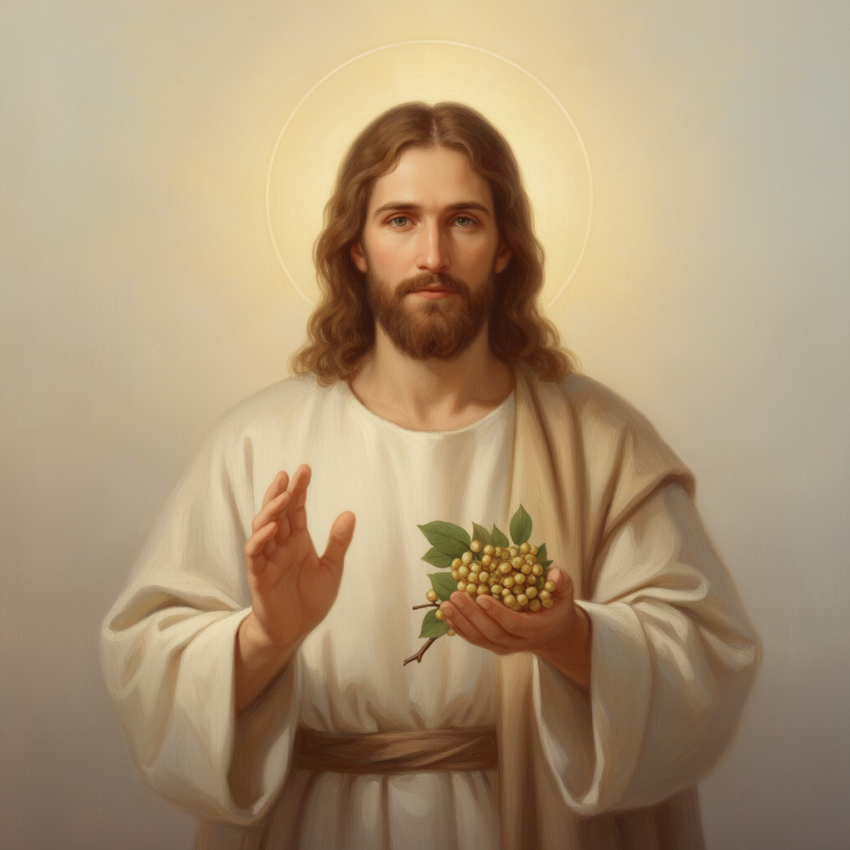
Christian interpretations often view the Balm of Gilead allegorically as a symbol of Christ’s healing grace and salvation. It represents Christ as the divine healer, offering spiritual balm to the wounded soul. The fragrant resin becomes a metaphor for divine comfort and the restorative power of faith, emphasizing Jesus’ role as the ultimate source of spiritual healing and renewal for believers.
🔬 Modern Botanical Identification
Scholars debate the exact botanical identity, with common candidates being species of Boswellia (frankincense-like resins) or Commiphora. Both produce aromatic resins historically associated with Gilead. While Boswellia dominates traditional identification, some suggest Commiphora species as more likely due to geographic distribution. There is no complete scholarly consensus, but the resins are generally recognized as deriving from small, resin-producing trees native to the Middle East.
🗺️ Where Is It Found Today?
Today, Boswellia trees (such as Boswellia sacra) still grow in Yemen, Oman, Somalia, and parts of Israel. Commiphora species, like Commiphora myrrha, are also cultivated across similar regions. These trees are harvested for their resin, which remains valuable globally for incense, perfumes, and medicinal uses.
❓ Frequently Asked Questions
Is Balm of Gilead a specific plant?
The exact botanical identity is debated, but it is most commonly associated with resin-producing trees like Boswellia or Commiphora species native to the Middle East.
What healing properties does the Balm of Gilead have?
Historically, its resin was used for its anti-inflammatory, antiseptic, and wound-healing properties, making it valuable in medicinal and ritual contexts.
Does the Balm of Gilead still exist today?
Yes, related species like Boswellia sacra and Commiphora myrrha are cultivated and harvested in modern times, continuing the plant’s historical and cultural significance.
✨ Did You Know?
Resins from Boswellia trees have been harvested for over 3,000 years, with archaeological evidence indicating ancient trade routes extending from the Middle East to Africa and Asia. Recently, DNA analysis suggests some Balms may derive from multiple species, highlighting the complex history of their identification.