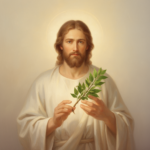
Galbanum is a perennial aromatic resinous plant, generally from the Ferula genus, characterized by tall, stout herbaceous stems reaching up to 2 meters. It bears large, deeply divided, feathery leaves and produces clusters of small, yellowish flowers. The resin exudes from thick, fissured underground or aerial parts, giving off a strong, balsamic aroma when harvested. The plant thrives in rocky, arid regions with well-drained soils, particularly in semi-desert climates. Its durable, woody stems and resin production reflect adaptations to harsh environments, making it suitable for cultivation in similar conditions today.
Scientific Name
Debated (Potential candidates: Ferula spp., Amalanchier spp., or Boswellia spp.)
Native to the Middle East, particularly Iran, Iraq, and parts of the Levant, galbanum grows in arid, mountainous regions with rocky slopes and dry soil. It prefers Mediterranean to semi-desert climates with hot summers and mild winters, thriving in areas with minimal rainfall and well-drained substrates.
First Biblical Mention
Exodus 30:34, first mention as part of the holy anointing oil and incense
Galbanum is one of the ingredients in the sacred incense used in the Tabernacle, signifying holiness and divine blessing.
It symbolizes purity and the connection between the earthly and divine, used exclusively in sacred rites.
Leviticus 14:40-42
Mentioned in the purification rituals for lepers, highlighting its role in ceremonial cleansing.
Represents sanctification and the restoration of purity in spiritual and communal contexts.
✨ Symbolic Meaning in Scripture
Galbanum's fragrant resin symbolizes spiritual sanctity, divine aroma, and the call to holiness. In biblical theology, its use in sacred incense signifies prayer ascending to heaven and a pleasing fragrance to God. Its complex scent combines beauty and mystery, representing the intricate relationship between God and His people. As a symbol of purification and divine blessing, galbanum reminds believers of the importance of holiness, spiritual cleansing, and the presence of God’s aroma in worship. Its inclusion in sacred rituals underscores the idea of spiritual offerings being a pleasing aroma, emphasizing purity, dedication, and divine connection throughout Scripture.
🏺 Cultural Uses in the Ancient World
Ancient peoples used galbanum primarily in religious rituals, especially in incense and anointing oils, highlighting its sacred significance. The resin was also valued in traditional medicine for its believed healing and purifying properties. Beyond spirituality, its aromatic qualities made it a valued commodity in trade, and it was sometimes used in embalming and perfumery. Its resin was collected by making incisions in the plant, then dried and processed for various ritual and medicinal applications in the ancient Near East.
✡️ In Jewish Tradition
Galbanum holds a significant place in Jewish ritual, particularly in the composition of the Ketoret, the sacred incense of the Temple. The rabbis discuss its precise role and the importance of its purity in Talmudic texts. During certain festivals, the fragrance of galbanum in the incense symbolized divine presence and sanctity, reinforcing themes of holiness, purity, and connection to God’s commandments.
In Christian allegory, galbanum is often interpreted as representing the sweet aroma of Christ’s sacrifice and the prayers of saints rising to God. Its biblical use in holy anointings and incense signifies sanctification and divine favor, embodying Christian themes of purification, sanctity, and spiritual aroma that pleases God. Some see its resin as a symbol of spiritual gifts and divine blessing bestowed through Christ’s sacrifice.
🔬 Modern Botanical Identification
Scholars debate galbanum's exact botanical identity; many associate it with certain Ferula species native to Iran and the Middle East known for resin exudation. Some propose it is related to Boswellia species, used for frankincense, due to similarities in resin qualities. No single consensus exists, and the plant remains identified broadly as a resin-producing Ferula, though exact species are uncertain. Alternative candidates include Amalanchier or even a different genus altogether, emphasizing the mystery surrounding its precise identification.
🗺️ Where Is It Found Today?
Today, wild Ferula species, particularly Ferula gummosa and Ferula assa-foetida, are found in Iran, Turkey, and the Levant. These plants are cultivated or harvested in semi-arid regions, and their resin is exported for use in perfumery, medicine, and incense. Protected areas in Israel and surrounding countries also harbor native populations.
❓ Frequently Asked Questions
Is galbanum the same as frankincense?
No, galbanum is a different resin from frankincense, though both are aromatic resins used in incense and rituals. Galbanum has a more pungent, balsamic scent, whereas frankincense is more woody and citrusy.
Can galbanum be cultivated today?
Yes, certain Ferula species can be cultivated in arid or semi-arid regions, especially in Iran and adjacent areas, primarily for resin extraction. However, wild harvesting is still common due to its deep cultural significance.
What are the spiritual lessons associated with galbanum?
Galbanum teaches themes of sanctity, divine aroma, and spiritual cleansing. Its use in biblical rituals highlights the importance of purity, prayer, and offering fragrant worship to God.
✨ Did You Know?
Galbanum resin has been used since ancient times not only in religious rituals but also in traditional medicine across Persia and the Middle East. Archaeological excavations in ancient Near Eastern sites have uncovered galbanum residues, confirming its longstanding cultural importance.