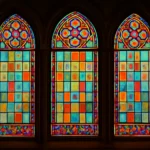
In churches around the world, stained windows—often lovingly called stained glass windows—do more than hold back the weather. They are living records of devotion, artistry, and technological innovation. The colorful panels filter daylight into sacred space, turning ordinary hours into contemplative moments and transforming architectural interiors into a dramatic drama of light and shade. From the medieval glow of Chartres to the modern clarity of contemporary sanctuaries, the instrument remains the same: glass that is painted, fired, fired again, and set into a durable framework of lead. This article offers a comprehensive survey of church stained windows—their history, design principles, and practical guidance for restoration and conservation—so readers can understand not only how they look, but why they matter.
Throughout this guide, you will encounter a range of terms that describe the techniques, materials, and styles associated with religious glass. To help readers navigate the subject, we repeatedly emphasize the essential concepts—“lead came,” “copper foil,” “grisaille,” “cartoon,” and “selection of glass”—so that the vocabulary of window makers becomes part of the reading experience.
History of Church Stained Windows
Early Origins: Symbolism and Light in Early Christian Interiors
The story of glazed church windows begins in antiquity with the aesthetic and liturgical goals of worship spaces. Early Christians borrowed from the Roman and Byzantine tradition, but the use of stained window glass as a narrative medium took shape as congregations sought to illuminate sacred stories and biblical events. In many early locales, color was not merely decorative—it signified spiritual realities. Light was understood as a metaphor for divine illumination, and colored glass became a means to temper the harsh daylight into something more contemplative and symbolic.
In this period the technique was less refined than what would come later, but the underlying impulse was clear: glass art could teach, inspire, and unify a worshiping community through imagery that was legible to the faithful, including those who could not read Latin or Greek. The earliest examples, while simple in design, demonstrate a commitment to narrative clarity and liturgical function—an emphasis that would persist for centuries.
Gothic Innovations: Height, Structure, and Illumination
The great leap for church stained glass came with the Gothic period, a time when cathedrals sought to pierce their stone walls with luminous panels. The crucial innovations included the widespread use of slender lead cames that could hold larger sheets of glass and bear more of the roof’s thrust, which allowed windows to reach unprecedented heights. The combination of architectural ambition and glass artistry produced windows that were as much architectural sculpture as they were pictorial windows.
Iconography became more complex and more integrated with architectural programs. Scenes from the Bible and stories of saints were designed to be read by a congregation that might range from the educated to the illiterate. The interplay of color, line, and light created a mood that could reflect the liturgical calendar, commemorate significant events, and honor patrons or saints who were central to a community’s identity.
Renaissance, Reformation, and Counter-Reformation: Shifts in Style and Purpose
The Renaissance brought a renewed interest in classical proportion and naturalistic representation, which had a measurable impact on stained glass design. Some workshops adopted more three-dimensional modeling, shading with delicate enamel paints, and increased attention to human figures and gestures. Yet the Reformation and Counter-Reformation also redirected priorities. In many Protestant contexts, the number of figurative windows diminished in favor of abstract geometric forms and clear biblical texts. Conversely, Catholic regions often intensified devotional imagery and iconographic symbolism as a means of catechesis and inspiration.
Across Europe, heritage glass from this era reveals a spectrum of approaches—from the restrained to the exuberant. In some cathedrals, restorations preserved medieval designs, while in others, new windows by celebrated artists of the period complemented older glass. The result is a layered palimpsest: windows that tell multiple stories across centuries.
Industrial Age to Modern Times: Technology, Mass Production, and Reform
The 19th and 20th centuries brought transformative technologies to the craft of window making. Mass production, improved glass formulations, and new staining and firing techniques made high-quality stained glass more widely available. The Gothic Revival and Arts and Crafts movements rekindled interest in medieval methods and aesthetics, prompting a reexamination of the relationship between light, color, and narrative.
In modern times, artists have experimented with abstract forms, non-traditional materials, and innovative installation approaches. Some contemporary windows integrate vinyl, fused glass, or textured surface treatments, while others return to traditional methods but with a forward-looking sensibility. The goal remains the same: allow light to animate interior space and communicate meanings that uplift worship and reflection.
Design Principles and Techniques
Materials: Glass, Lead, and Enamel
The typical stained-glass window comprises three core elements: glass sheets, a framework of lead came (the metal strips that hold the glass in place), and a method for securing color and imagery, usually paint on glass fired in a kiln. The materials themselves can be diverse:
Glass types range from traditional soda-lime glass to fused or tempered varieties, each with distinct optical properties and aging characteristics.
Lead cames form the skeleton of the panel; over time they may corrode or sag, requiring careful stabilization during restoration.
Enamel paints and metallic paints allow artists to add shading, faces, drapery, and inscriptions, which are then fired to fuse the pigment to glass.
In some windows, the copper foil technique (the Tiffany method) is used to wrap individual pieces of glass with copper foil before soldering, enabling complex curves and delicate contours.
Iconography, Narrative, and Symbolism
Narrative clarity is a hallmark of traditional church windows. Scenes from the Bible—Creation, the Life of Christ, the Passion, the Saints—were designed to be legible to worshippers who might stand at various distances from the window. In some windows, moral allegories and symbolic motifs (lambs, doves, peacocks, phoenixes) conveyed theological truths beyond the literal scene. The choice of imagery often reflected the history, patronage, or patron saints of the congregation.
Color choices carry meaning as well. Deep blues often evoke heaven or contemplation; fiery reds and golds signal divine presence or royal authority; greens and earth tones can anchor scenes in the natural world and the Church’s mission in creation. The arrangement of figures, borders, and inscriptions contributes to a heraldic or liturgical order that helps congregants read the window as a part of worship.
Composition, Light, and Atmosphere
The design of a window is as much about light as it is about the painted details. Artists consider the window’s orientation, the natural climate, and the interior architecture to determine how color will register at different times of day. Subtle gradations in shade achieved through grisaille—a technique of muted grayscale painting on glass—can create the illusion of depth and texture without overpowering the glass’s luminosity.
The glass-to-glass interface and the thickness of the panes influence how light is diffused. In some instances, the glass itself is textural, with ripple or flashed surfaces that catch and scatter light in particular ways. The overall effect is one of living color, a dynamic color wash rather than a static painting.
Stained Glass in Architecture: Placement, Proportion, and Integration
Windows do not exist in isolation. They are integral parts of architectural programs—nave and chancel elevations, transepts, apsidal chapels, and clerestory galleries. Architects and window designers coordinate the height, width, and placement of each window with the building’s structural system and the liturgical calendar. The window program may be organized by faction—parish, diocese, or religious order—yet it always aims to harmonize art, worship, and the building’s acoustics.
Restoration and Conservation
Assessment, Documentation, and Planning
Conservation begins with a systematic assessment. Conservationists document the window’s condition with photographs, drawings, and sometimes non-destructive scans. They note the age and condition of each element: glass, lead cames, putty, and painted surfaces. This condition assessment informs a conservation plan that balances historical authenticity with structural safety and environmental control.
Record the window’s physical condition and any prior repairs.
Identify materials that may require reversible intervention to preserve historical integrity.
Establish a timeline for stabilization, cleaning, and, if necessary, conservation or restoration work.
Cleaning, Stabilization, and Safety
Cleaning must be undertaken with care to avoid removing original pigments or damaging fragile glass. Conservators typically use procedural, gentle methods that minimize abrasion and chemical impact. Stabilization may involve releading or securing bowed or cracked glass, ensuring the window remains structurally sound and weatherproof.
A common restoration goal is to preserve as much original material as possible while replacing only what is irreparably damaged. If repainting is required, it should be undertaken with materials compatible with original pigments and, ideally, reversible so future restorers can re-evaluate.
Lead Cames, Glass, and Paint: Repair and Replacement Principles
The lead came is a critical component; its deterioration can threaten the whole panel. In many cases, conservators select a sizing approach that stabilizes but does not erase the window’s history. When glass panes crack or craze, options include careful removal and replacement with a historically appropriate glass, or, in some cases, in-situ repair with compatible adhesive systems.
Repainting or repainting touch-ups require exact color matching and careful kiln firing to ensure adhesion and durability. The aim is to retain the original aesthetic while preventing future damage. This often involves collaboration among art historians, stained glass restorers, and the church community.
Ethical Considerations and Modern Interventions
Ethical stewardship of heritage stained glass windows emphasizes minimal intervention and respect for the work’s historical trajectory. Some modern interventions may be justified to improve energy efficiency or address structural moves, so long as they preserve the window’s authenticity and do not confuse or erase the original design. Reversible methods, where feasible, are preferred.
Documentation of any intervention is essential. Future conservators will thank present professionals for the precise noting of materials, methods, and rationale behind decisions.
Preventive Care and Climate Control
Prevention is often the most cost-effective strategy for preserving stained-glass windows. Microclimate management, humidity control, and protection from pollutants help slow deterioration. Regular inspections prevent minor issues from becoming major problems. Protective glazing, appropriate ventilation, and controlled interior climate can dramatically extend the life of a window while maintaining its visual impact.
Practical Tips for Owners, Congregations, and Conservators
Maintenance Schedule and Basic Care
A practical maintenance plan helps ensure windows remain safe and beautiful. Here are actionable steps:
Establish a biannual inspection routine to check for loose or bulging cames, corroded metal, or water ingress.
Inspect for cracks or lens-like effects in the glass, which may indicate ledge movement or impact damage.
Clean surfaces with non-abrasive, mild solutions and soft brushes, avoiding harsh chemicals that could dissolve paints or coatings.
Ensure the surrounding masonry remains intact and free from moisture that could infiltrate the window.
Protection, Display, and Environmental Considerations
Protection strategies balance preservation with visibility. Options include protective glazing or display cases in certain contexts, though these can alter the window’s appearance and ventilation. Decisions should reflect the window’s historical significance, the church’s climate, and the desired visitor experience.
Use secondary glazing with properly chosen materials that allow for ventilation and do not trap humidity behind the original panels.
Control light levels to prevent fading of pigments; move sensitive windows away from direct sun when possible, or use UV-filtering coatings.
Monitor for environmental pollutants and implement filtration or cleaning protocols as needed.
Choosing a Conservator or Workshop
When professional help is required, select a conservator with demonstrated experience in historic glass preservation. Evaluate their approach to documentation, reversibility, and ethical guidelines. Request case studies of past projects and references from other congregations. A transparent scope of work, a written methodology, and an explicit schedule help prevent surprises.
Emergency Response and Crisis Management
In the event of damage from severe weather, vandalism, or structural failure, immediate steps include protecting the window from further harm, labeling the affected area, and contacting a professional conservator. A well-rehearsed emergency plan minimizes additional deterioration and preserves the window’s integrity for restoration work.
Case Studies and Exemplars
Chartres Cathedral: A Masterpiece of Light and Narrative
The Chartres cathedral windows are among the most celebrated in the world for their scale, color, and theological depth. The rebuilt west facade and the Trinity window (among others) demonstrate how color and composition can guide a viewer’s spiritual journey. The windows employ a sophisticated system of leading and painting that has inspired generations of restorers and scholars.
Sainte-Chapelle: Royal Brilliance in Stained Glass
Sainte-Chapelle’s soaring interior is dominated by a suite of intensely saturated blue panes and narrative scenes that celebrate the Passion and the kingship of Louis IX. The chapel demonstrates how volume, proportion, and light interact in a compact space to create an overwhelming aesthetic and devotional effect. Its glass program is a benchmark for understanding how color can transform architecture.
York Minster and the English Gothic Window Tradition
York Minster features a renowned collection of medieval glass that showcases the English Gothic approach to color, figure types, and architectural integration. The windows function within a vast structural system, and their conservation has helped define best practices for maintaining age-old lead cames and painted details while preserving the building’s overall fabric.
Canterbury Cathedral: A Repository of Regional Glass Styles
Canterbury’s windows reflect a blend of northern European influences and local iconography. The careful preservation and, when necessary, thoughtful restoration of windows here offer instructive lessons about how to balance conservation ethics with the community’s desire to retain historical identity and liturgical function.
Examples from Other Traditions: Freiburg and Beyond
Across Europe and beyond, church stained windows appear in a range of styles—from the restrained, geometrically organized forms of some Protestant churches to the lavish, narrative-rich windows of Catholic churches. The Freiburg Minster’s windows reveal an elegant balance of color and line, while other regional programs demonstrate how local materials and workshop traditions shape the final appearance of the glass.
Glossary and Terminology
A quick reference for readers who want to deepen their understanding of stained-glass discourse:
Stained glass: Glass colored with metallic oxides and assembled with lead cames or copper foil.
Lead came: The lead strips that hold individual glass pieces together.
Copper foil technique: A method in which glass pieces are wrapped in copper foil and soldered, enabling complex curves.
Grisaille: A monochrome enamel technique used to create shading and depth on glass.
Cartoon: A full-sized drawing used as the blueprint for the window’s design.
Firing: The process of heating painted glass to fuse pigments to the surface.
Stained-glass conservation: The practice of preserving and restoring historic glass while maintaining its authenticity.
Conclusion: The Living Medium of Faith and Light
Church stained windows are more than art; they are vessels of memory, theology, and community identity. They have evolved through centuries of changing liturgical needs, architectural innovations, and shifting aesthetics. The history of stained glass in churches reveals a continuous dialogue between craft and devotion: artisans working within a frame to capture moments of revelation in color and form.
For congregations, owners, and conservators, the responsibility is ongoing: to protect these fragile treasures, to steward their stories with care, and to share their lessons with future generations. Whether a window is a medieval treasure or a contemporary commission, its vitality rests on thoughtful maintenance, ethical restoration, and an appreciation for the way light can reveal both beauty and belief.
Further Reading and Resources
For readers who want to explore more deeply, consider consulting established references in stained-glass history, conservation manuals, and regional archive catalogs. Visiting a historic cathedral or church with an intact window program offers firsthand insight into the interplay between architecture, light, and theology.
A Final Note on Variation and Nomenclature
Throughout this article, you may see terms such as glasswork, stained-glass panels, vitrail (the French term for stained glass), and glass painting. These phrases describe overlapping practices that share the core aim: to articulate a sacred message through color, texture, and luminous form. By using a spectrum of terms, we acknowledge regional differences, historical shifts, and the enduring universality of color as a language of faith.