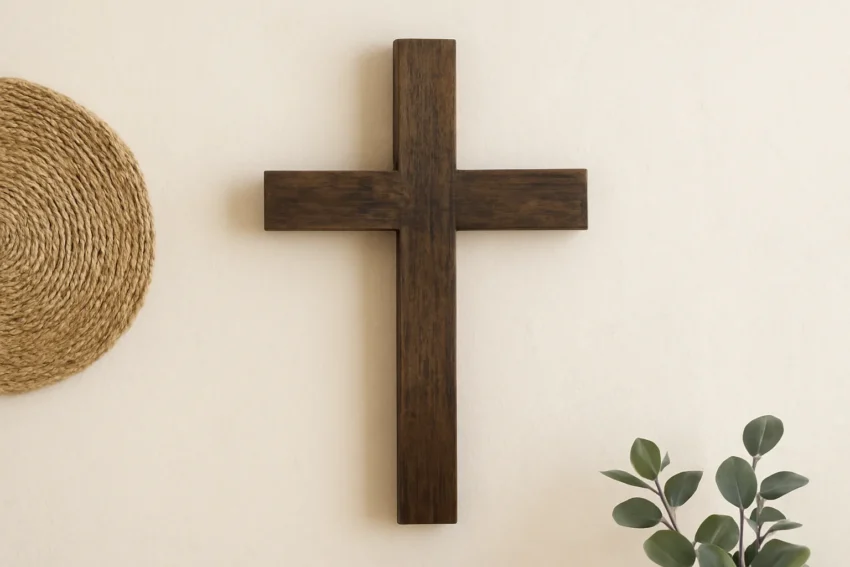
Introduction to Cross Wall Decor: Creative Ideas and Styles for Your Space
Cross wall decor has evolved far beyond simple religious symbolism to become a versatile design element that can anchor a room’s style, tell a story, and reflect personal taste. Whether you are drawn to classic cruciform silhouettes, contemporary metal silhouettes, or delicate stained-glass panels, the concept of cross wall decor offers a wealth of possibilities. In this guide, you’ll discover a wide range of cross wall art, cross wall décor, and related terms—including cross wall hangings, cross wall sculptures, and cross wall decals
Why Choose Cross Wall Decor?
There are several compelling reasons to incorporate cross wall decor into your interior design. First, it provides a focal point that can set the mood of a room—whether you favor a serene, reflective atmosphere or a bold, statement-driven aesthetic. Second, crosses can act as versatile design motifs that blend with many genres, from rustic and traditional to modern and industrial. Third, wall cross pieces can be scaled to fit a wide range of spaces, from compact apartments to expansive living areas. Finally, with the growing variety of materials and finishes—wood, metal, resin, glass, fabric, and mixed media—you can realize a look that feels both intentional and enduring.
In practice, a well-chosen piece of cross wall decor can achieve several design goals at once. It can serve as a visual anchor in a gallery wall, a thematic element in a religious or spiritual-inspired space, or a transitional accent that ties together disparate pieces by sharing a shared shape or color. When selecting a cross motif, consider the room’s scale, the existing color palette, and the level of texture you want in the surface. For many spaces, a single large cross or a curated trio of crosses can deliver a powerful effect without overwhelming the room.
Materials and Styles
Materials
- Wood – Warmth and organic texture; great for rustic, farmhouse, and coastal aesthetics. Options range from carved, relief, or painted silhouettes to reclaimed boards that add character.
- Metal – Clean lines and durability; perfect for modern, industrial, or minimalist spaces. Finishes include brushed nickel, matte black, antique bronze, and weathered steel.
- Resin and composite – Lightweight, versatile, and affordable; can be molded into intricate architectural shapes or decorative textures.
- Stained glass – Radiant color and luminous glow when backlit; ideal for sunlit spaces or entryways where light can play across the surface.
- Canvas or textile – Soft, tactile, and versatile; often used for abstract or symbolic cross designs in bohemian or contemporary interiors.
- Stone or ceramic – Substantial feel with a tactile surface; can be sculptural and artful, often found in garden rooms or entry foyers.
- Mirror and glass – Reflective elements that expand light and space; best in rooms where you want to amplify brightness or create an airier feel.
- Mixed media – A combination of several materials to achieve texture, depth, and a layered look that reads as contemporary art.
Styles
- Rustic cross wall decor – Distressed wood, natural textures, and imperfect edges convey warmth and a handcrafted vibe.
- Modern cross wall art – Minimalist silhouettes, clean lines, and often monochrome palettes for a contemporary statement.
- Industrial cross wall decor – Raw metals, exposed screws, and a utilitarian aesthetic that pairs well with brick or concrete walls.
- Vintage and antique cross decor – Ornate detailing, patina, and classic fonts evoke history and nostalgia.
- Gothic-inspired crosses – Dramatic silhouettes, intricate tracery, and dark finishes for a cathedral-like mood in media rooms or libraries.
- Minimalist cross art – Subtle forms and restrained color palettes that emphasize negative space and balance.
- Stained glass cross – Colorful panes that catch light and cast colored reflections on walls and floors.
- Cross and botanicals – Integrating floral motifs or leaf motifs with cross shapes for a softer, nature-inspired look.
- Cross mosaic and tessellations – Geometric compositions built from multiple small pieces that create an architectural feel.
- Religious and devotional cross art – Respectful, reverent interpretations that can be integrated thoughtfully into living spaces with appropriate lighting and framing.
Creative Ideas and Styles for Your Space
Cross Wall Art Ideas
- Gallery wall with a cross centerpiece: Create a curated gallery wall where a single, larger cross acts as the focal point, surrounded by complementary frames or abstract pieces that echo the cross’s lines or colors.
- Metal cross silhouettes in a hallway: Install a series of slim metal crosses at varying heights along a corridor to create a rhythmic, kinetic effect as you walk past.
- Cross and texture contrast: Pair a smooth, modern cross with a rugged textile piece or a rough brick backdrop to emphasize contrast in materials.
- Stained-glass cross as a focal window treatment: If you have a sunny window, a stained-glass cross panel can become a luminous feature that changes with the light.
- Cross mosaic panels: Build a cross out of small geometric tiles or colored glass shards for a wall sculpture that reads as both symbol and contemporary art.
- Monochrome cross wall art: A black-and-white cross in a simple frame can serve as a sophisticated anchor in a minimalist room.
- Cross decal clusters: For renters or temporary installations, vinyl cross decals in a grid or constellation pattern offer flexibility without commitment.
- Cross canvas collages: Arrange several canvas prints that echo a cross’s shape but vary in color intensity or opacity for depth.
- Cross with botanical framing: Integrate a cross piece with framed botanical prints to create a natural, serene atmosphere.
- Cultural cross motifs: Explore cross designs inspired by different cultures (e.g., Celtic knots, Greek Orthodox stylizations) for a space with global flair.
Styles by Room Type
- Living room: Large statement crosses or a gallery wall featuring cross motifs can anchor the social area and start conversations.
- Bedroom: A Gentle cross wall decor piece, perhaps in a subdued palette, can offer a sense of calm and reflection at the end of the day.
- Entryway: A bright cross panel or metallic cross sculpture near the door can set a welcoming tone and establish a theme as soon as you enter.
- Home office: Minimalist cross motifs in monochrome tones can impart focus and structure without overpowering the workspace.
- Dining room: Ceramic or glass cross elements can add a touch of elegance and color under proper lighting.
Placement, Layout, and Gallery Design
The placement of cross wall decor is crucial to achieving the desired effect. A well-planned layout can transform a simple decoration into a cohesive design statement. Here are practical guidelines and layout ideas to maximize impact.
- Measure wall space and consider the scale of the piece in relation to furniture. A large cross should be proportionate to the wall and nearby furniture to avoid appearing dwarfed or overwhelmed.
- Use a centerline plan: For a single centerpiece, place the cross at eye level (roughly 60–65 inches from the floor for most rooms) with measured distance from other elements to maintain a balanced composition.
- Gallery wall strategies:
- Create a symmetrical grid with crosses as anchors—slotted within a larger arrangement of frames with similar matting.
- Asymmetrical groupings that place a dominant cross at the center or a corner anchor can feel more contemporary.
- Leave generous negative space around each piece to prevent visual clutter.
- Spacing and alignment: If you are hanging more than one cross or a cross in combination with other shapes, align their centerlines horizontally or vertically to achieve a cohesive rhythm.
- Lighting the display: Use directed lighting—track lighting, wall washers, or picture lights—to accentuate textures and materials. Backlit glass or metal surfaces can create dramatic highlights.
- Temporary displays: For seasons or changing tastes, start with removable mounting options like picture-hanging strips or lightweight frames to experiment without wall damage.
Color, Texture, and Lighting in Cross Wall Decor
Color and texture interact dynamically with light to shape the perception of cross motifs. The right palette and illumination can elevate a piece from decorative to transformative.
- Color harmony: Choose cross pieces that echo the room’s primary colors or offer a deliberate contrast to create a focal point. For example, a charcoal cross on a pale wall adds drama, while a white-washed cross blends into a coastal palette for a soothing effect.
- Texture interplay: A rough-hewn wooden cross pairs well with smooth plaster walls; a sleek metal cross complements a glossy surface or glass accents. Textured elements contribute depth and tactile interest.
- Lighting considerations: Natural light highlights color shifts in stained-glass crosses, while accent lighting on metal pieces can emphasize lines and silhouettes. Consider warm vs. cool lighting to influence mood; warm tones tend to feel cozy and inviting, while cooler tones feel modern and crisp.
- Color-block strategy: In a space with bold color blocks, a neutral cross (black, white, or natural wood) can anchor the palette, while a color-pop cross can introduce a cohesive accent color across the room.
Care and Maintenance for Cross Wall Decor
Proper care extends the life of your cross wall decor and preserves its beauty. Different materials require different routines, so here are practical guidelines to keep your pieces in excellent condition.
- Wood: Dust regularly; avoid direct sunlight for extended periods to prevent fading. Use a soft cloth and a wood-safe cleaner if needed, and consider occasional wax or oil to maintain luster on unfinished or carved surfaces.
- Metal: Dust with a microfiber cloth; wipe fingerprints with a gentle cleaner suitable for the finish. For patina or antique finishes, avoid harsh chemicals that can strip texture.
- Glass and stained glass: Clean with a glass cleaner or a mild soap solution; use a microfiber cloth to prevent streaks. Be mindful of edges that can be sharp or vulnerable to chipping.
- Canvas and textile: Vacuum gently with a soft brush attachment; avoid direct sunlight to prevent fading. If frames are fabric-backed, check for any signs of sagging or moisture damage periodically.
- Repairs and mounting: For heavy metal or stone pieces, ensure secure wall anchors and use appropriate mounting hardware. If you move furniture, recheck wall anchors and weight support to avoid accidents.
Seasonal and Thematic Displays
Cross motifs can be refreshed seasonally or thematically without changing the entire decor. Here are ideas for adapting cross wall decor to different times of year or design themes:
- Spring/Summer: Light-colored crosses with botanical accents or pastel tones harmonize with airy interiors. Consider arrangements that emphasize renewal and growth, such as a cross centerpiece surrounded by framed botanical prints.
- Autumn/Winter: Rich woods, patinas, and deeper hues (burgundy, forest green, deep blue) create a cozy, contemplative atmosphere. Layer crosses with seasonal textiles like woven tapestries or velvet mats for warmth.
- Holiday adaptations: For Christmas or Easter displays, incorporate complementary symbols or color accents—gold or silver accents, glass ornaments, or seasonal florals that harmonize with the cross motif.
- Minimalist transformations: Swap in a single bold cross with a high-contrast frame to instantly update the feel of a room between seasons.
DIY Cross Wall Decor Projects
As a creative project, DIY cross wall decor can be both affordable and deeply personalized. Below are a few approachable ideas, with basic steps to help you get started. Always prioritize safety—use proper tools, eye protection, and secure mounting for heavier pieces.
Wooden Cross Wall Plaque
- Choose a piece of durable wood (pine, cedar, or reclaimed board) and cut to your preferred dimensions.
- Sand the surface to remove rough edges and create a smooth base for painting or staining.
- Apply a base coat of paint or stain; allow to dry completely.
- Paint or carve the cross design onto the wood; finish with a sealant to protect the surface.
- Attach a hanging hardware (D-rings or a picture wire) and mount on the wall at the desired height.
Metal Cross Silhouette
- Source a flat metal sheet (aluminum or steel) and design a cross silhouette. If you’re not comfortable cutting metal yourself, have it laser-cut or purchase a pre-cut piece.
- Finish with powder coating or brushed paint to prevent corrosion and add a contemporary sheen.
- Mount with wall anchors suitable for metal pieces; consider a small profile shelf to give the piece a floating appearance.
Stained Glass Cross Panel
- Acquire or assemble colored glass pieces in your chosen palette and cut them to fit a cross-shaped frame.
- Use copper foil and solder to assemble the stained-glass panel; seal the edges and reinforce the frame.
- Install with adjustable hardware to allow for slight leveling adjustments as needed during installation.
Buying Guide: What to Look for in Cross Wall Decor
Shopping for cross wall decor involves balancing stylistic preferences with practical considerations. Here are key factors to help you choose pieces that fit your space and budget.
- Scale and proportion: Consider the wall size and the room’s furniture layout. A large, dramatic cross can serve as a focal point, while smaller pieces work best as part of a curated display.
- Material durability: For high-traffic areas or homes with children, opt for durable materials (metal, solid wood, tempered glass) and secure mounting hardware.
- Finish and maintenance: Matte finishes stay timeless longer than high-gloss surfaces, which can reflect room lighting more aggressively. Choose finishes that align with other metals or woods in the room for cohesion.
- Color coordination: If the space has bold color blocks or patterns, a neutral cross can provide balance. Conversely, color-forward crosses can become a highlight that pulls the palette together.
- Theme compatibility: Ensure the chosen cross motif supports the room’s overall theme—rustic, modern, bohemian, traditional, or transitional—and does not clash with existing decor.
- Installation considerations: Heavy pieces require wall studs, anchors, or brackets. If you’re renting or prefer temporary arrangements, look for lightweight options or ready-made hanging solutions.
- Budget ranges: You can find cost-effective options like decals or canvas prints, mid-range pieces in wood or metal, and premium options in stained glass or hand-forged metal with intricate details.
Safety, Accessibility, and Considerations for All Spaces
Cross wall decor should enhance spaces without compromising safety or accessibility. Here are practical considerations to keep in mind, especially in homes with children, pets, or accessibility needs.
- Secure mounting: Use hardware rated for the wall type (drywall, plaster, masonry) and the weight of the piece. For heavy items, locate wall studs and use anchors rated for high load.
- Height and reach: Place crosses at accessible heights for daily use and cleaning. In rooms used by children or elders, avoid high placements that are difficult to reach or could become hazards.
- Edge safety: If you have restless pets or curious toddlers, ensure there are no sharp corners or protruding hardware that could cause injury. Consider framed pieces with rounded edges or soft padding near the wall.
- Cleaning and maintenance: Dust regularly; avoid abrasive cleaners that could scratch metal or glass surfaces. For stained glass, use gentle glass cleaners and wipe with a microfiber cloth.
- Energy efficiency and lighting: If you rely on artificial lighting, choose fixtures that deliver even illumination without glare. Indirect lighting or wall washers can highlight the texture without creating harsh reflections on glossy surfaces.
- Alterations over time: If you frequently update decor, use modular or lightweight cross pieces that can be rearranged easily without heavy wall modifications.
Cross Wall Decor as a Personal Narrative
Beyond aesthetics, cross wall decor can serve as a narrative element in your home, expressing beliefs, memories, or cultural heritage. A thoughtfully chosen cross piece—whether it’s a family heirloom, a handcrafted souvenir from travels, or a modern art interpretation—can become a touchstone in a room. To ensure this narrative lands well, consider pairing your cross with contextual items such as:
- Found objects or keepsakes
- Corresponding textual quotes or inscriptions in frames
- Related symbols (e.g., gentle geometric motifs, nature-inspired elements, or local artisan crafts)
- Complementary artworks that share a common color family or texture
Cross Wall Decor Variations: A Semantic Glossary
To expand your vocabulary for describing and selecting pieces, here is a short semantic glossary that uses variations of the term cross wall decor:
- Cross wall art — Emphasizes artistic representations and aesthetic interpretation.
- Cross wall décor — Broad term covering any wall-mounted cross element, including functional pieces.
- Cross wall hangings — Often textile or lightweight decorative items designed to hang on walls.
- Cross wall sculptures — Three-dimensional, sculptural forms with depth and volume.
- Cross wall decals — Temporary vinyl decals suitable for renters and seasonal styling.
- Cross mosaic panels — Feature small tiles arranged to form a cross motif, offering artistic texture.
- Cross silhouette panels — Minimalist shapes that emphasize the outline and negative space.
- Stained glass cross panels — Translucent glass elements that interact with light for a luminous effect.
- Cruciform wall accents — Architectural or historical phrasing for traditional or ecclesiastical contexts.
Conclusion: Crafting a Space That Feels Like You
In the end, the best cross wall decor is the one that resonates with your space, fits your lifestyle, and tells your personal story. Whether you lean toward bold, metallic cross wall sculptures that punctuate a modern living room, or toward warm, wooden cross wall art that invites quiet reflection in a bedroom, the choices are abundant. Use the guidance here to assess your wall, select materials that align with your existing furniture and finishes, and experiment with layout until you achieve a balance that feels intentional and inviting. The beauty of cross-inspired wall decor lies in its flexibility: it can be a single, striking focal point or part of a curated, meaningful gallery that evolves with your tastes. No matter which path you choose, you can create a space that is both visually captivating and personally meaningful through thoughtful selection, placement, and care of your cross-themed wall pieces.