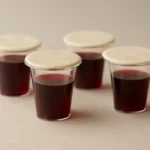
The communion cup and the vessels that accompany it have a long and varied history within Christian worship. Across denominations and cultures, churches have used a range of vessels to contain the elements of the Eucharist, most often wine or grape juice, and sometimes bread or wine are dipped or poured from a central vessel. This article explores the types of communion cups, the care and maintenance they require, and the etiquette that ideally guides their use in contemporary worship settings. Whether you are part of a cathedral, a small rural congregation, or a multi-site ministry, understanding the nuances of the communion cup helps ensure that the service remains dignified, safe, and spiritually meaningful for all participants.
The communion cup is more than a practical container. In many liturgical traditions, it represents a sacred symbol of the covenant between God and the faithful, a visible sign of unity among the congregation, and a tangible means by which believers partake in the bread and the cup. The precise form of the cup—its shape, material, and ornamentation—often reflects theological emphases, historical heritage, and local customs. For clergy and lay ministers, the way the cup is presented, distributed, and returned carries ecclesial meaning. In addition, the careful handling of the cup can communicate respect for the sacred act, attention to hospitality, and concern for the health and safety of those who participate.
Varieties of the Communion Cup
There are several terms commonly used to describe the cup and its related vessels. While the traditional word chalice is often used in more formal settings, cup and goblet appear in different liturgical languages and denominational traditions. The variations you encounter can be grouped by purpose, formality, and functionality. Below are the major categories and the typical contexts in which they are employed:
Terminology and Distinctions
Understanding the lexical landscape helps volunteers and priests communicate clearly during preparation and service. The following terms are frequently used interchangeably in casual speech, but they may imply subtle differences in form or usage:
Chalice — A tall, stemmed cup, often made of metal, associated with liturgical symbolism and tradition.
Communion cup — A broader term that can refer to a single-serving cup or a central vessel used for the distribution of the elements.
Goblet — An archaic or ceremonial term that resembles the chalice in shape but is sometimes used in historic or ceremonial contexts.
Cup — A general term that encompasses a wide range of vessels used in distribution, including modern plastic or glass models.
Wine cup / Grapes cup — Descriptive terms indicating the beverage held within the vessel, commonly used when referencing the materials or ritual practices.
Liturgical vessel — A broader category that includes cups, chalices, patens, flags, and other ceremonial containers used in worship.
Common Variants in Use
Churches today frequently employ a mix of vessels to support different liturgical practices. The following options represent common configurations:
Single-use disposable cups — Small, prefilled, and designed for a quick, hygienic distribution. Often used in high-turnover settings or in outreach events where sanitation is a priority.
Reusable cups made of metal — The traditional silver chalice or pewter goblet, chosen for their durability, beauty, and symbolic resonance.
Reusable cups made of glass or crystal — Clear or colored glass or crystal vessels that enhance visibility of the communion elements and the ritual’s solemnity.
Plastic or acrylic cups — Lightweight, shatterproof options that are practical for children’s services or outdoor liturgies.
Ceramic or stoneware cups — Durable and tactile, often chosen for their warmth and rustic charm.
Custom-engraved or decorative cups — Vessels featuring symbolic inscriptions, church logos, or liturgical motifs to emphasize identity and heritage.
Materials and Design
Material choice influences aesthetics, maintenance, and safety. Denominations and churches may prefer certain materials for theological, historical, or practical reasons. Here are some common materials and what they imply:
Metal (silver, gilded silver, pewter, stainless steel) — Durable, reflective, and often signifying reverence; metals may require polishing and care to prevent tarnish.
Glass — Enables visibility of the contents; elegant and traditional, but more fragile and requiring careful handling.
Crystal — Highly decorative and luminous, often used for formal services; requires delicate care to avoid chips or scratches.
Ceramic / Earthenware — Warm, earthy texture; can be decorated and personalized but may be heavier or more fragile than metal or plastic.
Plastic / Acrylic — Lightweight and economical; suitable for large gatherings, safety in routine use, and portable worship locations.
Specialized Design Features
Some cups incorporate features that assist with the ritual and logistics of distribution. Consider the following:
Rim shape and pouring lip — Influences ease of drinking and the rate at which the liquid can be consumed without spilling.
Size and capacity — Ranges from small, single-serving cups to larger vessels used for shared distribution early in the service.
Engravings and iconography — May depict crosses, doves, or scriptural verses, reinforcing theology and devotion.
Handles — Some cups include handles for ergonomic handling, particularly in formal settings or for those with limited grip strength.
Surface treatment — Polished finishes, matte textures, or lacquered coatings can affect grip, cleaning, and wear patterns over time.
Single-use vs Reusable Cups: Pros, Cons, and Best Practices
Churches must balance practicality, budget, and liturgical intention when choosing between single-use and reusable communion vessels. Each approach has distinct advantages and considerations.
Single-use Disposable Cups
Disposable cups offer several advantages, especially in large or outreach contexts. They can simplify cleanup, minimize cross-contamination concerns, and accommodate a high volume of participants. However, they require careful procurement to ensure quality and religious propriety, and they may produce more waste. Consider the following when using disposables:
Hygiene and safety — Prefilled cups eliminate touching the liquid, which can reduce contamination risks.
Logistics — Pre-filling or single-serving arrangements can streamline the flow of distribution during services.
Waste management — Plan for proper disposal and minimize environmental impact; consider biodegradable options when possible.
Consistency — Ensure that the beverage is appropriate for all participants (non-alcoholic options if required) and clearly labeled.
Reusable Cups
Reusable vessels foster a sense of reverence and continuity, aligning with traditional worship practices. They require ongoing care but can last for years with proper maintenance. Key considerations include:
Adequate cleaning — After each use, cups must be thoroughly cleaned and sanitized according to local health guidelines and church policy.
Storage and handling — Store in a designated area that protects from damage and ensures readiness for worship services.
Durability and wear — Regular inspection for dents, cracks, or tarnish helps prevent accidents during distribution.
Ecclesial symbolism — The beauty or simplicity of the vessel can reflect theological emphasis and the culture of the congregation.
Care and Cleaning: Keeping Communion Cups Fit for Worship
Care and cleaning are essential elements of the liturgical life surrounding the communion cup. Proper maintenance preserves the integrity of the vessel, safeguards health, and preserves a sense of reverence. The care regime includes daily routines, periodic deep cleaning, and safe storage practices.
Daily Cleaning Routine
Most churches implement a standard daily routine for reusable cups, with the following elements:
Rinse immediately after use to prevent dried residue and staining. For wine, rust-free metals and glass may be rinsed with warm water before washing.
Wash with mild detergent and a non-abrasive sponge or cloth to avoid scratching finishes.
Rinse thoroughly to remove all soap residue, which could alter taste during future services or cause irritation.
Sanitize periodically according to local health guidelines or church policy, using appropriate sanitizing agents that are food-safe and compatible with the vessel’s material.
Dry completely before storing to prevent moisture-related issues such as corrosion, tarnish, or mold in cases of porous ceramics.
Deep Cleaning and Sanitizing
Periodic deep cleaning is vital, especially for vessels that are used frequently or in ministries with high attendance. Steps may include:
Soaking in a solution recommended for the material (e.g., silver polish for metal; vinegar or specialized glass cleaners for glass) to remove tarnish or mineral deposits.
Mechanical cleaning with brushes designed for the vessel’s shape to remove insider residues that are not accessible by simple rinsing.
Rinsing and air-drying in a clean, dust-free environment to prevent recontamination.
Inspection for cracks, pitting, or chips that could compromise safety or aesthetics during worship.
What to Avoid
Some practices can damage vessels or undermine the intended dignity of the sacrament. Common cautions include:
Avoid abrasive cleaners that scratch surfaces or remove delicate finishes.
Avoid harsh chemical solvents that can leave residues or react with the material.
Avoid stacking or tight storage that could cause chipping or breakage during handling.
Avoid sharp or quick movements that might cause spills during service or transport.
Storage and Transport
Proper storage and secure transport help preserve the cup’s integrity and ensure readiness for worship. Consider the following guidance:
Dedicated storage area that is clean, dry, and protected from dust and humidity.
Protective padding or racks to prevent contact between vessels, reducing the risk of scratches or chips.
Secure transport cases for outreach events or multi-site services, with compartments to prevent movement during movement.
Labeling to indicate contents, particularly in settings using a mix of beverages (wine, grape juice) or special dietary accommodations.
During the Service: Handling, Distribution, and Etiquette
The moment of communion involves careful choreography. The handling of the cup, the distribution method, and the overall etiquette should reflect reverence, order, and care for every participant. Churches may adopt one or more distribution models depending on tradition, space, and community needs.
Pre-Service Preparation
Before worship begins, consider the following preparation steps to ensure a smooth and dignified ritual:
Check inventory of cups, purifications, linens, and cloths used for wiping spills or cleansing rims.
Arrange volunteers or choir members in positions that align with the service flow and safety considerations, ensuring clear sightlines and minimal congestion.
Test accessibility for wheelchair users and those with mobility challenges to ensure they can participate without obstruction.
Communicate protocol to the congregation, including any variations such as the possibility of taking the elements in one’s seat or in a line.
Processional Handling
During the procession, those serving the cups should observe a steady tempo and clear lines of communication. Consider these practices:
Use two-handed grip when presenting or receiving a cup, maintaining a calm and respectful posture.
Eye contact and gentle speech can reinforce reverence, for example, offering a quiet blessing or a simple greeting as cups pass.
Spill prevention — Keep the cup level and avoid tilting at excessive angles to prevent accidental spills.
Queue management — If there is a long line, designate a clear path that minimizes crowding and ensures accessibility for all participants.
How participants receive the cups and where they place them after drinking are important aspects of etiquette. Guidance commonly observed includes:
Receiving with dignity — Individuals approach with a posture of humility and gratitude; cups are accepted with both hands in some traditions, or with one hand while the other supports the arm.
Drinking posture — Drink slowly and mindfully, then place the cup on the designated space or rack (if a single-serve option) or return it to the line in a controlled manner.
Single-use cup etiquette — If using disposable cups, participants should not attempt to reuse or exchange cups; respect the service’s intended flow.
Shared cup etiquette — If a single shared cup is used, decorum and hygiene norms (such as sanitizer before and after handling) should guide practice to minimize risk and maintain reverence.
Intinction and the Cup
Some churches practice intinction—dipping the bread into the wine or juice before consumption. In contexts where a shared cup is used in conjunction with intinction, several care points apply:
Maintain separate utensils for dipping and portioning to avoid cross-contamination.
Communicate clearly about whether intinction is offered and how participants should receive components to uphold dignity for all worshippers.
sanitize dips and surfaces to mitigate any residue that could attract dust or cause staining.
Distribution Protocols and Variations
There is no single universal method for distributing the elements; churches tailor their approach to tradition, space, and pastoral priorities. Here are common distribution models and the practices that accompany them:
Common Cup Distribution Models
One-cup sequence — A single cup is passed along the pews; participants take a sip or receive the poured element while volunteers control the flow. This model emphasizes unity and continuity but requires strict hygiene and a well-rehearsed process to prevent spills or crowding.
Multiple-cup line — A line of cups is prepared, sometimes with multiple stations (e.g., front, middle, back) to minimize crowding. This approach can reduce congestion but may require more volunteers and careful counting to ensure the right number of cups is available.
Individual prefilled cups — Pre-filled cups arranged in a tray or on a table are distributed by volunteers. This method is efficient for large congregations and enhances sanitation, especially when non-alcoholic options are preferred or mandated.
Intinction line — If intinction is practiced, a separate process may involve a designated server who offers the bread or wafer for dipping into a shared cup or a mini-cup of wine/juice. This model emphasizes symbolic action and reverence, with clear guidance to avoid spillage.
Practical Considerations for Each Model
Accessibility — Ensure that the distribution model accommodates mobility-impaired worshippers, families with small children, and visitors who may not be familiar with the process.
Sanitation — When using shared cups, implement hygienic protocols such as sanitizing hands before distribution and having wipes or sanitizing stations nearby.
Policy alignment — Some denominations require non-alcoholic beverages or gluten-free options; align cup and beverage choices with doctrinal guidelines and local health regulations.
Volunteer training — Regular rehearsals help volunteers understand timing, handling, and the flow of the service to reduce mistakes and accidents during busy moments.
Health, Safety, and Accessibility Considerations
In modern church life, health and safety concerns are a central part of planning for the communion ritual. Accessibility considerations ensure that all members of the community can participate with dignity, regardless of age, mobility, or dietary needs. This section surveys the core concerns and practical steps to address them.
Health and Dietary Precautions
Several factors influence beverage choices and vessel handling. Churches may address these through policy and practice:
Alcohol considerations — Some congregants abstain from alcohol for personal, health, or religious reasons. Providing non-alcoholic grape juice or water-based alternatives alongside wine preserves inclusivity.
Gluten and dietary concerns — If bread is integral to the sacrament, consider gluten-free options or communion in forms that reduce gluten exposure for sensitive individuals.
Allergies and sensitivities — Be mindful of cross-contact risks when handling shared cups or dipping elements; provide clear labeling of beverages and facilitate private reception for those with sensitivities as needed.
Safety and Practical Safety Measures
To avoid accidents during a crowded service, implement safety-centric practices:
Non-slip surfaces around the distribution area to reduce the risk of spills when cups are set down or handed off.
Spill kits or cloths readily available for immediate response to minor spills.
Clear floor markings or signage to guide movement, especially in aisles and near the communion table.
Volunteer training on how to assist children, elderly worshippers, and visitors in a respectful and helpful manner.
Accessibility and Inclusion
Ensuring access for all participants is a hallmark of hospitable worship. Consider these measures:
Seating options that facilitate easy access to the distribution area for those with mobility challenges.
Assistance for families with small children, such as offering a parent-friendly flow and child-appropriate methods for receiving the cup or bread.
Quiet spaces or seating that allows prayerful participation for those who prefer to observe rather than partake in a busy mass.
Etiquette for Clergy, Lay Ministers, and Congregation
Etiquette for the communion ritual extends beyond proper handling of vessels; it encompasses posture, language, and behavior that reflect reverence, unity, and hospitality. The following guidelines are intended to reinforce dignity while remaining pastoral and accessible to diverse congregations.
Model reverence by approaching the table with calm, deliberate movements and intentional speech.
Explain actions briefly when appropriate (for example, clarifying the manner in which participants receive the elements or what to do with the cup after drinking).
Maintain a unified tone during distribution to avoid confusion or disorder among the congregation.
Protect confidentiality and dignity by avoiding attention-seeking behavior and focusing on the sacred act rather than personal display.
Volunteer and Service Teams
Training and rehearsal ensure that volunteers understand the flow, timing, and safety considerations of the service.
Communication — Use clear, respectful language when addressing participants and guiding them through the process.
Handling with care — Treat each cup with care; avoid rough handling that could lead to spills or damage.
Inclusivity — Encourage participation from all generations and backgrounds; offer clear assistance where needed.
Congregation and Participants
Respect for the ritual — Observe the moments of prayer, reflection, and receipt of the elements with attention and humility.
Order and patience — Accept the pace of the service and follow the instructions of the leaders to avoid crowding or confusion.
Personal conduct — Refrain from disruptive talking, running, or distracting behavior during the distribution and consumption of the elements.
Active participation — Engage in the ritual as a meaningful act of worship, even if you are a first-time attendee.
Maintaining Relevance in Modern Worship
As churches navigate changing demographics, health considerations, and environmental concerns, the communion cup remains a focal point where tradition can meet reform. Churches can maintain relevance by balancing continuity with adaptation and by communicating transparently with their congregations about the purpose, process, and care involved in the sacrament.
Ecumenical Sensitivity
Different Christian traditions approach the cup in varied ways. Some emphasize shared practice across denominations, while others preserve distinct rites. Respectful dialogue among clergy and lay leaders can help create a unified approach when possible, or clearly delineate differences when necessary:
Visibility of unity — Even when differences exist, the act of communion can symbolize the larger Christian unity in the body of Christ, a message that resonates across communities.
Respect for tradition — Honor the liturgical heritage of each congregation, allowing for appropriate variations that reflect doctrinal beliefs.
Health-aware inclusivity — Adopting beverage options that accommodate a range of dietary needs demonstrates care for all worshippers.
Environmental and Economic Considerations
Modern churches increasingly weigh environmental impact and cost when choosing between disposables and durable vessels:
Waste reduction — If disposables are used, opting for recyclable or compostable options reduces environmental impact.
Durability and lifecycle cost — Reusable vessels may have higher upfront costs but lower ongoing expenses and less waste over time.
Maintenance investments — Ongoing cleaning, sanitizing, and storage needs are critical factors in the long-term viability of reusable options.
Practical Guidelines for Churches: Implementing a Thoughtful Communion Cup Program
Whether a church is reorganizing its sacramental practices, renovating its worship space, or starting a new outreach program, practical guidelines help ensure a thoughtful approach to the communion cup that honors tradition while addressing current needs.
Policy and Governance
Develop clear policies that address beverage choices, vessel maintenance, distribution methods, health and safety standards, and accessibility commitments. Consider these components:
Written policy outlining the standard practice for the cup and beverage used, including exceptions for pastoral or medical reasons.
Volunteer roles defined for each service and campus, with contact persons for safety concerns.
Audit and review schedule to assess the effectiveness of the chosen model and to update policies as needed.
Training and Education
Provide ongoing education for clergy, ushers, and other volunteers on the theological meaning of the sacrament, as well as the practical steps necessary for safe and respectful distribution:
Regular training sessions that cover hygiene standards, safe handling techniques, and emergency procedures.
Orientation for new members and visitors explaining the flow of the service and their role in it.
Seasonal refreshers to revisit etiquette, especially during holidays or special services with higher attendance.
In congregational life, the communion cup embodies more than a container; it is a conduit for community, reverence, and spiritual nourishment. By understanding the types, maintaining the care, and practicing thoughtful etiquette, churches can sustain a sacramental practice that honors tradition while embracing the realities of modern worship. Whether your context favors a classic chalice of metal and glass, a modern plastic cup, or a mixed approach with prefilled options, the ultimate aim is to support meaningful participation, ensure safety and accessibility for all worshippers, and preserve the dignity of the rite in every season. In the end, the community that gathers around the table is strengthened not by the vessel alone, but by the shared act of communion—the visible sign of grace that unites believers in faith, hope, and love.