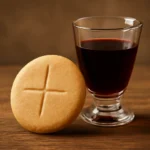
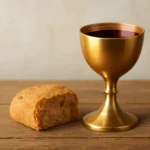
Introduction: The Essential Role of Wine in Church Ceremonies
Across centuries and continents, wine has carried a deep symbolic weight in Christian worship. In many liturgical traditions, the beverage that some simply call “wine” is more than a ceremonial drink; it is a sacred symbol that embodies life, covenant, and the mystery of the Eucharist. This article is the essential guide to understanding church wine, a category that encompasses sacramental wine, altar wine, liturgical wine, and other variations used in commemoration, blessing, and consecration. Whether you are a church leader seeking practical guidance, a student of liturgy exploring the theological layers, or a layperson curious about the traditions your parish upholds, this guide aims to illuminate the purpose, history, and practicalities of wine in church ceremonies.
The subject is not merely about choosing a bottle; it is about understanding the rules that govern its production, the spiritual meanings attached to it, and the ways in which a parish can responsibly steward a substance that is both ordinary and extraordinary. In many churches, the wine is a sign that unites the earthly with the divine—an ordinary grape-derived product that becomes extraordinary through blessing, prayer, and sacramental action. Read on to discover how different traditions treat this tangible element, what standards apply, and how communities navigate modern concerns while preserving ancient reverence.
What is sacramental wine? Definitions, scope, and essential characteristics
The term sacramental wine is widely used to describe the wine used in the Eucharist or Holy Communion. In practice, this wine is the real wine—the natural product of grapes—whose purpose is to accompany the consecration and distribution of the Eucharist. It is not merely a symbol; it is the vehicle through which a central mystery of faith is celebrated in a tangible way.
Key definitions and related terms
Sacramental wine — the wine prepared for and used in sacramental action during the liturgy, especially the celebration of the Eucharist or Mass.
Altar wine — a term used in many parishes to refer to the wine kept for use at the altar during services.
Liturgical wine — wine used within the liturgical rites of a denomination, often sharing the same practical requirements as sacramental wine.
Congregational wine — a broader descriptor for wine used in shared ceremonies within a local church community.
Consecrated wine — wine that has been blessed through liturgical prayer and the sacramental action, becoming, in effect, the sign that participates in the mystery served in the rite.
Eucharistic wine — another common term for the wine that accompanies the consecration of the Eucharist in Catholic, Orthodox, Anglican, and some Protestant traditions.
Characteristics that matter in practice
Natural grape wine — in most traditions, sacramental wine must be made from grapes with no artificial alcohol or distilled spirits added, and usually without carbonation.
Pure and unadulterated — the wine should be free from additives that would alter its nature or exceed what is considered appropriate for sacred use, depending on denomination rules.
Consistency with liturgical needs — the wine’s alcohol content, flavor profile, and appearance must be suitable for use in the rite and for the distribution to the faithful.
Respect for tradition and law — various churches regulate production, sourcing, and handling to ensure reverence and safety in the sacramental context.
A brief historical overview: how church wine has evolved
The use of wine in Christian worship stretches back to the earliest church communities. The Gospels depict the Last Supper as a shared Passover meal with wine, and early Christian worship gradually formalized around a ritually structured celebration that included wine as a central element. As centuries passed, regional practices, theological emphasis, and civil laws shaped how church wine was produced, blessed, and distributed. This historical arc reveals a few enduring patterns:
Early Christian practice and apostolic foundations
In the first centuries, wine was a common element in meals and in the community’s prayer life. It signified blessing, unity, and the presence of Christ among the faithful. The practice of blessing bread and wine at the Lord’s Supper crystallized into a liturgical system that would be refined over time.
During the Middle Ages, monasteries became centers of wine production, viticulture, and liturgical discipline. Monastic vintners advanced techniques for preserving wine, preventing spoilage, and ensuring a steady supply for chapels and churches. The altar wine often came from regional vineyards with established reputations for reliability and purity.
Reformation and liturgical diversification
The Reformation era brought diverse approaches to the Eucharist, which in turn affected the use and regulation of church wine. While some communities emphasized the symbolic interpretation of the elements, others maintained a sacramental understanding that required sacramental wine to be produced under certain theological and practical conditions. Variations by region produced a rich tapestry of practice in the modern era.
Modern era: regulation, safety, and ecumenical dialogue
In contemporary churches, discussions about acceptable grape varieties, production methods, and labeling practices reflect concerns about safety, allergy awareness, and dietary restrictions. Ecumenical dialogue has also fostered shared understandings about the essential purpose of the wine in liturgy, even as individual denominations maintain distinct canonical and liturgical rules.
Denominational practices: how different traditions treat church wine
While the core meaning of the wine remains consistent—the sign of Christ’s presence and the vehicle of a sacred action—the practical rules and cultural norms vary. Below is a concise survey of several major traditions, highlighting how they define, source, bless, and administer sacramental, altar, or liturgical wine.
Catholic Church: canonical requirements and sacramental integrity
In the Catholic Church, the wine used for the celebration of the Eucharist must be natural grape wine and is required to be used as the proper matter of the sacrament. The Code of Canon Law emphasizes that the wine should be unmixed with other substances (except water, which is normally added during the sacramental action in some liturgical contexts) and should come from grapes. The wine is consecrated by the priest and becomes, in the sense of the rite, the Blood of Christ as Christians commemorate the Last Supper.
Practical considerations include:
Choosing a consistently produced wine to avoid changes in taste or color during a celebration.
Storing it in appropriate vessels and ensuring that the wine is not exposed to contamination.
Providing non-alcoholic alternatives for those who abstain or require them for health reasons, while recognizing that non-alcoholic substitutes are not used for the sacramental matter itself in Catholic theology.
Orthodox Church: wine, water, and the divine mystery
In Orthodox liturgy, the wine is typically mixed with water before the celebration of the Eucharist. This practice symbolizes the offering of both wine and water by Christ and emphasizes the mystery of the Incarnation. The wine used is often grape wine with a simple water mix, prepared in a way that honors the liturgical calendar and fasting requirements.
Important considerations include:
A purity of ingredients and a reverent approach to handling during the divine services.
Respect for fasting rules that may affect consumption and distribution of the wine during certain liturgical seasons.
Assurance that the wine remains fit for sacramental use throughout the liturgical year.
Anglican and Episcopalian traditions: flexibility with reverence
The Anglican family often preserves the language of sacramental wine while allowing for practical variations. In many parishes, altar wine is treated with a balance of liturgical precision and pastoral care. Some communities offer non-alcoholic wine substitutes for communicants who cannot partake of alcohol; in other settings, privileges and restrictions regarding communion in the vernacular may shape how the wine is distributed.
Lutheran and Reformed churches: a both/and approach
Lutheran and Reformed communities typically maintain that the wine is the real sacramental element in the Eucharist, though the precise rules regarding production and distribution may differ by synod or diocese. Variations exist in how strictly the wine must be traditional, and many churches provide options for those who cannot consume alcohol.
Methodist, Pentecostal, and other Protestant expressions
Many Protestant communities embrace high doctrinal regard for the sacrament while allowing practical accommodations. The central idea remains the commemoration of Christ’s sacrifice, with the wine acting as a sign of the new covenant. In some contexts, juice or a non-alcoholic substitute is used for health, safety, or inclusion reasons, though this may be framed as a separate rite or a practical adaptation rather than a sacramental matter in certain traditions.
Production, sourcing, and preparation: practical guidelines for churches
The journey from grape to altar wine involves careful choices about sourcing, production, and handling. Here are the core considerations churches commonly undertake to ensure quality, safety, and reverence.
Choosing the right wine: what to look for
Grape varietals commonly used in sacramental wine include traditional table grapes and varieties with stable flavor profiles. Some traditions prefer standard table wine that is widely available and reliable.
Alcohol content is typically within standard table wine ranges; extremely high-alcohol wines are generally avoided for liturgical stability.
Consistency year to year to avoid abrupt changes in taste that might distract during the liturgy.
Where to source: domestic production, monastic concerns, and ecumenical options
Local wineries, especially those with a history of supplying church communities, can provide purpose-built bottlings labeled for sacramental use.
Monastic vineyards and religious communities often produce sacramental wine in quantities appropriate for parishes, sometimes with a focus on artisan or traditional methods.
Commercially produced sacramental wine products exist, designed to meet canonical and liturgical standards for a range of denominations.
Store in a cool, stable environment away from sunlight to preserve flavor and prevent spoilage.
Keep a dedicated, clearly labeled supply for liturgical use to avoid cross-contamination with ordinary beverages.
Ensure clean handling practices by clergy or designated volunteers during distribution and after-use cleansing of vessels.
Vessels and ritual vessels
Chalice, paten, and other liturgical vessels should be appropriate for sacred use, often crafted to reflect the dignity of the rite.
Special care is given to cleanliness, sacred temperance, and the proper sequence of actions in the rite.
Storage, handling, and liturgical preparation: best practices for parishes
The way wine is stored and prepared for liturgical use is as important as the wine’s origin. Proper handling respects the sacred nature of the rite and ensures safety for all participants.
Vessels, cleanliness, and ritual purity
Vessels should be cleaned and blessed in accordance with the parish’s liturgical norms and the denomination’s guidance on sacramental matter.
Only trained altar servers or clergy should handle the wine and related vessels during the service to prevent contamination.
Scheduling and coordination
Coordinate supply with events in the liturgical calendar to ensure enough wine for services during feast days and special occasions.
Plan for supply shortages by securing a reserve bottle or two, if allowed by church policy, while maintaining reverence for the sacramental purpose.
Health and allergy considerations
Provide clear guidance about alcohol content for those with sensitivity, medical restrictions, or personal conscience considerations.
Where appropriate, offer a non-alcoholic alternative or arrange for a separate sacramental practice compliant with local regulations and denominational norms.
Non-alcoholic options and pastoral care: honoring conscience and inclusion
In today’s religious communities, inclusivity and pastoral care increasingly shape the way churches handle wine in the liturgy. Many parishes offer non-alcoholic wine substitutes or grape juice as part of the Communion rite, ensuring that all members can participate in a manner consistent with their health, age, or personal beliefs.
It is important to recognize that the use of grape juice or other substitutes is a pastoral decision that may be interpreted differently across denominations. Some traditions continue to emphasize that the sacramental matter remains wine, while others explicitly provide alternatives for those who cannot partake of alcoholic beverages. In any case, the guiding principles include reverence for the rite, clarity in teaching, and sensitivity to the community’s needs.
Practical considerations for church leaders: a checklist for responsible practice
If you are responsible for a parish’s liturgical life, consider the following practical steps to ensure the proper use of sacramental wine and the smooth running of services.
Clarify doctrinal requirements with your diocesan authorities or denominational guidelines to ensure compliance with canonical law and liturgical norms.
Select a reliable supplier who understands the sacred nature of the wine and can provide consistent quality.
Train volunteers who handle the wine, vessels, and distribution to maintain safety and reverence during the rite.
Establish a policy for non-alcoholic options and communicate it clearly to the congregation.
Regularly review storage and inventory to prevent spoilage and ensure readiness for every service.
Wine in the liturgy: symbolism, theology, and spiritual meaning
The use of community wine in worship is rich with symbolism. It represents both the fruit of the earth and the transformative grace of God. In many traditions, the act of partaking of the wine during the Eucharist points to the new covenant established by Christ and invites believers into communion with one another and with God.
Theologically, the wine is often described as a sign that mediates grace. Although different churches vary in how they articulate the exact mechanism by which the sacrament works, the prevailing view is that the ritual action—blessing, consecrating, and distributing the wine—channels divine grace to the faithful in a unique, sacramental way.
Liturgical variations: how wine use differs across rites and rites of passage
Beyond the basic use in the Eucharist, wine also plays roles in other rites and celebrations. Some traditions may bless wine for home use during certain feasts; others may incorporate wine into rites of passage such as weddings, ordinations, or the blessing of a church building, though these uses are distinct from the sacramental act of the Eucharist.
Rites of blessing and consecration outside the Eucharist
In some communities, wine can be blessed for holiday services or for the blessing of households and clergy, often following the liturgical calendar and local custom. While not part of the sacrament, these blessings reinforce the association between wine and sacred time, memory, and thanksgiving.
Common questions: an FAQ about church wine
Is sacramental wine always alcoholic?
Yes, in most traditions, sacramental wine is alcoholic grape wine. Some denominations provide separate non-alcoholic options for communicants who cannot consume alcohol, but these substitutes may be used in specific contexts or as part of pastoral policy.
Can the wine be made from fruit other than grapes?
Traditionally, sacramental wine is made from grapes. Some communities explore grape blends or variations for practical reasons, but the canonical and liturgical norms generally require grape wine.
What about the safety and allergy concerns?
Parishes often have policies to address allergies or sensitivities. Clear labeling, alternatives, and careful distribution help ensure safety while preserving reverence for the rite.
What happens to the remaining wine after the service?
Remaining sacramental wine is treated with care according to liturgical norms. In some traditions, wine may be reserved for future services, while in others it may be poured out in a respectful manner under the guidance of clergy.
How should wine be stored in a parish facility?
Wine should be stored in a cool, dry place away from direct sunlight and heat sources, using dedicated containers and labeled storage spaces to ensure separation from regular beverages.
Glossary: key terms related to church wine
Sacramental wine
The wine used in the sacrament of the Eucharist in many Christian traditions.
Altar wine
The wine stored for use at the church altar during services.
Liturgical wine
Wine used in liturgical rites across denominations.
Consecrated wine
Wine that has been blessed and becomes part of the sacramental action.
Eucharistic wine
Another term for sacramental wine in the context of the Eucharist.
Conclusion: embracing reverence, responsibility, and unity through wine
Church wine sits at the crossroads of tradition and pastoral care. It carries centuries of symbolism and theological depth, yet it must be handled with practical wisdom in every parish. By honoring canonical requirements, ensuring safety, and remaining attentive to the diverse needs of a modern congregation, churches can sustain a practice that is both meaningful and sustainable. Whether your tradition emphasizes a strict sacramental understanding or offers flexible pastoral accommodations, the ultimate aim remains constant: to gather in worship, to remember the saving work of Christ, and to embody a community that embodies grace in tangible, everyday things—even in a simple glass of wine.
Appendix: quick reference for parishes considering changes to their wine practice
Consult your denominational guidelines first to ensure any changes align with doctrine and canon law.
Engage the community—solicit input from clergy, lay leaders, and parishioners about preferences and concerns.
Choose clarity over ambiguity in labeling and communications, especially regarding whether non-alcoholic options are available.
Document procedures for storage, handling, distribution, and post-service cleanup to maintain accountability and reverence.
Plan for seasonal variations in supply, especially around major feasts when the need for sacramental wine increases.
This guide has explored the many facets of wine in church ceremonies and liturgical traditions. By appreciating the historical depth, theological significance, and practical considerations that shape how church wine is produced, stored, blessed, and shared, communities can honor a venerable practice while being responsive to today’s pastoral realities. May the wine that is used in your worship remain a faithful sign of grace, unity, and divine blessing in your church’s life.