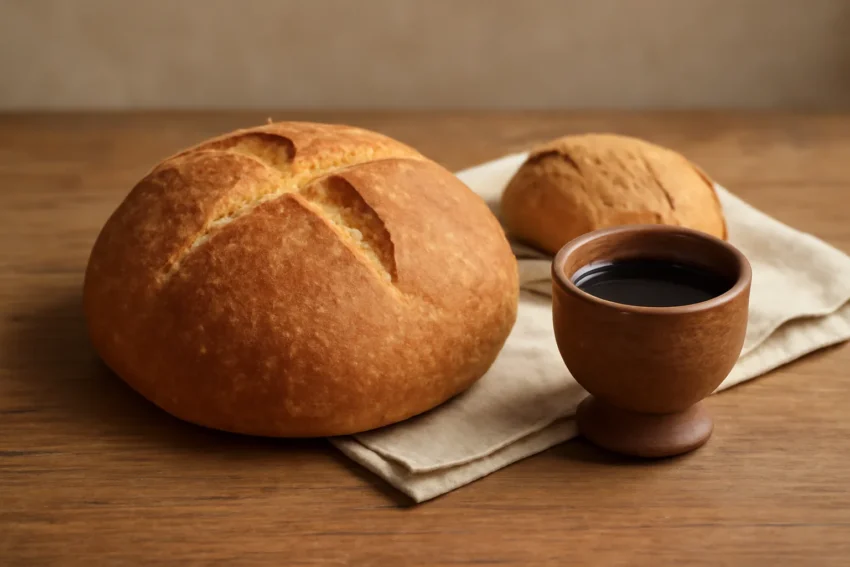
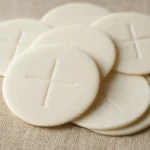
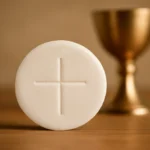
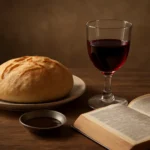
Church Bread: The Ultimate Guide to Traditional Recipes is a comprehensive exploration of the breads that have fed congregations, enriched liturgies, and carried centuries of symbolism from altar to table. This guide looks at how different Christian traditions shape their bread, the ritual meanings behind it, and how home cooks can approach traditional preparations with respect and curiosity. Whether you encounter these loaves in a church service, a monastery kitchen, or a community bakery, the bread described here shares a common purpose: to be a tangible sign of community, remembrance, and blessing.
At its core, church bread refers to the loaves or wafers used in Christian worship to symbolize the Body of Christ during the Eucharist, Holy Communion, the Lord’s Supper, or similar rites. The exact form of the bread varies by tradition, yet the idea remains consistent: bread prepared for sacred use, blessed or consecrated, and shared among the faithful. Some communities emphasize unleavened bread, others favor leavened varieties, and some distinguish between bread that is consecrated for Communion and bread that is simply distributed as a customary or ceremonial food (antidoron or similar non-consecrated bread in certain traditions).
Across languages, you will see several terms that describe the same general concept while reflecting different theological emphases and liturgical practices. In this guide, you will frequently encounter:
Communion bread or hosts – commonly used in Roman Catholic, Anglican, and many Protestant contexts for the bread that becomes or represents the Body of Christ.
Prosphora – the traditional leavened bread used in many Eastern Orthodox liturgies, stamped and prepared in a special ritual manner.
Antidoron – non-consecrated bread, often distributed to worshippers after the service in some Orthodox and Eastern Catholic churches.
Pane eucaristico or pane consacrato – Italian and broader Catholic terms referencing the sacred bread used at the Eucharist.
Sacramental bread – a broad descriptor used in ecumenical discussions to refer to bread prepared specifically for liturgical sacramental use.
Historical roots and theological meaning
Early Christians and the Last Supper tradition
The origin of church bread lies in the Last Supper narratives, where Jesus shared bread with his disciples and commanded them to “do this in remembrance of me.” Early Christians adapted the Jewish ritual meal into a distinct Christian practice, using bread that signified communal belonging and spiritual nourishment. In the earliest centuries, the bread was often simple and made with the staples available to local communities. The practice evolved as Christian worship expanded geographically and the church’s liturgical calendar took shape.
Key themes emerged early in church history that continue to animate modern uses of bread in worship:
The bread is a symbol of Christ’s body and a vehicle for communal participation in the mystery of faith.
Sharing bread expresses unity among believers and their bond with the wider church.
Ritual markings—such as stamps, embossing, or specific shapes—often carry theological or historical significance.
Medieval development and the shift toward standardization
During the Middle Ages, many Christian communities developed standardized forms of bread and specific rules for how bread was to be prepared and used in the liturgy. Monastic communities played a crucial role in refining recipes, establishing baking schedules, and codifying the symbols associated with sacred bread. In particular, the distinction between unleavened and leavened forms became pronounced in different rites and in different regions. The shift toward more formalized bread-producing practices contributed to a sense of ritual continuity across generations and continents.
Core ingredients and technique: the making of sacred bread
There is no single universal recipe for church bread; instead, recipes vary by tradition, geography, and practical constraints. Yet several common elements frequently appear in discussions of traditional forms:
Flour – usually wheat flour, sometimes mixed with other grains. The type of flour and its protein content influence the texture of the bread, whether light and crisp or moist and substantial.
Water – pure water is essential to form the dough and affect its elasticity.
Salt – enhances flavor and helps control fermentation (where yeast is used).
Yeast or natural leaven – in many traditions, bread is leavened to some degree; in others, especially Roman Catholic practice about the host, a form of unleavened preparation is used.
Oil or fat – sometimes included to enrich flavor and texture in certain regional varieties.
Sweeteners – honey, sugar, or other sweeteners appear in some recipes, often in regional or ceremonial types of bread.
Spices or aromatics – in some traditions, a touch of spice or herb is added for fragrance or symbolic reasons (for example, cardamom, sesame, or poppy seeds).
Beyond ingredients, technique matters as much as the components. The kneading, resting, shaping, and baking methods contribute to the final character of church bread. The following subsections outline several elemental approaches that theologians, historians, and bakers consider when studying traditional forms.
Two broad paths exist in the practice of making Communion bread across traditions: unleavened forms and leavened forms. The unleavened form is often associated with certain Western rites and particularly with Roman Catholic and some Protestant practices, where the bread is baked hard or wafer-like. The leavened form appears in many Eastern and broader Orthodox contexts, where the bread is prepared with yeast and used for liturgical communion under certain conditions.
Each approach embodies distinct theological and liturgical emphases. Unleavened hosts emphasize immediacy, pureness, and the gift of salvation as a free, unfermented offering. Leavened bread, by contrast, can symbolize growth, the risen Christ, and the ongoing life of the church. These symbolic interpretations have informed how communities describe and value their sacred bread across centuries.
Regional and denominational variations
The shape, texture, and method of preparing church bread reflect regional culinary traditions, theological emphases, and liturgical practices. Below are broad portraits of the major strands, with attention to how each tradition uses bread in worship and what cooks can learn from them for home practice.
Roman Catholic and Anglican (and many Protestant) traditions
In the Roman Catholic Church, the most common form of communion bread is the unleavened wafer, often called a host. Wafers are typically made from fine wheat flour and water, with very little else added. The process is designed to produce a crisp, durable, pale disk that can be stored, transported, and blessed in the liturgy. Some communities produce wafers that are very thin and light, while others create slightly thicker disks.
In Anglican and some Protestant churches, the bread used for Holy Communion can be unleavened or leavened, depending on local tradition. Some parishes bake small wafers or discs similar to Catholic hosts, while others use small loaves or bread pieces cut from a larger loaf. When leavened bread is used, it is often baked in small, uniform portions that can be easily distributed to the faithful.
Home bakers curious about these forms can explore two practical avenues:
For unleavened hosts, consider recipes that emphasize a dry, durable texture capable of withstanding handling during the rite. A simple dough of flour and water, with a pinch of salt, can be rolled very thin and baked until crisp.
For leavened varieties, a light, neutral-flavored dough is suitable. Emphasize even fermentation, gentle kneading, and shaping into small rounds or flat stones that can be toasted or baked gently to dry without browning too deeply.
Eastern Orthodox, Oriental Orthodox, and related Christian traditions
In many Eastern Christian communities, the bread used for the Eucharist is prosphora, a traditional leavened loaf prepared in a ceremonial way. Prosphora loaves are typically baked in small round or square shapes and then stamped with a seal that carries the lion’s share of liturgical symbolism. The bread is prepared with careful attention to cleanliness and ritual purity, and the stamping process often involves a priest or deacon who blesses the dough before it is baked.
Alongside prosphora, some communities distribute antidoron after the service, a portion of bread that has not been consecrated and is shared as a symbol of fellowship and hospitality. Antidoron is usually a simple, soft bread with a gentle crumb, which stands in contrast to the consecrated bread that is reserved for the Blessed Sacrament.
Key practical notes for home cooks interested in Orthodox-inspired forms include:
Experiment with a yeast-based dough that accommodates a tender crumb while remaining sturdy enough to handle during service.
To mimic the ceremonial stamping tradition, you can create simple decorative patterns on the top of the loaves before baking, though stamping is not required for home practice.
Italian and broader Mediterranean traditions
In some Italian, Greek, and Mediterranean families, bread prepared for liturgical use may resemble a rustic loaf or a simple, round loaf. The Italian tradition sometimes emphasizes pane azzimo (unleavened bread) for specific feasts or rituals, particularly during times of penitence or during the period of Passover overlaps in history. In other parts of the Mediterranean, olive oil and a touch of honey or sugar can appear in the dough to enrich flavor, though the bread remains fairly simple in texture and form.
For readers curious about Mediterranean-inspired church bread at home, a practical approach is to experiment with a lean dough that uses olive oil for softness and a subtle sweetness that can transport the ritual tone into a modern kitchen without sacrificing sacral intent.
Protestant and non-denominational practices
In many Protestant communities, the bread used for Communion varies by congregation. Some churches use a shared loaf that is hand-ted, torn, or cut into portions; others use small wafers or pre-portioned rounds. The theological emphasis in these contexts can influence how the bread is prepared and presented—whether as a simple symbol, a shared meal, or a sacramental sign that points to grace.
Home bakers who want to reflect Protestant practices can focus on versatility and practicality: a loaf or roll that can be easily portioned, stored, and distributed, with a neutral flavor that suits diverse congregations. Recipes that emphasize a soft crumb, even density, and minimal ingredients align well with many non-Catholic liturgical uses of bread.
Practical guidance for home bakers: making church bread at home
Making traditional church bread at home is a rewarding endeavor that invites you into centuries of liturgical memory. Whether your goal is to recreate a sacramental host style, a prosphora-inspired loaf, or a simple antidoron-like bread for a community meal, the following practical considerations will help you succeed.
Equipment and workspace
Mixing bowls of various sizes
A reliable scale for precise measurements
A rolling pin or dough sheeter for even thickness (especially for unleavened wafers)
Baking sheets or a dedicated baking stone
Pizza cutter or a knife for shaping and dividing dough
A stamping tool or small seal (optional, for proclaims of prosphora-like bread)
A clean surface free from strong odors or residual flavors that could transfer to bread
A warm, draft-free area for proofing dough if you are using yeast-based recipes
Regardless of tradition, a few techniques help ensure a successful outcome when making church bread at home:
Hydration control: The water content of the dough affects texture. Lean unleavened doughs require careful rolling to avoid tearing; leavened doughs need enough moisture to develop a tender crumb.
Fermentation timing: If using yeast, allow adequate rising time in a warm environment. Over-proofing can lead to a pale, weak crumb; under-proofing can result in dense bread.
Shaping with purpose: For wafers, rolling thin and evenly is key. For small loaves, shaping ensures uniform baking and easier distribution to worshippers.
Baking temperature and duration: Unleavened wafer-like bread will bake quickly at higher temperatures; leavened loaves require longer baking at moderate heat to ensure thorough cooking without burning.
Storage: After cooling, store in a dry, airtight container to maintain texture for liturgical use or for community sharing.
Below are several recipe approaches that reflect different church bread traditions. Each recipe includes a brief rationale for the style, followed by steps that are approachable for home cooks while honoring the liturgical sensibilities of the form.
Purpose: A simple, durable wafer suitable for liturgical use, with very few ingredients and a crisp texture.
Ingredients:
2 cups (240 g) fine wheat flour (cake flour or all-purpose can work
3/4 cup (180 ml) water
1/4 teaspoon salt
Method:
In a mixing bowl, combine flour and salt. Gradually add water, mixing until a cohesive dough forms.
Roll the dough very thin—aim for a uniform sheet about 1/16 inch (1.5 mm) thick. If the dough springs back, let it rest for 10–15 minutes before continuing.
Cut rounds or shapes with a cookie cutter or a floured ring; arrange on a lightly oiled or parchment-lined baking sheet.
Bake at 375°F (190°C) for 8–12 minutes, or until the edges begin to color slightly and the wafers feel dry to the touch.
Cool completely. Store in an airtight container for up to several weeks in a cool, dry place.
Notes: This recipe yields wafers that are crisp and pale, with a neutral flavor. It is ideal for communities that emphasize the sacramental perception of the bread as a purely symbolic element of the Eucharist.
Purpose: A small, ceremonial loaf suitable for liturgical use, reflecting the traditional leavened form and the care taken in Eastern rituals. This is a home-friendly adaptation, not a strict liturgical prescription.
Ingredients:
3 cups (360 g) bread flour
1 cup (240 ml) warm water
2 teaspoons active dry yeast
1 teaspoon salt
1 tablespoon olive oil (optional for texture)
1 teaspoon honey (optional for flavor)
Method:
In a small bowl, activate yeast with a pinch of sugar in the warm water for about 5 minutes until foamy.
In a large bowl, combine flour and salt. Add the yeast mixture and olive oil; mix to form a soft dough.
Knead for about 8–10 minutes until the dough is smooth and elastic. If needed, add a little more flour to prevent sticking, but avoid a dry dough.
Place in a greased bowl, cover, and let rise in a warm place for 60–90 minutes, or until doubled in size.
Gently punch down and divide into 8–12 small round portions. Shape into discs about 3–4 inches (7–10 cm) in diameter and about 1/2 inch (1.25 cm) thick.
Place on a parchment-lined baking sheet. Lightly dust the tops with flour and press a simple decorative pattern on each loaf with a knife or stamp if desired.
Let rise for an additional 20–30 minutes. Bake at 375°F (190°C) for 15–18 minutes, until golden and sound hollow when tapped on the bottom.
Cool completely before use. Store in a sealed container for a few days or freeze for longer storage.
Notes: This approach preserves a lean flavor and a pliant crumb. The bread works well for communities that honor the ritual of sharing a common loaf and for households that want to reflect Eastern Christian liturgical aesthetics in a domestic setting.
Recipe 3: Antidoron-inspired non-consecrated bread (non-consecrated bread for fellowship)
Purpose: A soft, everyday bread that is not used for consecration in liturgy but serves as a table bread or a welcome offering after worship in certain traditions.
Ingredients:
3 cups (360 g) bread flour
1 cup (240 ml) warm water
2 teaspoons active dry yeast (optional for softness)
1 teaspoon sugar
1 teaspoon salt
2 tablespoons olive oil or melted butter
Method:
In a bowl, whisk together 1 cup warm water, yeast (if using), and sugar. Let sit 5–10 minutes until foamy (if not using yeast, skip this step).
In a separate bowl, mix flour and salt. Add the yeast mixture (or the remaining water if not using yeast) and oil; stir to form a cohesive dough.
Knead about 6–8 minutes until smooth. Place in a lightly oiled bowl, cover, and let rise 45–60 minutes.
Shape into a soft, round loaf or small rolls. Place on a baking sheet and let rise another 20–30 minutes.
Bake at 375°F (190°C) for 20–25 minutes, until the crust is lightly golden and the loaf sounds hollow when tapped.
Cool on a rack and serve as a communal bread during meals following worship.
Recipe 4: Gluten-free adaptation for church settings
Purpose: A gluten-free option that preserves the intention of church bread for communities with gluten sensitivities. This version uses a blend of gluten-free flours and a binding agent to mimic texture.
1 teaspoon xanthan gum (if your blend does not include it)
1 teaspoon instant yeast (optional for leavened texture)
1/2 teaspoon salt
1-2 tablespoons olive oil
Method:
Combine dry ingredients in a bowl. Add warm water and olive oil; mix until a smooth dough forms. If using yeast, allow it to proof briefly in the warm water first.
Let the dough rest for about 10–15 minutes to hydrate the flours and improve binding.
Shape into thin rounds or small discs. Place on a parchment-lined sheet and bake at 350°F (175°C) for 15–20 minutes, or until edges are set and surfaces are lightly golden.
Cool completely and store in an airtight container. This bread is best consumed within a few days or frozen for longer storage.
Symbolism and ritual use: how bread carries meaning
Beyond taste and texture, church bread carries deep symbolism in Christian liturgy and everyday worship. The ritual use of bread anchors theology in the senses, connecting a tangible food with spiritual concepts. Here are some central themes and practices that help illuminate the meaning of this sacred bread:
Unity and fellowship—sharing one loaf or one set of wafers expresses the community’s unity in faith and mission.
remembrance—the bread is a reminder of Christ’s life, death, and resurrection, inviting believers to recall those events during liturgy.
grace—in many traditions, the bread is believed to become the Body of Christ through consecration, a sign of divine grace given to all who receive it.
hospitality—non-consecrated bread such as antidoron or a shared loaf often serves as a welcome signal to guests and newcomers within a worshiping community.
Different traditions frame these meanings in distinctive ways. Some communities emphasize the mystical transformation of bread during the liturgy, while others highlight the bread’s role as a sign of community and charity. In both cases, the bread’s physical character—its texture, color, and aroma—serves as a conduit for spiritual memory and communal identity.
Historical and cultural considerations: how recipes evolve
As Christian communities traveled, migrated, and settled in new lands, their practice of making church bread adapted to local ingredients, climates, and baking technologies. In some regions, wheat was abundant and production favored yeast-based loaves; in others, unleavened wafers were preferred due to fasting periods or practical concerns. The result is a mosaic of forms that share the same sacred purpose but different narratives of origin.
Several factors have shaped these evolutions:
Availability of ingredients: local flours, water quality, and available sweeteners influence dough texture and flavor.
Technological opportunities: access to ovens, baking stones, or industrial wafer production impacts the final form of the bread.
Liturgical calendars: seasons of fasting, feasts, and penitential periods may guide the preference for unleavened or leavened forms.
Ecclesial governance: church authorities may establish norms for what bread should be used in sacraments and how it should be prepared.
For historians or culinary enthusiasts, trying to recreate historical church bread is a delicate balance of respecting tradition while allowing for modern safety standards and sensory expectations. When exploring ancestral recipes, it is helpful to consult liturgical texts, regional culinary histories, and, where possible, the guidance of church authorities or clergy who oversee communion practices in specific communities.
Health, safety, and dietary considerations
Because church bread is intimately connected with ritual and hospitality, bakers should be mindful of safety, allergen management, and dietary needs. Some considerations include:
Gluten sensitivity: many forms of communion bread rely on wheat flour. Gluten-free adaptations, as shown in Recipe 4, can help communities accommodate celiac or gluten-intolerant members, but cross-contamination should be minimized during production and storage.
Allergens: even in non-consecrated bread, potential allergens (nuts, sesame, dairy) should be considered if the bread is shared in a communal setting.
Sanitation: tools and surfaces used for bread that will be distributed to many people should be kept clean, with attention to washing and sanitization between batches.
Labeling: when sharing bread publicly, consider labeling whether it contains common allergens or if it is gluten-free, to avoid confusion and ensure inclusivity.
Healthy, respectful handling of bread is part of the sacramental ethic around food and worship. Home bakers and church volunteers can cultivate practices that honor both tradition and contemporary dietary needs, including offering several bread options during gatherings or services.
Glossary of terms often used with church bread
Host – a generic term for the bread used in the Eucharist in Western Christian traditions.
Prosphora – traditional leavened bread used in many Eastern liturgies, stamped and baked in a specific ritual context.
Antidoron – non-consecrated bread distributed in some Orthodox communities.
Pane eucaristico – Italian term for sacramental Eucharist bread.
Sacramental bread – bread prepared for a sacramental rite, with liturgical significance.
Unleavened – bread made without yeast, often associated with hosts used in Western liturgies.
Leavened – bread that contains yeast and rises, common in many Eastern liturgical forms.
Tips for educators and community leaders: teaching about church bread
For educators, clergy, or community program leaders explaining the significance of church bread to laypeople or newcomers, consider the following approaches:
Offer a short visual or tactile demonstration: show how traditional wafers differ from small loaves, and explain how each form connects to its tradition.
Provide reading material: a handout or short article explaining the theological symbolism, liturgical use, and regional varieties can help people appreciate the bread’s meaning beyond its taste.
Involve participants in a safe bread-making activity: if appropriate, invite them to participate in a guided bread-making exercise that respects liturgical sensibilities and safety guidelines.
Respect diversity: acknowledge the variety of forms within a single tradition and across traditions, emphasizing unity in shared faith rather than uniformity in practice.
Conclusion: reverence, craft, and shared nourishment
From the earliest Christians to modern pews and monasteries, bread has remained a powerful symbol and tangible medium for expressing faith, memory, and communal identity. The diverse forms of church bread—whether unleavened wafers, leavened prosphora, or non-consecrated antidoron—reflect a shared longing: to honor the sacred, to welcome the faithful, and to sustain a community through food that becomes more than sustenance. In kitchens around the world, bakers who approach this task with reverence, curiosity, and care participate in a long lineage of craft and devotion. This ultimate guide aims to illuminate the tradition, offer practical pathways for home cooks, and invite readers to experience the bread’s layered meanings in their own communities.