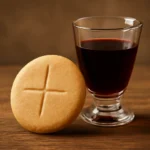
Communion with wine is a centerpiece of Christian worship for many communities around the world, shaping how believers understand the meaning of the Eucharist, the memory of Christ, and the bonds that bind a gathered church. This article explores the meaning, the historical development, and the varied practices associated with using wine in the sacramental rite across traditions. While the language may differ—some call it the Holy Communion, others the Eucharist, the Lord’s Supper, or simply the Mass—the use of wine in this sacred act remains a throughline in many Christian communities. The aim here is to offer an educational overview that respects diversity while highlighting shared questions about symbolism, doctrine, and practice.
At its core, communion with wine is about more than sharing a drink. It is a ritual enactment of memory, gratitude, and participation in the life of Christ. Across traditions, several layers of meaning recur in relation to the wine that is poured or shared:
Remembrance: The cup represents the blood of Christ shed for many, recalled in Jesus’ words at the Last Supper: “Do this in remembrance of me.” The wine thus serves as a tangible link to the events of Holy Week and the meaning of salvation.
Thanksgiving: The act of blessing, consecrating, and sharing wine is a form of eucharist—a Greek word meaning thanksgiving—that acknowledges God’s gifts and the redemption offered through Christ.
Sacrifice and covenant: In many lineages, wine is associated with a covenantal meal, echoing biblical covenants in which a shared cup sealed a promise between God and humanity.
Communion and unity: Sharing one cup (in some places) or participating in the same ritual emphasizes the unity of the church, transcending social divisions and personal differences within the body of believers.
Participation in Christ’s life: In many theologies, the wine signals a real, ongoing participation in the life, death, and resurrection of Jesus, whether interpreted through a real presence, a spiritual presence, or a symbolic remembrance.
Hope and eschatology: The meal looks forward to the heavenly banquet and the fullness of God’s kingdom, where the eschatological celebration will be complete.
Different traditions emphasize different facets of these meanings. Some focus on the real presence of Christ in the sacrament; others stress remembrance and symbolism, while others still highlight the social and ethical implications of sharing a meal together in a world of hunger and division. Regardless of the theological lens, the wine in the liturgy functions as a powerful memory vehicle, a sacramental sign, and a communal bond.
Historical journey: from ancient roots to modern practice
The practice of using wine in Christian rites did not arise in a vacuum. It has roots in Jewish liturgical life, the earliest Christian communities, and a long arc through medieval, Reformation, and modern times. Below is a guided overview that highlights key moments and turning points. Throughout, we use the language of communion with wine to trace continuity and change across centuries.
Ancient roots: Passover symbolism and the Last Supper
Long before Christians gathered for the Lord’s Supper, Jewish ritual meals used wine as part of the Passover and other sacred feasts. Many scholars see the Last Supper as a Passover meal reframed in light of Jesus’ teachings and mission. In that first setting, wine functioned as a sign of liberation, blessing, and covenant faithfulness. When Jesus spoke of the cup as the “cup of the covenant” and urged his followers to drink it in remembrance of him, he tied the sign of wine to a visionary future rooted in God’s redemptive action.
As early Christians began to gather in homes and, later, more formal settings, they carried forward those symbolic associations. The language of the blood of Christ in the cup and the bread’s signification of the body became a robust shared vocabulary for the church’s worship and catechesis. Even when wine was not the exclusively used beverage in all communities, the symbolic value of the cup remained central to the sacrament.
Early Christian communities: liturgical patterns and terminology
In the second and third centuries, the Eucharist (the term most frequently used by the early church for this meal) was celebrated with particular forms that often included both bread and wine. The Didache, an early Christian manual likely from the late first or early second century, indicates prayers over the bread and the cup and describes how the community is to give thanks and break the bread. The details vary by locale, but the pattern of blessing, breaking, sharing, and giving thanks remained a constant thread, with wine playing a central liturgical role in many communities.
During this period, the rituals were shaped by a combination of apostolic tradition, local custom, and developing liturgical language. The underlying theology was not yet systematized in the way it would be later; nevertheless, the shared practice of offering bread and wine as a meal of feasting, remembrance, and spiritual nourishment became a defining signature of Christian worship.
Patristic era and medieval consolidation
In the Patristic era, church fathers such as Ignatius of Antioch and Justin Martyr described the Eucharist in terms of bread and wine (or the cup) being blessed and distributed to the faithful. The language of “taking part in the body and blood of Christ” pointed to a profound sense of communion with Christ and with one another. By the medieval period, the liturgical life of Western and Eastern churches had developed into more formal structures, including specific rites and words of consecration spoken by ordained clergy.
In the Latin West, the doctrine of the real presence began to be articulated with increasing precision. The ritual of wine receiving into the chalice was codified within the Mass, and the practice of consecrating both bread and wine became central to the liturgical act. In the East, the Divine Liturgy preserved very similar elements, often with elaborations around the distribution by spoon and the mixing of water with wine in some traditions. Across both spheres, the wine remained an essential sign of the sacramental life, not merely a symbol but a means through which the faithful were joined to Christ’s saving work.
The medieval era saw increasing emphasis on the sacramental authority of the priest, the authenticity of the rite, and the integrity of the ritual elements. Debates over the precise understanding of the presence of Christ in the elements intensified during the Reformation. In Catholic and Orthodox contexts, the wine continued to be the substantive sign of Christ’s blood, often treated with a heightened sense of reverence and universal skill in liturgical celebration. In Protestant traditions, theologians debated whether Jesus’ presence in the bread and wine was literal, symbolic, or spiritually mediated, leading to a spectrum of practices from the sacramental view to the memorial view and beyond.
During this period, some communities mandated or preferred grape wine in the sacramental cup, while others permitted or even encouraged the use of grape juice in response to theological or social concerns about alcohol. These shifts reflect broader debates about authority, tradition, and reform that shaped how communion with wine would be understood and practiced in different Christian families.
Modern era: reform, ecumenism, and contemporary practice
With the Protestant Reformation and subsequent ecumenical movements, churches across the globe reexamined their practices around wine, cup sharing, and the language of the rite. In many Catholic and Orthodox communities, the traditional use of wine in the chalice remains central, with deep ritual symbolism and a robust sacramental theology. In many Protestant contexts, especially among Anglicans, Lutherans, and certain Reformed churches, there has been a spectrum of practice—from full sacramental presence to symbolic remembrance—with varying approaches to the distribution of wine, the administration by lay members, and the use of alternative beverages where appropriate.
In today’s world, you can find a rich array of practices: common cups in some congregations, individual cups in others, intinction (dipping the bread into the wine or grape juice) in some settings, and, in certain communities, the use of grape juice as an alternative to wine. The choice often reflects a combination of theological emphasis, health and safety considerations, cultural preferences, and local regulations. Across traditions, however, the fundamental aspiration remains the same: to gather as a people in a sacred meal that binds them to Christ and to one another.
Practices around Communion with wine: rituals, distribution, and logistics
This section turns to the practical dimensions of participating in the Lord’s Supper with wine, including the typical elements of the rite, variations by tradition, and considerations for planning services. While the details differ, several core components recur across communities:
Preparation—the altar, chalice, bread, and wine are prepared, along with necessary vessels, purificators, and cloths. In many traditions, the wine is blessed and/or consecrated by the presiding minister, following ancient liturgical patterns.
Prayer of thanksgiving—a central prayer (anamnesis) that recalls Christ’s saving work and thanks God for the gift of grace conferred in the sacrament.
Blessing and consecration—in many liturgical settings, the priest or bishop pronounces the blessing that makes the elements sacred for the faithful.
Distribution—the faithful receive the consecrated elements, either in the form of the bread and the wine, or through a common cup and individual pieces of bread, depending on tradition and local custom.
Reception—believers partake of the elements as a public act of worship and a private reception of grace, often with a posture of reverence (standing or kneeling) and a moment of contemplation.
Thanksgiving and dismissal—after receiving, the assembly gives thanks and is dismissed with a blessing and a mission to embody the grace of the sacrament in daily life.
Below are some practical variations you might encounter in different Christian communities. Each approach reflects a balance between fidelity to tradition and adaptation to contemporary life and needs.
Distribution methods: common cup, individual cups, and intinction
Common cup: In some congregations, everyone drinks from the same cup. This ancient practice emphasizes communal participation but raises concerns about cleanliness and health; modern instances often include careful handling, sanitized chalices, and occasional policy changes in response to public health.
Individual cups: Many churches opt for individual cups that are distributed by ushers or communicants. This approach minimizes contact and waste and can accommodate larger congregations with hygienic reliability.
Intinction: Some communities employ intinction, in which the bread is dipped into the wine (or grape juice) by the celebrant or by the communicant, and then distributed. In some cases, intinction combines the sharing of bread and wine into a single act, while others preserve separate elements.
In addition to distribution methods, the choice of beverage—wine or grape juice—serves as a practical and theological signal. Wine has a long-standing association with sacramental signification in most Christian liturgies, while grape juice is chosen in some contexts to reflect concerns about alcohol or to accommodate communities with particular prohibitions. The choice often carries implications for ecumenical dialogue and inter-denominational relationships, especially in multicultural settings.
Textual and musical elements
Beyond the physical elements, the liturgy includes prayers, anthems, hymns, and readings that illuminate the themes of sacrifice, forgiveness, and communal inclusion. The words spoken by the presider, the scriptural readings, and the sung responses contribute to a layered ritual experience that helps the assembly connect the ancient sign with its present reality. The wine’s symbolism enters these texts as a lens through which believers gaze upon the mysteries of faith.
Frequency and context
Different Christian communities celebrate the communion meal with wine on different schedules. Some traditions celebrate weekly, aligning with the ebb and flow of ordinary time and weekly worship cycles. Others observe the rite monthly, quarterly, or on special occasions. The frequency often mirrors theological emphases (for example, a strong liturgical calendar and the integration of the Eucharist into every Sunday) and practical considerations (for example, the population size and serving logistics of a given community).
Wine, theology, and the doctrine of the sacrament
The use of wine in the sacramental rite raises foundational theological questions about how Christians understand the presence of Christ, the nature of the sacrament, and the efficacy of the ritual. Across traditions, several major schools of thought are commonly taught, even as nuance and terminology vary from church to church.
Catholic and Orthodox perspectives: sacramental realism and the real presence
In Catholic and Orthodox theologies, the celebration of the Eucharist with wine is closely tied to the doctrine of the real presence of Christ in the elements. In Catholic teaching, the term transubstantiation describes the change of the substance of bread and wine into the body and blood of Christ, while the appearances of bread and wine remain. The sacrament is a gift of grace by which believers receive Christ himself through the elements, and the wine embodies the blood of the new covenant. In Orthodox theology, a similar sense of real presence is held, often framed with liturgical language that emphasizes mystery and participation in the life of Christ through the sacrament. In both traditions, the wine is not merely symbolic; it is a viable means by which Christians participate in the divine life.
Lutheran and some Anglican perspectives: real presence through sacramental union or covenantal memory
Lutheran theology traditionally speaks of the real presence of Christ in the sacrament through the concept of sacramental union, where Christ’s body and blood are truly present “in, with, and under” the bread and wine. Although it uses precise language different from Catholic transubstantiation, the Lutheran understanding affirms a genuine presence in the elements. Many Anglican communities hold a broad, often inclusive range of positions—some subscribing to a sacramental presence and others emphasizing a more symbolic or memorial understanding. In practice, Anglican churches may offer wine in the chalice accompanied by bread, with questions about presence often addressed pastorally rather than doctrinally. The result is a spectrum that accommodates both continuity with historic sacramental language and openness to diverse spiritual experiences.
Reformed and Evangelical traditions: symbolic and spiritual presence
In Reformed churches, the emphasis often lies on a spiritual presence of Christ or on the memorial aspect of the rite. The ceremony remains deeply meaningful, but the interpretation of how Christ is present in the elements is framed as a spiritual participation by faith rather than a physical transubstantiation. For many Evangelical and Baptist communities, the Lord’s Supper is primarily a remembrance of Christ’s sacrifice, a powerful reminder of grace and gratitude, with wine representing the blood shed for humanity but not necessarily implying a literal physical change. In these contexts, the emphasis often falls on the moral and communal dimensions of the meal rather than on speculation about ontological change.
Ecumenical considerations: shared meanings and respectful diversity
In ecumenical conversations, many churches acknowledge that the rite of communion with wine communicates similar core themes—grace, forgiveness, community, and gratitude—while maintaining distinct doctrinal frameworks. Dialogues across denominations often address practical issues (such as the use of grape juice, distribution methods, or the language used in liturgy) as well as deeper questions about the presence of Christ and the nature of the sacraments. The shared practice of gathering around a table that uses wine as a primary sign remains a powerful symbol of Christian unity, even as doctrinal positions diverge.
Denominational snapshots: how major traditions approach wine in the sacrament
The landscape of Christian practice is diverse. Here is a concise survey of how some major families of churches understand and implement communion with wine, followed by notes on how variations occur within each tradition. This overview is not exhaustive, but it highlights patterns and common differences you may observe in different communities.
Roman Catholic Church
In the Roman Catholic Church, wine plays a central role in the Mass. The priest consecrates the bread and wine through the words of consecration, and the faithful receive the elements in a ritual that emphasizes the real presence of Christ. The wine is typically used in the chalice, and water may be added as a symbol of the water that flowed from Christ’s side or as a symbol of humanity that is united with the divine. The Latin rite and many Eastern Catholic rites maintain the practice of wine as the primary sacramental sign. The distribution is often conducted by the priest or by an extraordinary minister of Holy Communion, depending on local norms. For Catholics, the sacrament is administered within the celebration of the Mass, and it is one of the seven sacraments that constitute the heart of Catholic sacramental life.
Eastern Orthodox Church
The Orthodox churches also use wine in the Divine Liturgy, frequently served in a chalice and distributed with a spoon. The rite emphasizes the mystery of Christ’s presence in the cup and bread, with liturgical words and actions that highlight the salvific action of the Eucharist. In some Orthodox traditions, wine and bread are mixed with a small amount of water in the cup, an ancient custom that carries symbolic significance about the humanity of Christ and the divine presence in the sacrament. The service is highly liturgical, with a strong sense of reverence, beauty, and ritual.
Anglican Communion
Within the Anglican family, there is significant diversity. Some parishes emphasize a strong sacramental presence of Christ in the Eucharist, while others focus more on a memorial or spiritual presence. The use of wine varies by local practice; some churches offer grape wine in the chalice, while others provide grape juice for logistical or theological reasons. The shared theological frame is often described as a via media—a middle way that seeks to retain the historic themes of the sacrament while allowing space for varied interpretations and pastoral sensitivities.
Lutheran Churches
In Lutheran churches, the real presence is affirmed through sacramental union, which means Christ is truly present in the elements, though the precise mechanism is described differently from Catholic teaching. The practice typically includes bread and wine in the context of the liturgy, with the congregation communing under one form or two (bread alone or bread with wine). Lutherans often emphasize both faith reception and the grace that comes through the sacrament, maintaining a robust sense of continuity with the historic confession while embracing pastoral adaptability.
Reformed and Pentecostal traditions
In Reformed churches, the emphasis is often on the spiritual presence of Christ and the remembrance aspect of the rite. The use of wine or grape juice reflects practical and theological choices, with some communities preferring symbolic framing that stresses gratitude and covenant renewal. In many Pentecostal and charismatic churches, the celebration of the Lord’s Supper with wine is common, but practical considerations and pastoral discretion guide the exact form and frequency, sometimes paired with a strong emphasis on personal response and communal grace.
Baptist and Anabaptist traditions
For many Baptists and Anabaptists, the Lord’s Supper is primarily a symbolic memorial of Christ’s suffering and a call to ethical living. Wine may be used in some congregations, but grape juice is more common in others for reasons of conscience or public health. The emphasis is often on personal faith, congregational self-government, and the interpretation of Scripture as the guiding authority for how the rite is observed.
Wine and culture: global perspectives and local expression
Across continents and cultures, communion with wine takes on local flavors, languages, and ritual aesthetics. The sign of wine travels into different liturgical art, music, and devotional life, shaping how people imagine faith, memory, and community. Some cultural patterns include:
Regional wine traditions: In wine-producing regions, local winemaking practices exert influence on the sacramental wine’s character, sometimes reflecting regional grape varieties and winemaking styles.
Ritual aesthetics: The appearance of the chalice and paten, the color of liturgical vestments, and the accompanying hymns are often tailored to local liturgical calendars and cultural sensibilities, enhancing the sense of reverence and meaning.
Social and ethical reflections: In many communities, the act of sharing wine amid issues of hunger, poverty, and social justice invites reflection on the church’s mission in the world, including how the sacrament calls believers to care for the vulnerable.
These global expressions of communion with wine demonstrate how a single sacramental sign can be lived in manifold ways while retaining a shared core meaning: a gathered people, tasting grace, and being sent to be channels of God’s mercy in the world.
Practical guidance for churches and worship planners
For those responsible for planning and leading worship, a thoughtful approach to communion with wine includes attention to theology, logistics, and pastoral care. The following considerations can help ensure the rite remains meaningful, inclusive, and safe for participants:
Theological clarity: Communicate, in age-appropriate language, the underlying meaning of the rite—grace, remembrance, covenant, and unity—without reducing it to an overly narrow interpretation.
Documentation and consent: If you’re using grape juice instead of wine or offering both options, communicate clearly about the choice and ensure consent from the leadership and volunteers involved in distribution.
Distribution plan: Decide whether you will use a common cup, individual cups, or both, and determine who will distribute (clergy, lay leaders, or a combination) with attention to hospitality and safety.
Health and safety: In today’s context, consider hygienic practices, sanitization of vessels, and allergy awareness when choosing beverages and bread ingredients. Have alternatives for those with sensitivities or dietary restrictions.
Accessibility and inclusion: Ensure the rite is accessible to children, the elderly, and people with disabilities, possibly offering shorter forms of the liturgy or alternative means of participation while preserving the sacred character of the meal.
Ecumenical sensitivity: In multi-denominational or interfaith contexts, be transparent about the language used and the eligibility for participation, respecting diverse beliefs within the assembly while inviting shared reverence for the ritual’s meaning.
Pastoral care: Recognize that the sacrament may be emotionally charged for some participants. Provide opportunities for quiet reflection, prayer, or follow-up conversation with a pastor or church leader as appropriate.
Wine in liturgy: symbolism, meaning, and ongoing questions
Even as churches differ in practice, the symbol of wine in the Eucharist continues to provoke meaningful reflection. Some recurring questions in contemporary discourse include:
What does the wine signify today? In many communities, the wine remains a window into salvation history, a sign of Christ’s blood shed for humanity, and a reminder of the covenantal renewal offered through grace.
How should communities handle alcohol responsibly? Some churches emphasize temperance or abstinence for cultural or health reasons, while others uphold historical practice and sacramental convention. Open dialogue helps communities navigate these concerns with care and respect.
What is the role of the laity in the celebration? Varying approaches to distribution reflect different understandings of church leadership and participation. In some settings, lay readers or ushers assist; in others, clergy perform the central actions.
How can ecumenism be advanced through shared practice? When denominations discuss how to approach wine, grape juice, or cup sharing, they can build mutual respect while acknowledging doctrinal differences, fostering unity without erasing diversity.
Cultural reflections: art, literature, and communal memory
Over the centuries, the ritual use of wine in the Christian meal has left a rich cultural footprint. In art, liturgical music, and devotional literature, the imagery of the cup and the chalice has become a potent symbol of grace, sacrifice, and communal belonging. Readers and worshippers encounter this symbolism in illuminated manuscripts, stained glass, sculpture, and modern media, where the sacramental sign of wine continues to convey a sense of mystery, reverence, and civic responsibility to care for others.
In many communities, this symbol also invites ethical reflection: the wine cup points toward the brokenness of the world and the healing offered through grace. It can foster a sense of solidarity with those who suffer, a commitment to justice, and a call to hospitality, generosity, and service as the church carries the sign into daily life beyond the sanctuary walls.
Conclusion: a shared rite with many faithful expressions
Across the history of Christianity, communion with wine has remained a central, richly interpreted rite that gathers communities around a transformative sign. From its early roots in the Passover tradition to its current diverse manifestations, the practice continues to teach, nourish, and unite believers. The exact theological interpretation—whether Catholic, Orthodox, Lutheran, Reformed, Anglican, Methodist, or Baptist—may vary, yet the essential intention endures: to remember Christ, to give thanks, to partake in his life, and to be sent into the world as witnesses of grace. Whether the cup is shared from a single chalice or supplied in many cups, whether wine or grape juice is used, the sacrament remains a powerful invitation to encounter the mystery of faith and to participate in God’s ongoing work of reconciliation and renewal.
For readers seeking further exploration, consider the following avenues of study and practice:
Compare the liturgical texts of several traditions to identify the shared phrases and distinctive emphases surrounding the consecration and distribution of the Elements.
Study primary sources from the early church, such as the Didache and writings of the patristic era, to understand how the earliest Christians conceived of the Eucharist and the use of wine.
Visit a diverse set of churches—Catholic, Orthodox, Lutheran, Anglican, and Reformed—to observe how communion with wine is enacted in different contexts and how congregants experience the rite differently.
Engage in discussions about the ethical dimensions of the rite, including issues of accessibility, health, and social responsibility, and reflect on how the act of sharing wine can inspire tangible acts of service in the wider community.
In sum, Communion with wine is a window into the heart of Christian worship: a sacramental memory that binds believers to Christ and to one another, a ritual rooted in ancient tradition and continually renewed in diverse cultural contexts, and a powerful reminder that faith, when celebrated together, can foster reconciliation, hope, and enduring fellowship.