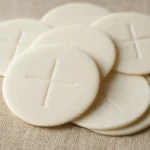
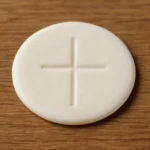
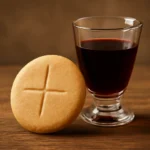
Communion is a sacred practice in many Christian communities, and for some people, the presence of gluten in communion hosts presents a real concern. This article offers a comprehensive guide to gluten-free communion hosts, exploring what they are, how they’re made, where to obtain them, and how to use them safely in worship settings. Whether you are a parish administrator, a worship planner, a person with celiac disease, or a curious reader, you’ll find practical information, plain language explanations, and reliable considerations for choosing and handling gluten-free wafers, gluten-free Eucharistic bread, or other forms of GF communion hosts.
A gluten-free communion host is a wafer or small loaf intended for use in the Eucharist that contains little to no gluten-containing grains. In most cases, that means the product is formulated to meet gluten-free standards—commonly less than 20 parts per million (ppm) of gluten in many jurisdictions, including the United States. In other regions, the standard may be described as “gluten-free” with a defined threshold set by the local regulatory authority or by the denomination’s guidelines.
Important distinctions exist in terminology. You might see terms like gluten-free wafers, gluten-free hosts, gluten-free altar bread, or GF Eucharistic wafers. All of these refer to bread products designed to be used in communion while avoiding gluten. The underlying concept is simple: the sacred bread used for the ceremony should be free from gluten or should minimize gluten exposure for worshipers who cannot tolerate it. In practice, producers achieve this by using alternative starches or grains (such as rice, corn, or potato starch) and by maintaining strict production controls to prevent cross-contamination.
Notes on practice and theology matter here. In many denominations, the physical form of the host (unleavened wafers vs. leavened bread) and the method of consecration are important. Gluten-free forms are typically unleavened wafers, aligning with traditional liturgical forms in Catholic, Orthodox, and some Protestant contexts. However, there are circumstances in which leavened GF hosts exist for specific devotional or regional practices. When selecting a product, it’s essential to confirm that the form aligns with your denomination’s liturgical norms.
Key terms and variants you may encounter
To help you navigate choices, here are common variants and related terms you may encounter when shopping for or discussing gluten-free communion hosts:
Gluten-free wafer or gluten-free wafer-style host: A thin, crisp, unleavened wafer designed for use in the Eucharist.
Gluten-free altar bread: A more formal or larger form of the host used in some liturgical settings, still gluten-free.
GF Eucharistic wafer: Emphasizes the sacramental role while noting gluten-free status.
Rice-based host or rice-based wafer: A common GF formulation using rice flour as a primary ingredient.
Corn-based host: An alternative GF option using corn as a primary source of starch, sometimes chosen for taste/texture or dietary preferences.
Potato starch-based wafer: Another gluten-free formulation type used in some products.
Certified gluten-free: A label indicating the product meets specific gluten-free standards and testing regimes (e.g., GF or gluten-free certified labeling in many markets).
Not all gluten-free statements are created equal. Look for clear labeling, and where possible, independent certification or testing data showing gluten content at or below the relevant threshold. In congregational settings, you may also want to verify cross-contamination controls in manufacturing and packaging.
Ingredients, production methods, and safety considerations
Understanding what goes into a gluten-free host helps you assess safety and suitability for your faith community. While ingredients can vary by product and brand, several common approaches exist:
Alternative starch bases: GF hosts often substitute wheat flour with rice flour, corn starch, potato starch, tapioca, or blends designed to emulate the texture and mouthfeel of traditional wafers.
Unleavened formulation: Most GF communion wafers are unleavened, reflecting the liturgical character of the Eucharist in many traditions.
Allergen controls: Reputable producers maintain dedicated facilities or lines to minimize cross-contact with gluten-containing grains, including careful equipment cleaning, separate packaging, and strict batch controls.
Certification and testing: Some GF hosts carry third-party certifications (for example, gluten-free certification marks) and publish batch test results or certificate of analysis. This information can be helpful for parishes that must document safety for communicants with celiac disease or sensitivity.
Important safety note: even with gluten-free formulations, cross-contamination remains a practical concern in church environments. If a parish kitchen or sacristy handles traditional wheat-based hosts for other liturgical purposes, there is a risk of inadvertent contact or residue. For best practice, consider dedicated handling procedures for GF hosts and communicate clearly with ministers and volunteers about the importance of avoiding cross-contact.
When evaluating a gluten-free communion wafer, you may also encounter products that include additional ingredients such as emulsifiers, flavorings, or stabilizers. In most cases, these extras do not affect the gluten-free status, but you should review the full ingredient list if there are other dietary concerns in your community (for example, if someone has dairy or soy allergies). If the host uses any animal-derived components, catechetical or canonical guidance may also be relevant in certain traditions.
Denominational considerations and acceptance
The appropriateness and acceptance of gluten-free communion hosts can vary by denomination, local parish policy, and even specific diocesan guidelines. Here is a broad overview to help you understand how GF hosts fit into different Christian contexts:
Catholic Church: The Catholic Church generally accepts gluten-free hosts, provided they are valid matter for the Eucharist (unleavened bread, traditionally). The key considerations are that the GF host must be consecrated, distributed, and handled in a way consistent with liturgical norms. Some dioceses issue guidance or allow Holy See–approved GF hosts, while others rely on local liturgical commission decisions. Parish leaders should consult their diocesan office if they are uncertain about specific products or procedures.
Orthodox and Eastern Christian churches: Orthodox churches typically use leavened bread for the Eucharist, with a different theological and liturgical framework. Gluten-free options are less common within traditional Orthodox practice. Some communities may accommodate GF hosts under pastoral guidance, but it requires careful consideration of liturgical norms and priestly discretion.
Protestant and Anglican traditions: Protestant denominations vary widely. Some churches regularly use wafer-style hosts, while others use bread or elements prepared in parish kitchens. Gluten-free options are often embraced to include congregants with celiac disease or gluten sensitivity, particularly in mainline Protestant and Anglican communities that emphasize inclusion and accessibility.
Practical guidance for parishes: When adopting GF hosts, it is wise to inform the congregation, offer clear signage, and coordinate with the sacristy or worship team. Consider providing both GF and standard options if your liturgical practice allows, or implement a process by which communicants can request a GF host ahead of time to ensure availability and proper handling.
In all cases, the overarching aim is to honor the sacred act of Communion while minimizing risk for those with gluten-related conditions. Dialogue with parish leadership, liturgical committees, and, when needed, canonical authorities can help ensure that your approach respects doctrinal norms while meeting pastoral needs.
How to obtain gluten-free communion hosts
There are several reliable avenues to obtain gluten-free hosts for church use. The best option often depends on the size of your congregation, budget, and the local supply chain. Here are common pathways and practical tips for obtaining GF hosts:
Through the parish or diocese: Many parishes source their supplies from regional religious supply houses or diocesan-approved vendors. Contact your church’s procurement officer or liturgy coordinator to request information about GF options, pricing, and delivery schedules. Some dioceses maintain preferred suppliers that carry certified gluten-free products with consistent quality.
Religious supply companies: Numerous religious goods suppliers offer GF communion wafers. When evaluating vendors, check for: ingredient transparency, certification or testing data, bulk packaging options, and lead times. Request samples to assess texture and taste relative to your liturgical expectations.
Custom orders: If your denomination requires a specific form factor, size, or packaging style, many suppliers can accommodate custom orders. Be prepared to provide your bulk quantity, shelf-life expectations, and any certification requirements your jurisdiction mandates.
Local bakeries or community manufacturers: Some parishes partner with local bakeries or non-profit organizations to produce GF hosts. Such arrangements can support local economies and may offer flexibility around dietary restrictions, including dairy-free options or other allergen considerations.
Budget and storage considerations: GF hosts may carry different price points than traditional wheat-based hosts. Plan for storage (cool, dry conditions) and shelf-life. Confirm that the product’s packaging protects against moisture ingress and cross-contamination during transport and on the altar.
Tip: Before purchasing, request a copy of the product’s certificate of analysis or third-party gluten-free certification. This helps establish trust with parishioners who rely on strict gluten-free standards for health reasons.
Practical guidance for use, handling, and administration
Effective use of gluten-free hosts involves thoughtful handling, proper storage, and clear communication among liturgical ministers. The following practical guidance can help ensure a smooth and respectful experience:
Storage and inventory: Keep GF hosts in a dedicated, clearly labeled container or drawer to prevent cross-contact with wheat-based hosts. Store in a cool, dry place, away from strong aromas that might affect taste or aroma.
Transportation: When transporting GF hosts to the altar area, use dedicated bags or containers. Label these clearly as gluten-free and segregate them from non-GF items to minimize the risk of contamination.
Handling during the service: Assign trained ministers to handle GF hosts, ensuring clean hands and minimizing contact with non-GF items. If possible, use separate tongs, winish gloves, or utensils that remain dedicated to GF wafers for the duration of the service.
Distribution and reception: Communicate to communicants how the GF host is distributed, whether it is given on the tongue or in the hand, and provide clear instructions for those who require or request GF options.
Documentation and records: For communities with special dietary accommodations, maintain a simple record of GF host usage to help with inventory management and to reassure worshippers that their needs are being observed.
Cross-communication with sacristy: Ensure that the sacristy team is aware of the GF policy, including the specific product used and any handling procedures. Regular training or a brief written protocol can be very helpful in a busy service schedule.
Note that some parishes offer a combined approach: one option remains the standard host for general distribution, while a separate gluten-free option is available on request or by sign-up. This approach minimizes cross-contact in the main line and can be particularly helpful in large congregations with diverse dietary needs.
Health considerations: celiac disease, gluten sensitivity, and safety
For individuals with celiac disease or non-celiac gluten sensitivity, gluten exposure can trigger symptoms, including digestive discomfort, fatigue, headaches, and other systemic reactions. Providing gluten-free communion hosts is a matter of pastoral care for many families. However, the safety of GF hosts depends on proper production and handling, as discussed above.
When presenting GF options, it is helpful to communicate clearly about risks and protections. Phrases such as “gluten-free to 20 ppm” or “certified gluten-free” may reassure a communicant who reads ingredient statements closely. It is also prudent to remind the congregation that GF products are designed to minimize gluten and not to imply a complete absence of all trace elements, as some individuals have extremely sensitive reactions.
In addition to gluten concerns, consider other dietary needs that may intersect with Eucharistic practice, such as dairy allergies, nut allergies, or vegetarian/vegan preferences. While GF is the primary focus here, a holistic approach to hospitality can help you accommodate multiple needs without compromising the liturgical integrity of the service.
Common questions, myths, and clarifications
Can gluten-free hosts be used universally in all churches?
In many communities, gluten-free hosts are a practical option for a portion of the congregation, while others may prefer traditional hosts. Denominational guidance, canon law, and local policy determine whether a single GF product can be used universally or whether a separate GF option must be offered. The key is open communication with parishioners and leadership to ensure reverence for the sacrament and a safe environment for all participants.
Are rice-based wafers truly gluten-free?
Rice-based wafers are commonly used to achieve a gluten-free status. However, rice itself is not automatically gluten-free if processed in facilities that also handle gluten-containing grains. Reputable GF products are produced in facilities that minimize cross-contact with wheat, barley, and rye and are tested to meet regulatory thresholds. If you have concerns, request documentation from the supplier detailing the manufacturing process and any testing results.
What about cross-contamination in the church kitchen?
Cross-contamination is a real risk if a church kitchen handles multiple forms of bread without proper separation. The safest practice is to adopt dedicated storage and handling protocols for GF hosts, including clearly labeled containers, dedicated utensils, and, if possible, a separate preparation area. Regular staff training and a written policy can help reduce the chance of accidental gluten exposure during liturgical activities.
A small rural parish with a 120-person weekly service decides to introduce GF hosts to accommodate a member with celiac disease. The parish leadership collaborates with their diocesan liturgy committee to select a GF product that aligns with their liturgical form (unleavened, wafer-style), and they establish a dedicated storage box and distribution protocol. They host a brief information session after worship to explain the change, how to request a GF host, and what to expect. After six months, several families who previously skipped communion due to gluten concerns begin to participate again, and the parish reports minimal cross-contact issues with careful handling and clear labeling.
Scenario 2: A traveling ministry team requires GF options
A traveling children’s ministry visits multiple churches and encounters venues with different supply chains. They carry a small reserve of GF hosts and maintain a shared protocol for storage and distribution. Their approach emphasizes consistency in liturgical form while ensuring gluten-free safety, and they coordinate with host churches in advance to confirm acceptance of a GF option and to verify that local kitchens can accommodate cross-contact precautions.
Scenario 3: A diocese standardizes on a single GF supplier
A diocese with several dozen parishes negotiates a diocesan-wide contract with a single GF host supplier. This standardization helps ensure uniform quality, consistent labeling, and easier staff training. The diocese provides a short FAQ and a one-page protocol for parishes to implement, including how to store GF hosts, how to respond to requests, and how to handle distribution during the liturgy.Parishes appreciate the predictable supply chain and the sense of unity in practice.
Implementation checklist for churches considering gluten-free hosts
Assess denominational guidance: Confirm whether gluten-free hosts fit within your church’s liturgical norms and canonical guidelines.
Engage leadership and the liturgy team: Include pastors, sacristans, altar guild, and worship planners in the decision-making process.
Choose a reliable GF product: Look for clear ingredient lists, third-party certification, and documented gluten levels.
Establish handling procedures: Create a written protocol for storage, transport, and distribution to prevent cross-contact.
Communicate with the congregation: Share information about the GF option, how to request it, and why it is offered.
Train volunteers: Provide short training on GF handling, including what to do if there is a concern about contamination.
Monitor and adjust: Gather feedback from communicants and adjust your process as needed to improve safety and reverence.
By following this checklist, churches can implement gluten-free hosts in a way that respects sacramental integrity while honoring the needs of parishioners who require gluten-free options.
Conclusion: embracing accessibility within liturgical integrity
The move toward gluten-free communion hosts reflects a broader commitment to inclusivity and pastoral care within many Christian communities. It acknowledges that the Eucharist is not only a theological mystery but also a lived practice that must accommodate diverse health and dietary needs. With thoughtful selection, careful handling, and clear communication, GF hosts can be integrated into worship in a way that preserves liturgical reverence, protects the health of communicants, and upholds the integrity of the sacrament.
Whether you call them gluten-free wafers, GF hosts, or gluten-free altar bread, the core objective remains the same: to provide a respectful, safe, and meaningful means for the faithful to receive the Eucharist. As you explore options and implement policies, remember that clarity, transparency, and pastoral sensitivity are your best guides in delivering a robust and welcoming liturgical experience for all.