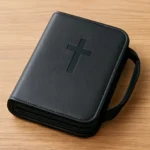
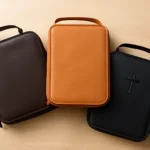
Choosing the right bible case or bible cover is more than a matter of style. It is about safeguarding the sacred text, organizing study tools, and ensuring portability for daily devotion, classroom use, or travel. Whether you call it a Scripture case, a Holy Bible case, a bible sleeve, or a bible pouch, the essential purpose remains the same: to protect the Bible from wear, moisture, and loss, while making it easy to carry and use in various settings. This guide provides a thorough look at how to evaluate options, what features matter, and how to balance durability, function, and price to find the best Bible case for your needs.
Across retailers and evangelical communities, different names are used for essentially the same product. The bible case family includes:
Bible case or bible cover—often a slim, form-fitting sleeve or a soft cover with a zipper or elastic closure.
Scripture case—a broader term that may refer to a protective pouch with organizational pockets for notes, bookmarks, or pens.
Holy Bible case—emphasizes reverence and often features more formal materials or designs.
Bible sleeve—a compact, lightweight option designed to slide the Bible in and out with minimal bulk.
Bible pouch—a small bag that can carry the Bible plus small accessories, sometimes with a strap for hands-free transport.
Bible carrier—a larger, more rugged option suited for travel, outdoor ministry, or educational use.
Scripture protector—a term used to highlight protective padding and weatherproofing.
When choosing among these variants, think about where you will use the Bible most often. A church or classroom may benefit from a durable bag or carrier with multiple pockets, while a student may prefer a compact sleeve that fits neatly in a backpack. For travelers, a weather-resistant case with secure closures is essential. Regardless of naming, the core features to prioritize are protection, fit, and accessibility.
Key Considerations When Choosing a Bible Case
To help you compare options effectively, here are the most important criteria to weigh. Each factor plays a role in the life of the Bible case you select, and in how long it will perform for you in real-world conditions.
Size and Compatibility
The first question is, what size Bible case do you need? Bible sizes vary widely—from compact personal editions to large study Bibles with wide margins and notes. A case that is too tight will bend or stress the spine; one that is too loose may allow the Bible to slide around and get damaged. Consider:
The format of your Bible (e.g., standard paperback, hardcover, study edition with binding, or oversized family Bible).
Whether you need space for additional items like a notebook, pens, highlighters, or a bookmarks set.
How often you will remove and replace the Bible from the case—if frequent, a lighter, easy-access sleeve may be preferable.
Whether you want the case to accommodate multiple volumes (for example, a Bible plus a concordance or a note book).
Measure your Bible’s dimensions (height, width, thickness) and compare with the product’s stated interior dimensions. Look for adjustable features such as elastic corners, adjustable straps, or expandable panels if you want more flexibility in fit.
Material and Durability
Materials determine resilience, weight, aesthetics, and maintenance. Common options include:
Leather (genuine or vegan) for a classic, professional look and long life with proper care.
Faux leather or PU leather for a budget-friendly, water-resistant option with varied textures.
Canvas or other natural fabrics for lightweight, casual use and easy cleaning.
Neoprene or soft synthetic padding to absorb impact and provide a slim profile.
Polyester or nylon shells for rugged, weather-resistant construction in travel-focused models.
Pay attention to stitching quality, edge finishing, and the presence of water resistance or waterproofing features. If you will be exposed to rain or humidity, consider waterproof zippers, sealed seams, and a lining that discourages moisture penetration. The right combination of materials can dramatically extend the life of your Bible case and protect against wear and tear from daily handling.
Protection goes beyond simple protection from dirt. It includes padding, lid design, and anti-slip features that secure the Bible in place. Key protective elements include:
Padding or foam inserts that cushion the spine and corners.
Rigid panels or semi-rigid exteriors to prevent crushing during transit.
Moisture barriers such as vinyl linings or coated fabrics.
Scratch protection on metal hardware to avoid scuffs.
Friction-resistant linings that reduce sliding and keep pages from abrading.
For active use—outdoor ministry, youth camps, or field trips—a rugged carrier with thick padding and a reinforced bottom is often worth the extra investment. For desk-bound study or Sunday school use, a lightweight sleeve with a soft interior may suffice while still offering reliable protection.
Closure Systems and Accessibility
How you access your Bible matters. Consider closure types and how they affect quick retrieval, security, and wear:
Zipper closures provide complete enclosure and are excellent for travel or outdoor use.
Magnetic snaps or hook-and-loop (Velcro) closures offer quick access but may wear over time and attract lint.
Snap flaps or buttons can add a classic look and secure the contents without bulk.
Elastic bands or corner pockets keep the Bible snug without fully sealing it.
The choice depends on how often you need to open the case, whether you want to carry other items, and if you require quick-draw access for read-throughs and devotions during sermons or classes.
Carrying Options and Comfort
Consider how you will transport the Bible case. Different designs offer different modes of carry:
Hand carry handles for short trips between pews and classrooms.
Shoulder straps or crossbody straps for hands-free transport and distribution among groups.
Backpack compatibility with a case that fits into a larger backpack or messenger-style bag.
Grip and handle ergonomics for comfortable long-term use, especially for those with frequent travels or ministry duties.
For daily use, a compact, lightweight carrier that can be tucked into a backpack or tote is often ideal. For ministry teams or weekend trips, a larger travel case with organizational pockets can save time and reduce the risk of misplacing small items.
Aesthetics, Personalization, and Respect
While durability and function are essential, the look and feel of a bible case can reflect personal or denominational identity, as well as the respect you have for the sacred text. Consider:
Color and finish that suit your setting (sanctuary, classroom, youth group, or outdoor ministry).
Religious motifs, logos, or scripture verses that align with your intent.
Custom embroidery, monograms, or branding options for churches, schools, or mission teams.
Maintenance implications of the chosen material with respect to cleaning and care.
Remember that personalization should not compromise durability or protective features. A well-chosen design balances aesthetics with practical considerations like grip, weight, and accessibility.
Materials: What to Expect from Bible Cases
Exploring the material landscape helps clarify trade-offs between style, feel, and resilience. Here is a more granular look at typical options.
Leather-bound cases offer a refined appearance, longevity, and a sense of durability that improves with age. They usually require some maintenance (conditioning) but reward care with enduring usefulness.
Faux leather provides a similar look at a lower cost and with often better water resistance and easier maintenance. It is a popular choice for everyday use and student environments.
Canvas and cotton fabrics are lightweight, breathable, and easy to clean. They work well for casual settings but may need extra padding or a waterproof lining for rain exposure.
Neoprene is soft, shock-absorbent, and good for protecting against minor drops and bumps. It tends to be flexible and compact, suitable for travel.
Technical materials (nylon, polyester) with ripstop fabric and reinforced stitching are common in rugged, travel-ready designs. They often feature weatherproof zippers and sealed seams.
When choosing materials, consider how much care you are willing to provide, how the case will be stored, and whether you want a product that ages gracefully or retains a consistently new look. For families or youth ministries, a stain-resistant material may be advantageous, while professionals may prefer a leather or faux-leather finish that conveys a sense of formality.
Size and Fit: How to Choose the Right Bible Case
The “fit” of a case is a combination of the Bible’s dimensions and the case’s interior layout. Consider these practical steps:
Record your Bible’s exact height, width, and thickness, including any additional materials (notes, ribbons, bookmarks) you typically carry.
Choose a case with interior dimensions that allow a little extra room for expansion, especially if you use study Bibles with extra margins or inserts.
Look for interior features like corner pockets and elastic bands to secure the Bible and prevent shifting.
Evaluate how many other items you need to carry—pens, highlighters, notepads, or a compact tablet—and ensure the design accommodates them without crowding.
In practice, most buyers choose between a slim sleeve for minimal carry or a folio-style case that opens to reveal multiple compartments. A sleeve is excellent for quick access and light travel, while a folio with pockets is ideal for those who want to stay organized during long study sessions or ministry events.
Protection versus Portability Trade-offs
There is a natural tension between protection and portability. A heavily padded, rugged carrier excels at defense against impact and moisture, but it adds weight and bulk. A slim, minimalist Bible case is easy to carry but offers less cushion and fewer storage options. Your choice will hinge on personal preferences, your typical environment, and how often you transport the Bible in adverse conditions.
Protection and Longevity: Guarding Your Sacred Text
Preserving the integrity of a Bible requires more than a sturdy exterior. Consider:
Spine protection to prevent cracking or warping from bending in a bag or during long-term shipping.
Corner reinforcement to shield the most vulnerable parts from drops and abrasions.
Moisture barriers for humid climates, rainy seasons, or incidental spills.
Inside padding that cushions against impact when placed in a backpack or tote.
Lint and snag resistance with smooth linings and hardware-free interiors to reduce risk of page damage.
For people who travel frequently, a waterproof case with sealed seams and tough hardware can be well worth the investment. For desk-dedicated use, a soft, padded sleeve may be sufficient, provided you store the Bible away from sharp edges and direct sun exposure that can fade cover materials over time.
Features to Look For in a Bible Cover
Beyond basic protection, many buyers look for features that enhance organization, ease of use, and customization. Here are common, useful features to consider:
Inner pockets for notes, sermon outlines, or bookmarks.
Pen holders or pocket slots for writing tools and highlighters.
Removable dividers to tailor space for different study materials.
Elastic corner straps to secure the Bible in place without adding bulk.
Removable shoulder strap for flexible carrying options.
Dust cover or protective outer shell to prevent surface wear when the case is not in use.
For liturgical or ministry contexts, consider cases with a professional finish and a design that can withstand regular use in schools, churches, and community events. For personal devotion, you may prioritize a design that expresses your style while maintaining practicality.
Practical Scenarios: Selecting a Bible Case for Different Uses
The right Bible case can differ greatly depending on the setting. Here are several scenario-based recommendations to help you decide.
Church and Study Environments
In church and classroom settings, you may need a sturdy, organized carrier that can hold a Bible, sermon notes, and writing tools. Look for:
Medium to large size with extra pockets for sermon outlines or student worksheets.
Durable exterior to resist frequent handling and occasional drops.
Secure closures that keep contents from shifting during transit and while moving between rooms.
Subtle, professional aesthetics suitable for formal settings or denominational branding.
For Sunday school teachers or pastors who carry multiple items, a case labeled with the church’s name or denomination can provide a sense of identity and pride while staying functional.
Travel and Outdoor Ministry
Travelers and field workers require rugged durability and weather protection. Features to seek include:
Waterproof or water-resistant shells and sealed seams.
Thick padding and reinforced bottoms to absorb impacts on planes, buses, or dirt roads.
Lightweight design that reduces fatigue during long days of ministry or sightseeing.
Easy-clean surfaces for quick maintenance after outdoor events.
In these contexts, you may also appreciate a shoulder strap or crossbody style to distribute weight evenly when you are moving quickly between locations.
Kids, Students, and Personal Devotion
Younger users often prioritize colorful options, kid-friendly materials, and practical features like built-in organizers and easy-clean fabrics. Consider:
Casual materials such as canvas or neoprene with vibrant colors.
Internal pockets for coloring pencils, bookmarks, and study guides.
Lightweight, forgiving closures that children can operate independently.
For personal devotion, a sleeve or compact case that fits easily inside a backpack or bag makes daily reading more accessible, encouraging regular practice without the burden of excess weight.
Maintenance and Care: Extending the Life of Your Bible Case
Keeping your Bible case in good condition protects your Bible itself and ensures the case remains functional for years. Here are practical care tips:
Follow the manufacturer’s care instructions for the material. Leather may require conditioning; fabric cases may benefit from spot cleaning.
Wipe down the exterior regularly to remove dust and oils from handling.
Avoid exposing cases to direct sun for long periods, which can fade colors and degrade materials.
Store the case in a cool, dry place when not in use to prevent mildew and material deformation.
Remove items before cleaning to prevent damage to interior fabrics and hardware.
If the case has a rain cover or waterproof layer, ensure it remains functional after cleaning.
With proper care, leather- or faux-leather cases can develop a patina that many owners find appealing, while fabric and neoprene models retain their shape and color with regular cleaning and storage.
Price, Brands, and Where to Buy
Prices for Bible cases span a wide range, reflecting materials, features, and brand reputations. Here are general guidelines to help you budget wisely:
Budget options (often canvas, basic zippers, and simple closures) provide reliable protection at a lower price point, typically in the range of $10–$30.
Mid-range models with better padding, multiple pockets, and durable fabrics usually cost between $30 and $70.
Premium options (genuine leather, leatherette with high-end finishes, or specialty brands) can range from $70 up to $200 or more, especially for name-brand or church-branded products.
When shopping, consider reputable brands known for durability and good customer service, as well as retailers that offer clear product descriptions, interior measurements, and easy return policies. If you are purchasing for a church, school, or ministry, look for bulk pricing, customization options (like embroidery), and warranties that cover wear and tear.
Where to buy varies by location and preference. You can find Bible cases in:
Religious bookstores, which often carry a curated selection of bible covers and related accessories.
Church supply stores, handy for bulk orders and branding options.
Online retailers with extensive customer reviews, allowing you to compare materials, dimensions, and features.
Specialty ministry catalogs that tailor products for youth groups, mission teams, or discipleship programs.
Reading customer reviews can provide insights into real-world durability, fit, and maintenance needs for specific models, helping you avoid common pitfalls such as zipper failures or unexpected sizing issues.
FAQs: Quick Answers for Choosing a Bible Case
What size Bible case should I choose for a standard study Bible?
Choose a case with interior dimensions that are slightly larger than your Bible’s measurements and allow space for notes or a slim notebook. A folio-style case with extra pockets is often ideal for study Bibles and personal notes.
Are leather Bible cases worth the extra cost?
Leather offers durability, a classic aesthetic, and often longer life with proper care. If you value longevity and a professional look, a leather or high-quality faux-leather option can be worth the investment.
Is it better to buy a case with padding or a rigid shell?
Padding provides impact absorption for everyday use, while a rigid shell offers stronger protection against crushing. For minimal travel, padding plus a well-fitted interior is usually sufficient; for frequent travel or outdoor ministry, a rugged shell may be preferable.
Can I use a Bible case to carry other items besides the Bible?
Yes. Many cases include pockets and organizers for notebooks, pens, and other study tools. If you need space for a tablet or a small devotional, choose a model with expandable compartments and secure closures.
Final Word: Making a Wise Choice
When you evaluate a bible case or any of its many cousins—whether you call it a bible cover, a scripture case, a holy Bible case, or a bible sleeve—the goal is to align protection, fit, and ease of use with your lifestyle and priorities. A well-chosen Bible case will protect the sacred text from moisture, dust, and impact, while offering practical organization for study materials, and flexible carrying options for church, school, travel, or home use. By considering the size and compatibility, materials and durability, protection features, closure systems, carrying options, and aesthetics, you can identify a model that will serve you well for years to come. Whether you’re seeking a light, portable Bible sleeve for daily devotion or a robust, weather-ready carrier for mission trips, the right choice is within reach. Remember to prioritize fit and protection first, then weigh comfort, portability, and price to find the best Bible case for your specific needs, preferences, and budget.