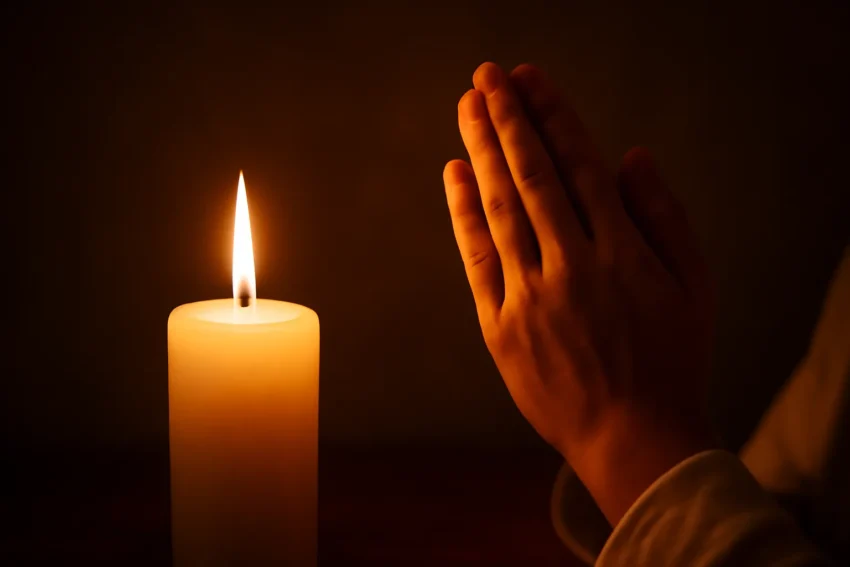
Introduction to Candle Prayer: A Beginner’s Guide to Using Light for Healing, Focus, and Inner Peace
Candle prayer is a simple, centuries-old practice that centers on a single source of flame to ground the mind, soothe nervous energy, and invite a sense of inner peace. While it may be framed in religious contexts, its core value lies in the human relationship with light—how a small, steady flame can become a mirror for our own thoughts, emotions, and intentions. This beginner’s guide is designed to introduce you to the practice in a practical, secular-friendly way, while also acknowledging the various cultural and spiritual expressions that use light as a symbolic ally for healing and focus.
In this guide you will find explanations of what candle prayer is, how to prepare a safe and quiet space, steps for a foundational practice, and a selection of variations that can be adapted to different beliefs, preferences, or routines. Whether you seek steady concentration, relief from stress, or a pathway to mindful reflection, the humble candle can serve as a reliable anchor for your day.
What is Candle Prayer?
At its heart, candle prayer is a ritual act that uses light as a focal point. The flame of a candle can help reduce mental chatter by providing a concrete object for attention. When the mind begins to wander, returning attention to the flame creates a gentle form of mindfulness—a nonjudgmental awareness of present moment experience. Over time, this practice can contribute to greater clarity, calmer emotions, and a more deliberate sense of purpose.
Key ideas behind candle-based practices
Attention anchoring: The flame acts as a stable anchor for the senses and the mind.
Symbolic light: Light is a symbol of awareness, warmth, and healing potential.
Intention setting: Lighting a candle often accompanies a deliberate intention or prayer, turning a quiet moment into a purposeful practice.
Tempo and rhythm: The steady glow creates a rhythm that can influence breath and emotion.
Nonverbal experience: You can practice with or without words, letting the atmosphere carry the meaning.
Different traditions may frame candle prayer with additional steps or prayers, but the underlying principle remains the same: to invite presence, cultivate focus, and nurture a sense of healing through the simple act of watching a flame.
Preparing Your Space: Creating a Safe and Quiet Environment
A calm setting enhances your practice by reducing external distractions and signaling to your nervous system that this is a time for rest and recovery. Begin by arranging a small, tidy space where you can sit comfortably with the candle within sight at eye level or slightly below, so the flame is easy to observe without straining the neck.
Safety first: essential guidelines
Never leave a burning candle unattended. Extinguish the flame before you stand up or leave the room.
Place candles on a stable, nonflammable surface away from curtains, papers, or fabric.
Trim the wick to about 1/4 inch before lighting to reduce soot and uneven flames.
Keep candles away from children and pets and ensure the area is well-ventilated but not drafty, which can cause the flame to flicker.
Have a safe means of extinguishing (a snuffer or a spoon) available if you need to dampen the flame quickly.
Choosing the right candle for your practice
Size: A small to medium candle is often perfect for beginners, as it provides a readable flame without overwhelming the senses.
Wax type: Soy or beeswax candles burn cleanly and are a good option for longer sessions; beeswax can have a slightly longer burn time and a gentle aroma, depending on additives.
Aroma: If you are sensitive to scents, choose unscented candles to avoid fragrance-induced distraction; if you enjoy scent, use a light, natural aroma that does not overpower your thoughts.
Color symbolism: Some people prefer white for neutrality, others choose colors that represent their intention (e.g., blue for calm, green for healing, gold for manifestation).
Take a few slow breaths to settle your body and mind.
Hold a small, concrete intention in mind, such as “I seek calm and steady focus” or “I invite healing into this moment.”
Light the candle and observe the first gentle glow as a signal that the practice is beginning.
Decide on a rough duration (5–15 minutes for beginners) and commit to that period.
The Beginner’s Practice: A Step-by-Step Candle Prayer Routine
This section provides a structured sequence you can follow on your first several sessions. It emphasizes a calm, unhurried pace and a focus on the breath, the flame, and your internal experience. You can adjust the timings to fit your schedule, but aim for a consistent routine to build familiarity and trust with the practice.
Foundational sequence (5–10 minutes)
Prepare: Sit comfortably with your back upright but not stiff. Place your candle within sight. If desired, place a small mat beneath you to increase comfort.
Inhale and Exhale: Begin with 4 slow breaths in through the nose and out through the mouth, letting tension melt away with each exhale.
Soften the gaze: Softly gaze at the flame. If your eyes get fatigued, close them for a moment and return to the flame on the next breath.
Observe the flame: Notice the flame’s shape, the way the wick glows, and how the light fills the surrounding space. Let this observation be a nonjudgmental conversation with the present moment.
Set your intention: Silently state your intention for the practice. It might be healing, clarity, or simply “presence.”
Continue to breathe: Maintain a regular breath, counting each inhale and exhale to maintain rhythm if helpful.
Release and rest: When your timer signals the end, close your eyes briefly and absorb the sense of stillness before gently returning to daily activity.
Extended practice for focus and calm (10–20 minutes)
Follow the initial steps above to settle in, then deepen your breath with an equal count (4 counts in, 4 counts out).
Shift your attention from the flame to a sense of warmth that radiates outward from the chest or solar plexus, noticing any sensations without judgment.
Integrate a short body scan from head to toes, pausing at areas of tension and breathing into them to invite release.
If thoughts arise, acknowledge them briefly and return your attention to the flame or to the breath—this is the core of the practice: gentle attention, not suppression.
Conclude with a closing reflection: mentally thank the moment, the candle, and yourself for showing up with care.
Variations of Candle Prayer: How to Adapt the Practice to Your Beliefs and Preferences
The concept of prayer or ritual lighting can be adapted across many traditions and secular approaches. Below are several variations of candle prayer that you can try, either as standalone routines or integrated into daily life. Each variation retains the core idea of using light as a focal point and a container for intention.
Candle prayer in a secular mindfulness framework
In a non-religious setting, you can treat lighting a candle as a ritual of mindful presence. The emphasis is on sensory awareness, breath, and the deliberate act of pausing. You might name the practice “candle mindfulness” or “light-based meditation”, focusing on the flame as a real, observable phenomenon without invoking any particular creed.
Christian-inspired candle liturgy
In Christian contexts, lighting a candle can accompany a prayer or a moment of reflection. It may serve as a reminder of the divine light or the presence of the sacred. You can combine a brief spoken prayer with the quiet observation of the flame, using phrases like “Let your light shine within me” or “Guide my heart toward peace.” The structure can be brief or extended, depending on personal comfort and tradition.
Buddhist-inspired lamp offering and monochrome focus
Some practitioners cultivate a practice in which the candle flame functions as an object of concentration during a sit. This approach aligns with traditional mindfulness of breathing and jhana-like calm states. The emphasis is on nonjudgmental awareness—watching the flame as a proxy for inner experience, while labeling thoughts softly (e.g., “thinking,” “feeling”) and returning to the flame.
Hindu puja lamp and devotional practice
In Hindu rituals, a lamp (usually a small oil lamp) is lit in front of an altar as an offering to the divine, symbolizing the victory of light over darkness. Candle-based versions can adopt a similar approach: light the lamp, offer a short line of devotional intention, and observe the flame with reverence and gratitude. The ritual can be simple and intimate, designed to center gratitude and calm.
Winds of variety: cultural warmth and personal adaptation
Other traditions, including secular humanism or indigenous-inspired practices, may incorporate candles as symbols of memory, healing, or community. The form remains flexible: choose a candle, define a personal meaning, and allow the flame to anchor your attention. The flexibility of candle prayer is one of its strengths, making it accessible to people with diverse beliefs and backgrounds.
Healing, Focus, and Inner Peace: What Candle Prayer Can Do
The practice is not a substitute for professional medical treatment, but many people report meaningful benefits when they cultivate a routine of quiet attention. The central advantages are often described as improvements in emotional regulation, cognitive clarity, and a more resilient sense of well-being.
Healing and regulation
The slow, intentional breath that typically accompanies candle prayer can activate the parasympathetic nervous system, fostering a sense of safety and relaxation. When stress hormones recede, bodily systems often recover more efficiently, which may support sleep, digestion, and immune function over time. The candle flame becomes a symbol of healing potential you invite into your life each day.
Focus and cognitive consistency
Regular practice trains attention: with consistency, you may notice that returning to the flame becomes natural and automatic in moments of distraction outside the practice. This improved focus can translate into steadier concentration during work, study, or any task that requires sustained attention.
Inner peace and emotional resilience
By giving space for feelings and practicing nonjudgmental awareness, candle prayer can help lessen the intensity of anxious thoughts and emotional reactivity. The ritual fosters a compassionate stance toward oneself, which is often a precursor to lasting inner peace.
Practical Tools and Tips for Your Candle Prayer Kit
A small, well-organized kit can make your practice easier and more enjoyable. Here are some suggestions for assembling a starter set that supports consistency and comfort.
What to include in your candle prayer kit
Candle (unscented or lightly scented, depending on your preference)
Matches or a lighter
There is a safe holder or plate to prevent wax spills
Wick trimmer or scissors for neat burning
Timer or a simple clock to guide your duration
Notebook or journal for reflective writing after practice
Optional calm elements: a small bell, a soft scarf for warmth, or a piece of quiet music (low volume, if you prefer)
Creating a routine that sticks
Choose a fixed time each day for your candle practice (e.g., after waking or before bed).
Keep the candle in a dedicated space to reinforce habit formation.
Pair the practice with a short journaling routine to capture insights and progress over time.
Gradually increase the duration if you feel comfortable, but avoid extending beyond your capacity to stay present without strain.
Common mistakes to avoid
Rushing the practice: Allow a slow, deliberate pace; speed undermines presence.
Overstimulation: Avoid adding too many scents, sounds, or visual stimuli that distract from the flame.
Judging the experience: The goal is gentle attention, not perfect stillness or forced tranquility.
Ignoring safety: Do not leave a candle burning in a risky setup; always extinguish properly.
Building a Personal Practice: A 21-Day Plan
Consistency matters when developing any new habit. The following plan offers a gradual path to embed candle prayer into daily life. You can adjust the pace to fit your schedule, but the aim is to reach a point where the practice feels familiar, reliable, and restorative.
Days 1–3: Short sessions, 5 minutes each day. Focus on the flame, breathing, and a single intention.
Days 4–7: Increase to 7–8 minutes. Add a brief body scan at the beginning or end.
Days 8–14: Sessions last 10–12 minutes. Introduce a simple journaling prompt afterward, such as “What did I notice today about breath or attention?”
Days 15–21: 12–15 minutes. Experiment with a second variation (e.g., a shorter, midday session or a longer evening practice with reflective writing).
After Day 21, you can reassess and decide whether to sustain the routine at a similar length or to adapt it to changing circumstances. The key is consistency and a commitment to honoring your own pace and needs.
Guided Prompts, Phrases, and Sample Scripts
If you enjoy speaking words aloud or silently, you can use short prayers or prompts to deepen the experience. Below are some examples you can adapt. Feel free to modify language to reflect your personal beliefs or preferences.
“Be here now.” A simple anchor to bring attention to the present moment.
“May this light guide me toward calm and clarity.”
“I invite healing and gentleness into this space.”
“Let my breath mirror the flame: steady, soft, enduring.”
Longer practice script (optional)
If you wish to perform a longer, more devotional session, you can use a brief script like this. Adapt the words to your own voice and context:
In the light of this candle, I pause from my day. I acknowledge the breath that sustains me and the heart that holds my moments. May this flame illuminate my thoughts with gentleness, my body with calm, and my spirit with resilience. I release what no longer serves me and welcome what nourishes my healing. May I move forward with clarity, compassion, and peace. So be it.
Journaling prompts to accompany candle practice
What did I notice about my mind during the practice?
Did certain thoughts recur, and how did I respond?
What sensations arise in the body as I observe the flame?
What tiny shifts in mood or energy did I observe after the session?
What intention feels most meaningful for tomorrow?
Common Obstacles and How to Overcome Them
Distraction and restless thoughts
It is normal for the mind to wander when you start a candle-based practice. Rather than judging yourself, acknowledge the distraction briefly and return attention to the flame or breath. A simple phrase like “back to the flame” can become a helpful cue.
Lack of time
If your schedule is tight, scale your practice to 3–5 minutes and treat that as a non-negotiable anchor in your day. Even short sessions—consistently repeated—can yield meaningful benefits over time.
Safety concerns
Revisit safety guidelines regularly. If you are in shared spaces, communicate with others about your practice and ensure that candles are placed where they cannot be accidentally touched or knocked over.
A feeling of superficiality
If the ritual initially feels surface-level, deepen it gradually by adding a brief inquiry at the end of your session, such as: “What does my body most need right now?” or “What one action could support my wellbeing today?” The process becomes richer as you return to it with honest curiosity.
Frequently Asked Questions (FAQ)
Is candle prayer only for people who are religious?
No. While candle lighting is present in many religious traditions, the practice described here emphasizes light as a symbolic tool for attention, healing, and presence. You can use it in a secular way or within your own spiritual framework.
How long should I practice the first time?
For beginners, 5–10 minutes is a good starting range. As your comfort grows, you may gradually extend the duration to deepen the sense of calm and focus.
Experience with mindfulness-based practices varies from person to person. Some people notice subtle shifts in mood, sleep, or concentration after a few weeks. Be patient and consistent, and try adjusting the candle’s position, lighting duration, or breathing technique to find what resonates most.
Can I replace a real flame with a LED candle?
LED candles can offer a safe alternative, especially in environments where an open flame is not practical or permitted. The key is maintaining the sense of presence and the symbolic focus on light. If you choose LED, you can still engage with intention, breath, and reflection in meaningful ways.
Conclusion: Embracing Light as a Companion on Your Path
Candle prayer invites a quiet companionship with light, so you may cultivate healing, sharpen focus, and cultivate lasting inner peace. By developing a routine—whether you call it candle mindfulness, candle-lit meditation, or a more devotional candle ritual—you give yourself a dependable tool for self-care that fits into everyday life. Remember that the flame is not a magical fix; it is a symbol and anchor that supports you as you attend to your breath, your emotions, your thoughts, and your intentions.
The journey is personal and iterative. Start with a small, comfortable practice, honor your pace, and let the flame illuminate your path toward greater serenity and resilience. With time, you may find that the simplest act—lighting a candle and watching the flame—becomes a trusted doorway to greater clarity, steadiness, and a more compassionate relationship with yourself and the world around you.