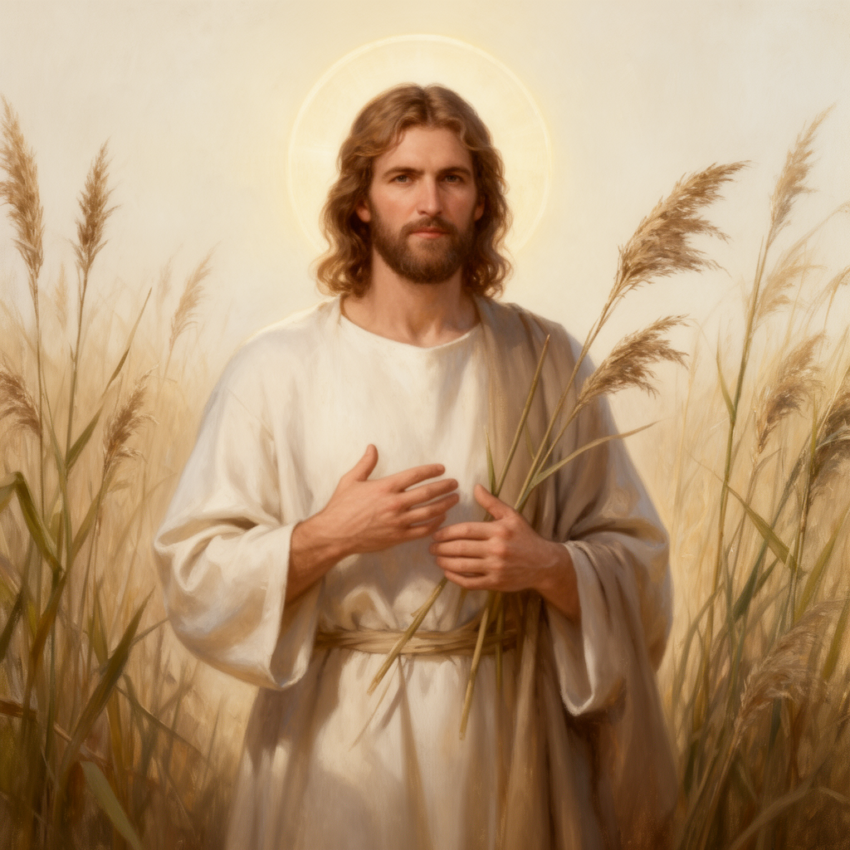
The bulrush in biblical contexts is often linked to reed-like plants growing near water. Modern candidates include Cyperus papyrus, a tall, aquatic sedge reaching up to 4 meters, with feathery, umbrella-like clusters of flowers and thick rhizomes. Alternatively, Scirpus lacustris (Lake Bulrush) is a monocot with tall, slender stems and tufted flower heads. These plants thrive in marshy, freshwater environments and possess fibrous stalks used by humans. Their lush, green foliage and dense growth habit create habitats for aquatic life, and their appearance changes through seasons, from lush growth to seed production. They grow best in warm, moist soils with abundant water, prevalent throughout the Nile Delta, Middle East, and Mediterranean regions.
Native to wetlands, marshes, and riversides across the Nile Delta, Middle East, and Mediterranean basin, these plants favor warm, humid climates with rich, silty soils near freshwater sources. They are especially prevalent along Nile waterways, marshlands, and lake margins.
First Biblical Mention
Exodus 2:3 — When Pharaoh’s daughter finds Moses in a basket woven from bulrushes.
📖 Biblical References
Reference
Context
Significance
Exodus 2:3
Pharaoh’s daughter finds baby Moses in a basket made of bulrushes among the reeds by the Nile.
This event associates bulrushes with protection, refuge, and divine providence, symbolizing life emerging from water and the deliverance of Israel.
Isaiah 19:6
Describes the Nile’s reeds withering and water sources drying up.
Highlights themes of ecological change and divine judgment, using the bulrush as a symbol of natural abundance and vulnerability.
Psalm 80:8
The psalmist depicts Israel as a vine planted by God, with the bulrush represented as a transplanted plant in water.
Symbolizes spiritual renewal, divine care, and the importance of water for life and growth.
The bulrush symbolizes resilience, divine protection, and renewal amid adversity. Its roots in water denote the importance of divine sustenance and spiritual nourishment. The plant’s association with Moses’ rescue underscores themes of salvation and divine intervention. In biblical imagery, bulrushes represent both vulnerability and hope—a plant that thrives in water, illustrating dependence on divine grace. As a symbol of humility and refuge, it also reflects the idea of being raised from obscurity into divine purpose. Throughout Scripture, it embodies renewal, divine protection, and the sustenance provided by water—life-giving, fragile yet resilient, and deeply intertwined with spiritual salvation narratives.
🏺 Cultural Uses in the Ancient World
Ancient Israelites and Near Eastern peoples utilized bulrushes for various purposes. They made woven baskets and mats for storage, coverings, and even temporary shelters. The fibrous stalks served as raw materials for boat-building and watercraft. In some traditions, the reeds were used medicinally or in ritual contexts, symbolizing purification and renewal. The papyrus plant, closely related, was crucial for writing materials, trade, and record-keeping in Egypt. Its widespread use in constructing watercraft and household items highlights its economic importance, while its spiritual symbolism is reflected in rituals emphasizing water and life.
✡️ In Jewish Tradition
In Jewish tradition, the bulrush is linked to themes of water and salvation, as in the story of baby Moses. Midrashic texts sometimes emphasize its role as a protective covering in Egypt's Nile, symbolizing divine care. Its association with water also ties it to purification rituals, and its use in constructing Biblical-era containers echoes its practical significance. Though not central to festivals, it remains a symbol of hope, divine protection, and the miracle of deliverance, illustrating God's providence towards Israel in times of peril.
Christian interpretations often view the bulrush as a symbol of spiritual renewal, humility, and salvation. Early Christian writers connected it to the idea of new life emerging from water, echoing baptismal symbolism. Its resilience reflects faith’s endurance through trials, and its watery origins symbolize the cleansing power of divine grace. The image of Moses in a basket among bulrushes is also seen as prefiguring Christ’s salvation, emphasizing deliverance through water and divine intervention.
🔬 Modern Botanical Identification
Scholars generally identify the biblical bulrush with Cyperus papyrus or related sedges like Scirpus lacustris. There is no complete consensus, partly due to regional plant variations. Some suggest the use of locally available reed species that resemble the biblical descriptions. The papyrus plant is a strong candidate given its prominence in Egypt and its water-loving habitat, reinforcing the ancient and biblical connections.
🗺️ Where Is It Found Today?
Today, Cyperus papyrus can still be found flourishing along the Nile River, in Egypt, Israel, and the broader Middle East. Its natural habitat includes marshes, swampy areas, and riverbanks, making it accessible in protected wetlands across these regions. Conservation efforts help preserve these habitats, maintaining the plant’s biblical and ecological significance.
❓ Frequently Asked Questions
Is the biblical bulrush the same as the modern papyrus?
Likely yes, as both are water plants used historically for building and writing, and the biblical descriptions match Cyperus papyrus. However, some scholars debate whether other reed species could also be meant.
What role did bulrushes play in biblical stories?
Bulrushes served as protective storing places for baby Moses and symbolize divine rescue and renewal throughout Scripture, representing hope emerging from water.
Can bulrushes be found outside of the Middle East today?
Yes, they are cultivated in water gardens and wetlands worldwide, including parts of North America, Africa, and Asia, where suitable aquatic habitats exist.
✨ Did You Know?
Papyrus was one of the earliest materials used for writing scrolls, dating back to ancient Egypt over 5,000 years ago. Archaeological finds of papyrus scrolls have provided invaluable insights into early civilizations and biblical history, linking the plant to literacy and knowledge transmission.