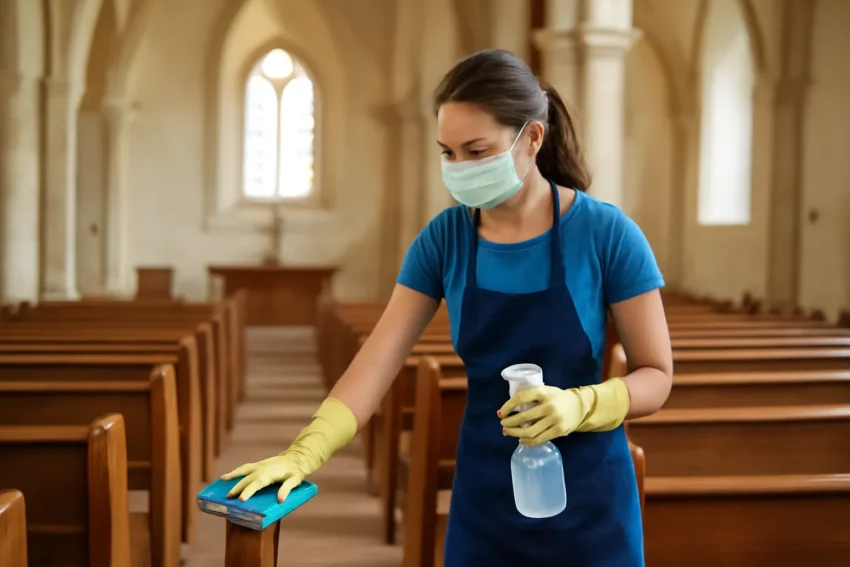
Church Cleaning: Safe Cleaning Practices for Churches
In many communities, a church is more than a building—it is a center of worship, gathering, and service. Keeping such a space clean is not only about aesthetics; it safeguards health, preserves sacred objects, and demonstrates hospitality to visitors and regular attendees alike. This article outlines safe cleaning practices for churches, with practical guidance that can be adapted to parishes of all sizes, from small chapels to large cathedrals. We will explore how to plan, implement, and sustain cleaning programs that respect the sanctity of the space while protecting the people who use it.
Whether you are a church administrator, a facilities manager, a volunteer coordinator, or a church member taking on a cleaning role, this guide is designed to be actionable. It emphasizes risk assessment, proper product use, personal protection, and organizational systems that help maintain a healthy, welcoming environment without compromising religious objects, fabrics, or ceremonies. Throughout, you will encounter variations of church cleaning terminology—sanctuary maintenance, house of worship housekeeping, parish cleaning, and other phrases—to reflect the broad range of how congregations describe their spaces.
Why safe cleaning matters in houses of worship
Churches host a wide spectrum of activities: daily prayers, weddings, funerals, youth programs, community meals, and outreach events. This diversity creates unique cleaning challenges, including:
High-traffic areas such as entrances, narthex, aisles, and pews, which accumulate dust, fingerprints, and spills.
Commonly touched surfaces like door handles, light switches, railings, and altar items that require frequent disinfection or sanitization.
Delicate artifacts, fabrics, and sacred vessels that demand gentle cleaning methods to avoid damage.
Spiritual and ceremonial spaces where maintenance must be discreet, respectful, and non-intrusive.
Volunteer or staff schedules that require safe, scalable procedures so people of varying experience can participate.
With these considerations in mind, safe cleaning practices aim to minimize risk, protect vulnerable populations (such as children, elderly worshippers, and people with allergies or sensitivities), and extend the life of materials and furnishings found in faith communities. The goal is cleanliness that supports worship and service, not just cleanliness for its own sake.
Fundamental principles of safe cleaning for sacred spaces
Establishing a robust framework begins with clear principles. Below are core ideas that underpin effective, respectful church cleaning programs:
Protection of health and safety for all building users, volunteers, and staff.
Adequate training for anyone involved in cleaning activities, including volunteers and contractors.
Thorough risk assessment to identify hazards, such as wet floors, chemical storage, or fragile artifacts, and to plan mitigations.
Use of approved products and standard operating procedures (SOPs) that align with local regulations and church policy.
Environmental stewardship through green cleaning practices, waste reduction, and responsible chemical management.
Respect for sacred objects and areas, ensuring procedures do not compromise liturgical items, linens, or ceremonial spaces.
Consistency and sustainability via routine schedules, checklists, and documented guidelines that volunteers can follow over time.
Adopting these principles facilitates a cleaning program that is predictable, scalable, and respectful of the spiritual character of the building. In many churches, the blessing of shared spaces is entwined with practical care, so it helps to view cleaning as a form of service to the congregation.
Key areas of a church and how to clean them safely
A church contains a wide range of spaces, each with its own cleaning requirements. Below are typical zones and recommended approaches:
Sanctuary and altar area
The sanctuary often includes the altar, lectern, pulpit, candlesticks, chalices, and delicate fabrics. Cleaning in this area should balance reverence with practicality:
Dust surfaces regularly using a microfiber cloth to minimize shedding and to prevent damage to gilding or lacquer.
Avoid harsh chemicals near liturgical objects; test any cleaner on a small, inconspicuous spot first and use non-abrasive, mild cleaners.
Wipe down hard surfaces around the altar with a damp cloth only; never spray liquids directly onto ceremonial items.
Dust and care for textiles such as paraments and banners in ways that do not disturb their arrangement or colorfastness.
Reset lighting and acoustics safely, ensuring cords, wires, and equipment are clear of the cleaning path to prevent accidents during ceremonies.
For occasions with special liturgical colors or ceremonial garments, coordinate with clergy or liturgical coordinators to schedule cleaning during appropriate times, ideally when the space is not in active use.
Pews, carpets, and upholstery
Pews, carpets, and upholstery accumulate dust, dander, and spills. A careful approach helps prolong the life of fabrics and furniture while contributing to the overall ambiance:
Vacuum regularly using a high-quality vacuum with a HEPA filter to capture fine particles without dispersing them into the air.
Spot-clean stains promptly with cleaners appropriate for fabric type; test on a hidden area first to prevent color bleed.
Avoid excess moisture on fabric surfaces to prevent mold growth and warping of seating components.
Move items cautiously when cleaning around pews to protect nails, fasteners, and wood finishes.
Use entrance mats and absorbent runners at thresholds to minimize dirt brought into the worship space.
Regular maintenance is key; in many churches, pew cleaning is coordinated with service schedules to minimize disruption during peak worship times.
Restrooms, kitchens, and drinking fountains
These are high-traffic areas requiring frequent attention. The objective is to maintain cleanliness while reducing the potential for contamination and slip hazards:
Develop a cleaning rotation that provides multiple daily touches for restrooms and kitchens during busy seasons.
Disinfect high-touch surfaces such as door handles, faucets, light switches, and push buttons using EPA-approved products that are safe for public spaces.
Ventilation matters – ensure exhaust fans operate properly and that cleaning products do not accumulate in poorly ventilated spaces.
Keep supplies organized in durable, labeled bins to prevent cross-contamination and to speed up cleaning tasks.
Respect food service areas in fellowship kitchens; separate cleaning protocols may be required for food contact surfaces and equipment.
When cleaning after meals or events, plan for open windows and air flow if possible to improve drying times and reduce lingering chemical odors.
Fellowship halls, classrooms, and offices
These spaces support a broad array of activities and may house sensitive equipment, children’s programs, and office workflows. Cleaning here should balance efficiency with safety:
Organize cleaning by zones to reduce movement of people through occupied areas during cleaning operations.
Clear clutter before mopping or vacuuming to avoid jams in equipment and to reduce trip hazards.
Electronic devices such as projectors, audio equipment, and computers require gentle cleaning and avoidance of liquids on electrical components.
Soft surfaces like curtains, cushions, and bulletin boards may require periodic dusting or gentle vacuuming with appropriate attachments.
Storage and inventory for cleaning supplies should be kept in a lockable closet or room, away from food and children’s areas when possible.
Outdoor entrances and narthex
Entrance areas are the first impression of a church and often see the greatest traffic and dirt. A practical approach includes:
Regular exterior cleaning to remove pollen, dust, and debris that can be tracked inside.
Mat maintenance including cleaning or replacing door mats to minimize moisture and dirt.
Wet floor signage and prompt cleaning after rain or snow to prevent slips.
Community notice alignment by posting cleaning schedules or safety notices where congregants can easily see them.
Cleaning products, tools, and safety data
Choosing the right products and using them correctly is essential for safe cleaning practices in churches. The following guidance helps ensure cleaning agents are effective while minimizing risks to people and materials:
Use only approved cleaners that are compatible with your surfaces and are compliant with local regulations or church policies. Avoid products with harsh solvents on delicate finishes unless specifically recommended by manufacturers.
Check labels and SDS (Safety Data Sheets) for each product. Be aware of ingredient hazards, proper storage, first-aid measures, and recommended ventilation.
Do not mix cleaning chemicals unless the manufacturer explicitly approves the combination. Mixing certain cleaners can produce toxic gases or hazardous reactions.
Label all containers and store chemicals in their original containers or clearly labeled secondary containers to prevent misapplication.
Ventilation should be considered when using chemical cleaners; keep doors and windows open where feasible and use fans to improve air exchange, particularly in enclosed rooms.
Environmental considerations – favor green cleaning products that are low in volatile organic compounds (VOCs) and biodegradable where possible, without compromising effectiveness.
Cleaning tools – select microfiber cloths, non-abrasive pads, and appropriate brushes. Use separate cloths or color-coded towels for different areas (restrooms, kitchens, sanctuaries) to reduce cross-contamination.
Equipment maintenance – keep mops, buckets, vacuum cleaners, and floor machines clean and in good working order. Regularly inspect cords and plugs for damage to prevent electrical hazards.
Personal protective equipment and hygiene
Proper PPE protects cleaners and church users. Depending on the tasks, consider the following:
Gloves – disposable or reusable gloves to protect hands from chemical exposure and moisture. Change gloves between tasks or if they become contaminated.
Eye protection – safety glasses or goggles when splashing or spraying cleaners is possible, especially in restrooms or kitchens.
Masks or respirators – for activities with strong fumes, dust from carpets, or when using products with airborne particulates. Mask use should align with current health guidelines and product recommendations.
Appropriate footwear – non-slip, closed-toe shoes with good support reduce slip hazards in wet areas.
Hand hygiene – wash hands after cleaning and before handling food or feeding activities, particularly in a church with childcare programs.
Training should cover how to wear and dispose of PPE properly, how to recognize chemical odors and symptoms of exposure, and what to do in case of a spill.
Creating a cleaning schedule and workflow
Effective church cleaning relies on a well-structured schedule that fits the rhythm of worship and community activities. Consider these guidelines to create a practical workflow:
Assess space usage to determine when spaces are vacant and suitable for cleaning. Prioritize spaces used simultaneously by different groups to avoid conflicts.
Prioritize safety-first routines (wet floor prevention, door openings, and cord management) to prevent accidents during cleaning sessions.
Develop daily, weekly, and monthly tasks and assign responsibilities. A simple framework might include daily surface wipes, weekly vacuuming and restroom cleaning, and monthly deep cleaning of floors and high surfaces.
Use checklists for each area to ensure consistency and accountability. Digital checklists can be shared with volunteers and staff.
Consider event-driven tasks for weddings, funerals, or community events, which may require additional sanitization, surface care, or odor control measures.
Plan for seasonal variations such as pollen in spring, mold in damp basements, or increased traffic during holidays, and adjust routines accordingly.
Train new volunteers in a structured onboarding process and pair them with experienced cleaners to build confidence and skill quickly.
A successful program also includes a feedback loop: collect input from church staff, volunteers, and congregants about cleanliness and odor, then refine procedures as needed. Communicating cleaning goals and progress reinforces shared responsibility and helps sustain the program over time.
Cleaning for special events and seasonal considerations
Special occasions require mindful planning to balance ceremony with cleanliness. Here are strategies to manage peak cleaning demands:
Pre- and post-event cleaning plans should be drafted for weddings, funerals, baptisms, and large community meals. Include specific tasks, responsible persons, and timeframes.
Carpet and floor preparation before events may include vacuuming, spot treatment, and high-traffic mat placement to reduce dirt during gatherings.
Aroma control – avoid overpowering fragrances. Use neutral cleaning scents or unscented products to accommodate sensitivities.
Storage and staging areas for ceremonial items should be organized so that preparations do not disrupt ongoing worship or create safety hazards.
Post-event restoration – plan for quick turnaround cleanups to ready spaces for regular worship or daytime activities.
Seasonal considerations may also include weather-related maintenance (clearing snow from entryways, checking exterior lighting, addressing mold in damp basements) and health-related cleaning during outbreaks or seasonal illnesses. In all cases, maintain clear communication with church leadership and follow local health guidelines when adapting routines.
Safeguarding sacred objects and spaces during cleaning
Church interiors often include priceless or irreplaceable items. Cleaning approaches must safeguard these elements while maintaining hygiene:
Handling sacred textiles – consult with clergy or liturgical coordinators before cleaning. Some fabrics may require dry cleaning, professional conservator consultation, or only light dusting.
Wood furnishings and finishes – use cleaners formulated for wood, applying sparingly with a soft cloth to avoid moisture damage or finish wear.
Metalwork and gilding – avoid aggressive scrubbing or abrasive pads that could scratch or dull delicate surfaces.
Statuary and icons – dust using soft brushes or microfiber cloths; avoid chemical sprays directly onto icons unless explicitly advised by custodians or clergy.
Chandeliers and lighting – dust carefully to prevent dislodging crystals or glass components; disconnect power where feasible during maintenance, or rely on professionals for intricate fixtures.
When in doubt, engage with church leadership or a professional conservator for items of significant value. Document cleaning actions to maintain a history of care for the collection.
Infection control and accessibility considerations
Churches must be welcoming to all people, including those with health concerns or accessibility needs. Infection control and accessibility can coexist with respectful cleaning practices:
Targeted cleaning for high-risk areas such as restrooms and kitchens, with emphasis on high-touch surfaces.
Restroom accessibility – ensure that facilities meet accessibility standards and provide appropriate cleaning for all users.
Non-slip floors and slip-resistant surfaces in entryways and restrooms reduce fall risk, especially during wet weather.
Proper ventilation to dilute airborne contaminants during cleaning activities and reduce odors after events.
Clear signage about wet floors and cleaning activity to inform worshippers and volunteers, ensuring safety without disrupting the worship experience.
In multi-use churches, coordinating infection control with other religious or community groups is essential. Align your approach with public health guidance and church policy to maintain a safe, inclusive environment.
Training, documentation, and compliance
A robust cleaning program relies on well-documented policies and ongoing training. Consider the following elements:
Written SOPs for each area and task, including step-by-step instructions, safety precautions, and environmental considerations.
Regular training sessions for volunteers and staff, including hands-on practice with PPE, cleaning agents, and equipment.
Record-keeping of cleaning schedules, missed sessions, and incidents or near-misses to identify patterns and improve processes.
Policy alignment with local regulations, hospital-grade disinfection standards where relevant, and church governance decisions.
Audits and feedback – periodic reviews of cleaning quality, safety compliance, and equipment condition help sustain high standards over time.
Encourage transparent communication about cleaning policies with church committees, trustees, and congregants. When people understand the why and how behind cleaning practices, they are more likely to participate constructively and support the program.
Volunteer programs and community involvement
Many churches rely on volunteers to carry out cleaning duties. A well-run program can recruit, train, and retain volunteers effectively while maintaining safety standards:
Volunteer onboarding should cover safety, cleaning procedures, and the appropriate use of PPE. Pair new volunteers with experienced mentors.
Task rotation prevents burnout and fosters skill development across different areas of the building.
Acknowledgment and appreciation – recognize volunteers’ contributions to the church community, which improves morale and retention.
Communication channels such as email lists, messaging apps, or a maintenance portal help volunteers stay informed about schedules and changes.
Background checks and safeguarding for roles involving children or vulnerable adults, aligned with church safeguarding policies and local laws.
Involving the broader church community in cleaning fosters a sense of shared stewardship. It also helps distribute the workload more evenly, ensuring that the space remains welcoming and well cared for without overburdening a single individual or group.
Environmentally responsible cleaning
Many congregations aspire to minimize environmental impact while maintaining cleanliness. Practical green cleaning strategies include:
Choosing eco-friendly products with low VOCs, biodegradable formulations, and minimal hazardous components.
Conserving water and energy by using efficient cleaning tools, turning off water when not needed, and using energy-saving equipment when possible.
Reducing waste through the use of reusable microfiber cloths, washable mop heads, and proper recycling of containers.
Conserving textiles by minimizing unnecessary wash cycles for linens and curtains; when laundering, select appropriate cycles and temperatures to reduce energy use.
Green cleaning also supports indoor air quality, which is crucial in occupied religious spaces. By prioritizing sustainable products and practices, churches can protect worshippers, volunteers, and the environment alike.
Quick-start guide for churches: a practical reference
If you are new to church cleaning management, here is a compact, ready-to-use guide to get started. You can adapt these steps to your church’s size, resources, and policies.
Define zones within the building (sanctuary, fellowship areas, classrooms, restrooms, offices, exterior entryways) and assign responsible teams.
Develop SOPs for each zone, including surface cleaning, disinfection, and maintenance frequency. Ensure these SOPs are clearly written and accessible to volunteers.
Stock and organize supplies in a centralized, secure location with color-coded storage for different areas to minimize cross-contamination.
Provide PPE and training to volunteers, with ongoing refreshers and safety reminders.
Establish a cleaning schedule that minimizes disruption to worship and events, with flexibility for special occasions.
Implement a reporting mechanism for missed tasks, spills, or safety concerns, and respond promptly to issues.
Engage the congregation by inviting feedback and offering opportunities for participation in cleaning efforts or stewardship programs.
Following this plan helps ensure a consistent, respectful, and health-conscious approach to maintaining a welcoming space for worship and community life.
Conclusion: maintaining a clean, safe, and welcoming church environment
Cleanliness in a house of worship is more than a routine task—it is a form of service to the community and a sign of hospitality to visitors and members alike. By applying safe cleaning practices for churches, you protect health, safeguard sacred items, and support the ambience of reverence that frames prayer, learning, and fellowship. The strategies outlined in this article—risk assessment, responsible product use, PPE and hygiene, structured schedules, environmental stewardship, and inclusive training—create a solid foundation for a sustainable cleaning program that aligns with the values of your faith community.
Remember that a successful cleaning program is not a one-time effort. It requires ongoing commitment, clear communication, and collaboration among clergy, administrators, volunteers, and congregants. With thoughtful planning and steady execution, your church can maintain a space that is clean, safe, and serene—an environment where people feel nourished, protected, and welcome to worship and serve.