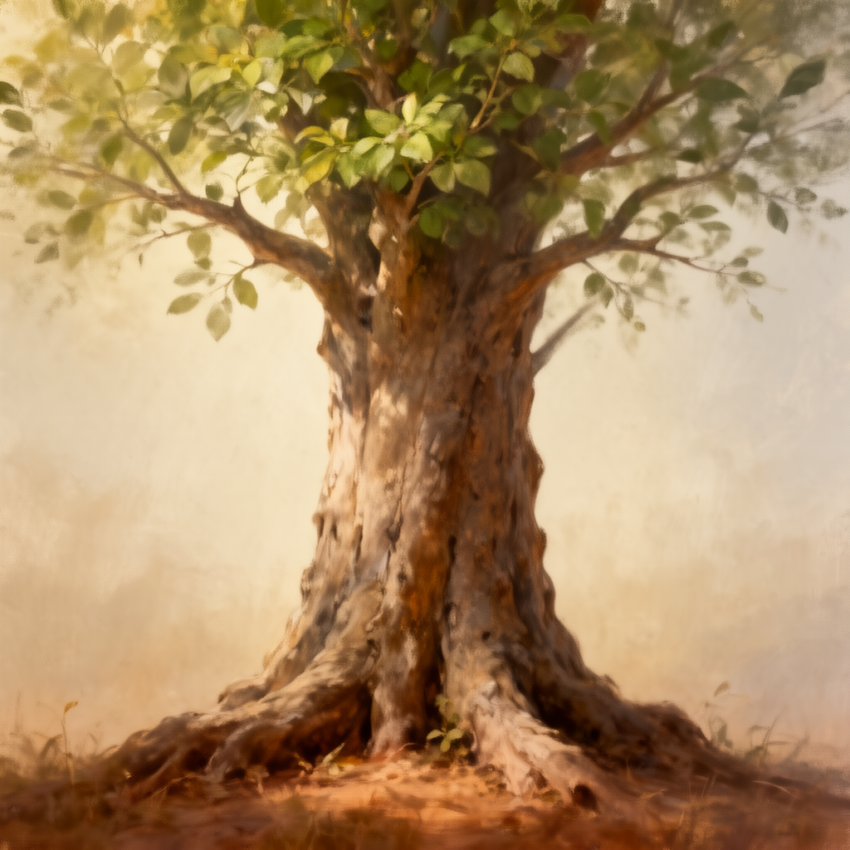
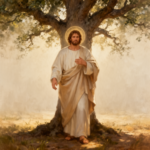
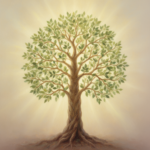
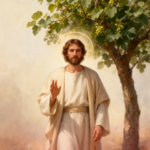
Jesse's Stump is interpreted as a hardy, resilient tree or stump emerging from a planted or cut trunk. It likely resembles a type of deciduous shrub or small tree such as the Syrian maple (Acer syriacum) or a symbolic representation of a surviving, vital remnant. It features rough, gnarled bark, with small, broad leaves and springtime clusters of inconspicuous flowers. The fruit, if any, would be modest samaras or small drupes. Growing in poor, rocky soils with dry to moderate rainfall, it withstands harsh conditions, symbolizing endurance and hope amid adversity. Its appearance emphasizes regrowth from a remnant or stump, embodying renewal and divine promise.
Scientific Name
Debated
Hebrew/Greek Name
יַעַר יִשַׁי (Ya'ar Yishai)
Common Names
Jesse’s Stump, Yishai’s Tree, Prophecy Tree
Native Habitat
Native to the Near East, particularly rocky hill slopes and arid regions of Israel, Jordan, and Lebanon. The climate is typically Mediterranean, with hot, dry summers and cool, wet winters. The plant thrives in well-drained, rocky soils, often in sparse woodlands or shrublands resistant to drought.
First Biblical Mention
Isaiah 11:1, where a 'shoot' or 'branch' arises from Jesse's stump, symbolizing the Messiah's lineage.
📖 Biblical References
Reference
Context
Significance
Isaiah 11:1
The prophecy of the coming Messiah is described as arising from a stump of Jesse, symbolizing hope and revival after destruction.
Represents a divine promise that from what seems cut down or hopeless (the stump), new life and salvation will emerge.
Jesse's Stump signifies hope, renewal, and divine promise emerging from apparent ruin or desolation. It embodies the biblical theme that new life and salvation can spring from the remnants of failure or exile. The stump's regrowth symbolizes God's covenant to restore His people, emphasizing resilience, divine providence, and the promise of a messianic future. Throughout Scripture, the stump represents the steadfastness of God's plan even when everything seems lost, highlighting themes of revival amid chaos and divine sovereignty over history and nature.
🏺 Cultural Uses in the Ancient World
Ancient Near Eastern peoples, including the Israelites, regarded such resilient plants as symbols of hope and renewal. The wood from such trees was used in construction of simple dwellings, ritual objects, and for fuel. Additionally, the symbolic meaning of regrowth reinforced cultural stories about divine restoration. The plant’s sparse, hardy nature suited medicinal applications in folk remedies for wounds and infections, emphasizing its association with resilience and healing.
✡️ In Jewish Tradition
Jesse's Stump is deeply embedded in rabbinic literature as a symbol of the Messiah’s lineage and hope for a future kingdom. Festivals like Hanukkah celebrate perseverance and miracle, themes echoed in the imagery of revival from a stump. It also appears in mystical texts as representing divine mercy emerging from apparent desolation, emphasizing God's capacity for renewal and redemption in Jewish thought.
✝️ In Christian Tradition
Christian interpreters see Jesse's Stump as a messianic prophecy fulfilled in Jesus Christ, emphasizing divine promise and hope rooted in lineage. The symbol reinforces themes of spiritual renewal, new beginnings, and salvation emerging from hardship. Nativity narratives and Advent teachings sometimes incorporate this imagery, emphasizing hope in Christ as the new shoot from Jesse's line.
While traditionally linked with the symbolic 'stump' representing a generic, resilient tree, botanists suggest it could be a variety of hardy, drought-resistant species native to Israel, such as Acer syriacum or a symbolic interpretation rather than a specific species. There is no strict consensus, and the 'stump' functions primarily as a theological metaphor, not necessarily a distinct botanical entity.
🗺️ Where Is It Found Today?
Today, similar resilient trees or shrubs, such as the Syrian maple or other hardy Mediterranean species, grow in Israel’s rocky hillsides and arid regions. These plants are often found in nature reserves or wild areas, surviving in poor soil conditions and serving as ecological symbols of endurance.
❓ Frequently Asked Questions
Is Jesse’s Stump a specific plant species?
Not definitively; it’s primarily a biblical symbol representing hope and renewal. Botanically, it may correspond to hardy Mediterranean trees like Acer syriacum, but its main significance is theological.
What does Jesse’s Stump symbolize in Christianity?
It symbolizes the messianic hope rooted in Jesus Christ, emphasizing divine promise emerging from apparent desolation, and the fulfillment of prophecy.
Can Jesse’s Stump be seen in modern landscapes?
Yes, similar resilient trees exist in Israel and neighboring regions, thriving in rocky, dry environments and serving as living symbols of perseverance and renewal.
✨ Did You Know?
The imagery of a stump or shoot is also reflected in the archaeological discovery of ancient wood remnants inscribed with prophetic texts, illustrating the historical importance of biblical symbolism in material culture. Additionally, some scholars believe that certain ancient cultivated trees associated with biblical narratives might be descendants of ancient groves linked to sacred sites.