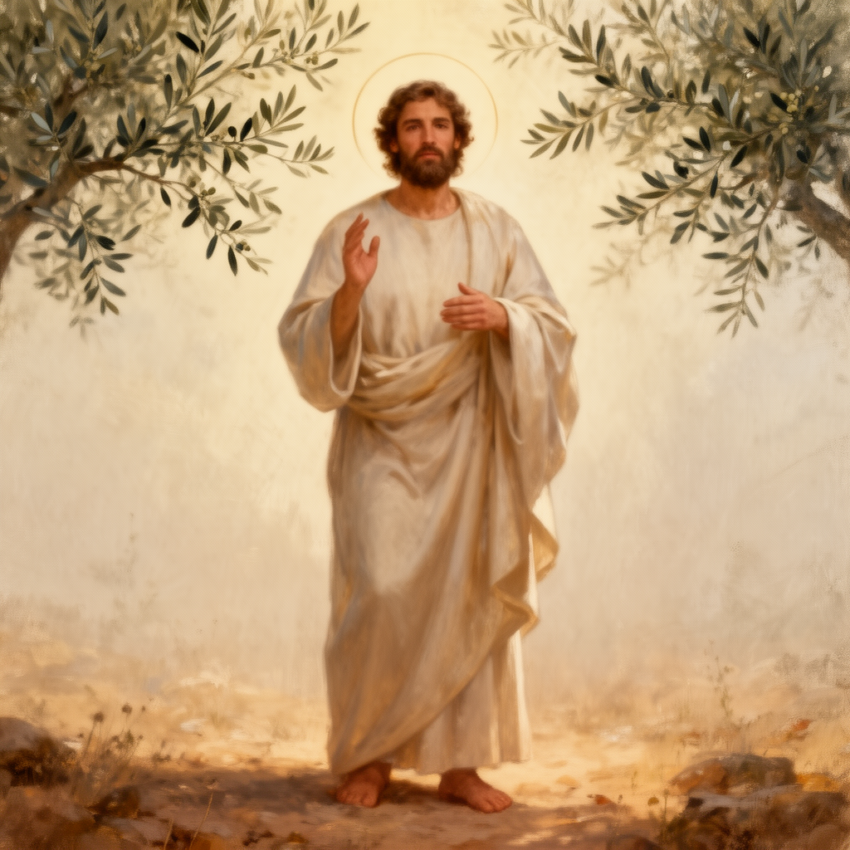
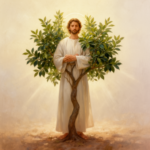
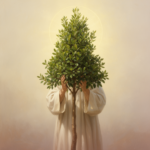
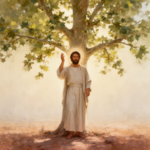
The olive tree (Olea europaea) is an evergreen shrub or small tree reaching 4-12 meters tall, with a gnarled trunk and dense, silvery-green, leathery leaves. It produces small, white to purple flowers clustered in inflorescences, which develop into oval, oily fruits called olives. The tree thrives in Mediterranean climates with well-drained, calcareous soils and prefers full sun. It demonstrates remarkable drought tolerance, with a lifespan that can extend over several centuries, often characterized by a deeply furrowed bark and a spreading canopy. Its slow growth rate and resilience symbolize stability and enduring fertility, making it a vital crop historically and culturally.
Scientific Name
Olea europaea
Hebrew/Greek Name
זַ֫יִת (Zayit, Hebrew), Elaia (Greek)
Common Names
Olive Tree, Olive
Native Habitat
Native to the Mediterranean basin, including modern-day Israel, Greece, Turkey, and North Africa, the olive tree thrives in hot, dry summers and mild, wet winters. It favors rocky, well-drained soils and has been cultivated in arid and semi-arid regions for millennia, becoming integral to the ancient Near East's agriculture and economy.
First Biblical Mention
Genesis 8:11 — a dove brought back an olive leaf, signaling the end of the flood and renewal of life.
Zechariah’s vision depicts two olive trees beside a golden lampstand, symbolizing God’s empowering presence and human leaders, Zerubbabel and Joshua.
Represents divine guidance, spiritual strength, and the anointed leaders’ role in restoring Jerusalem’s spiritual and physical strength.
✨ Symbolic Meaning in Scripture
In Scripture, the olive tree symbolizes peace, divine blessing, resilience, and spiritual renewal. Its enduring nature reflects God's faithfulness and the hope of salvation. Olive oil represents the Holy Spirit, wisdom, and consecration, highlighting themes of purity, healing, and divine empowerment. The tree's capacity for renewal and longevity underscores the biblical message of perseverance amid adversity, serving as a metaphor for spiritual steadfastness. Throughout the Bible, the olive often embodies God's covenant, blessing, and the righteous community rooted in faith and obedience. Its universal symbolism of peace and divine favor fosters a sense of divine presence shaping history and individual lives.
🏺 Cultural Uses in the Ancient World
Ancient Israelites highly valued the olive tree for its fruit and oil, using olives for food, making lamps, and anointing priests and kings. Olive oil was essential in sacrificial rituals, medicine, and cooking. The wood was used for construction and crafting utensils. Trade of olive products supported the economy, and its cultivation was often linked to divine blessing and prosperity. Olive branches served as symbols of peace and victory, while the pressings were integral to religious ceremonies, emphasizing its spiritual significance as well as practical uses.
✡️ In Jewish Tradition
Olive branches symbolize peace and divine blessing in Jewish tradition. During festivals like Sukkot, olive branches are used in rituals, and the olive is associated with the anointing of kings and priests. Rabbinic texts highlight the importance of cultivating the olive tree for sustaining spiritual and physical life, viewing it as a symbol of righteousness and divine favor. The olive's resilience is celebrated in stories of the Temple and in prayers asking for peace and divine assistance.
Christianity interprets the olive branch as a symbol of peace, reconciliation, and the Holy Spirit. The olive tree’s endurance signifies hope and divine promise. Early Christian writers likened the olive to spiritual sustenance and divine grace, referencing the prominent biblical symbolism of peace after chaos (Noah’s Ark). The anointing oil used in sacraments connects the olive to spiritual consecration, healing, and the presence of the Holy Spirit in believers’ lives.
🔬 Modern Botanical Identification
The olive tree is widely identified as Olea europaea, with near-universal scholarly consensus. Some alternative candidates include the wild olive, Olea europea var. sylvestris, which is considered the ancestor of cultivated varieties. Debates sometimes arise around ancient varieties and wild progenitors, but the cultivated olive remains the definitive identification of Zechariah's trees in biblical context.
🗺️ Where Is It Found Today?
Today, olive trees are cultivated extensively throughout Israel, the Mediterranean coast, and parts of North Africa and the Middle East. Juxtaposed with ancient sites, these trees thrive in managed groves, gardens, and UNESCO World Heritage sites, symbolizing continuity of biblical tradition.
❓ Frequently Asked Questions
What does the olive tree symbolize in the Bible?
It symbolizes peace, divine blessing, resilience, and spiritual renewal. Its enduring nature reflects God’s faithfulness and the hope of salvation throughout Scripture.
Are Zechariah’s olive trees literal or symbolic?
They are generally understood as symbolic, representing divine support and the anointed leaders, but they also may refer to real olive trees symbolizing stability and blessing.
Can I grow an olive tree outside of the Mediterranean climate?
Olive trees thrive best in warm, well-drained soils with full sun. While they can tolerate some cold, optimal growth occurs in Mediterranean-like conditions, but adaptations or container cultivation may allow growth in other regions.
✨ Did You Know?
Olive trees can live for over a thousand years; some ancient groves in Israel are believed to be over 2,000 years old. Archaeological findings suggest olive oil was a central commodity in biblical economies, and ancient pressings have been discovered dating back thousands of years, attesting to their long-standing cultural significance.