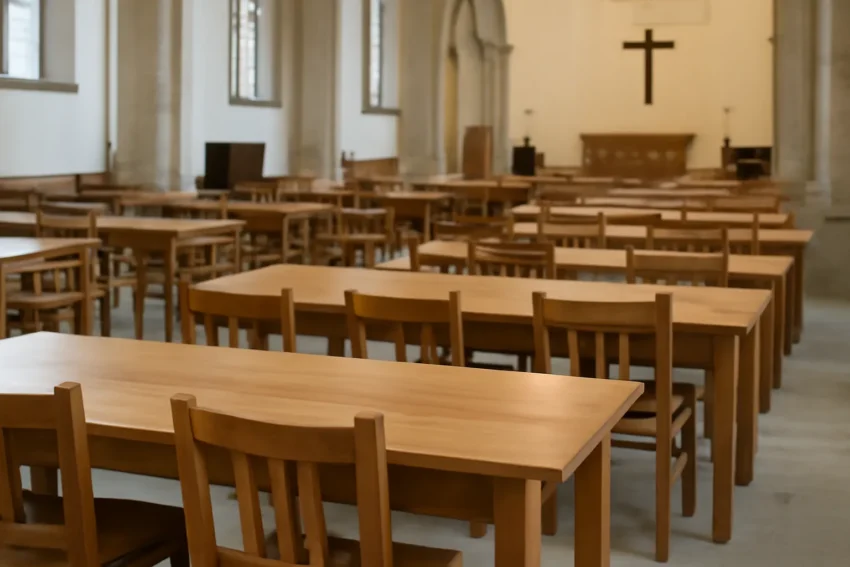
Church Tables: Durable, Stylish Options for Worship Spaces
In every house of worship, the furniture that supports gathering, teaching, and ceremony plays a crucial role. Among these pieces, the humble table serves multiple functions—from sermon lecterns and communion tops to meeting-room desks and choir riser supports. When designed with intention, church tables are not merely utilitarian surfaces; they are elements of architecture that reinforce the space’s identity, acoustics, and flow. This article explores the durable, stylish options available for worship spaces, discussing materials, styles, functional considerations, and practical guidance for selection, installation, and care. Whether you are outfitting a small chapel or refreshing a large sanctuary, the right tables can elevate the experience of congregants and staff alike.
In contemporary worship environments, a well-chosen church table system can adapt to a wide range of activities. You might need a sturdy lectern for sermons, a long altar table for special services, or modular meeting tables for council sessions. The best designs offer versatility without sacrificing aesthetic coherence. They are built to endure high traffic, frequent wiping, and occasional heavy use, while still looking dignified in the presence of reverence. This guide covers the most important decisions, from raw materials to finishes, from leg configurations to accessibility and safety considerations.
Why church tables matter in worship spaces
The table landscape of a worship space shapes how people engage with the service and with one another. A well-proportioned lectern or communion table can:
Support clear sight lines for speakers and readers, boosting communication and engagement.
Reinforce liturgical cues—for example, the placement of a communion table at the front or center highlights ritual importance.
Contribute to acoustics by providing appropriate surface materials that don’t overly reflect sound.
Accommodate technology—laptops, screens, microphones, and notes can be integrated with minimal clutter.
Reflect the space’s character—an ornate piece may suit a traditional sanctuary, while minimalist tables fit modern chapels.
It is worth noting that churches often need multi-use furniture. A single table can function as a reading desk, a display surface for liturgical artifacts, and a temporary stage for performers. Because needs evolve with seasons, demographics, and programming, a design approach that emphasizes flexibility and durability is particularly valuable.
Materials and finishes for church tables
The material selection for church tables influences durability, maintenance, and the space’s overall tone. The right combination of core structure and surface finish determines how well the table resists wear, how easy it is to clean, and how it ages over time in a space with people and activity.
Wood varieties and traditional warmth
Wood remains a favored material for altar tables, lecterns, and tables for study in many worship settings. The choice of species affects appearance, weight, and durability:
Oak—A popular choice for its strength, pronounced grain, and classic warmth. Oak tolerates heavy use and can be refinished multiple times.
Hickory—Noted for high hardness and resilience; offers a strong, rustic character.
Walnut—Rich color and smooth texture; provides an elegant, timeless look suitable for traditional churches.
Maple—Light in tone, durable, and forgiving with minor dents that are less visible than on darker woods.
Cherry—Warm, reddish hue that deepens with age; with proper maintenance, ages gracefully.
Wood surfaces can be finished with a variety of protective coatings. The goal is to resist scratches, stains, and moisture while maintaining a tactile, inviting feel. Common options include:
Oil finishes—Enhance color depth and grain; easier to repair on site but may require more frequent maintenance.
Polyurethane varnishes—Hard, durable film that protects against wear and stains; available in satin, semi-gloss, and gloss levels.
UV-curable topcoats—Excellent for high-traffic areas and consistent long-term protection.
Stain with protective seal—Allows for color customization while sealing the surface.
Metal and hybrid surfaces
Metals offer a modern counterpoint to traditional wood, with advantages in durability and maintenance. Common metal options include steel, aluminum, and aluminum-integrated blends that keep weight manageable while maintaining structural integrity.
Satin-nickel or brushed steel accents give a sleek, contemporary look that pairs well with glass and stone finishes.
Powder-coated steel frames resist chips and corrosion; suitable for harsh environments or spaces with high humidity.
Aluminum cores reduce weight for portable tables used in flexible spaces.
For a balanced aesthetic, many manufacturers offer mixed-materials tables, where a wood top rests on a metal base. These hybrids provide durability where needed and warmth where it matters most to the space’s tone.
Laminate, solid surface, and resin tops
For even easier maintenance and consistent appearance, high-pressure laminates and solid-surface materials are popular choices for tabletops in congregational settings. They resist stains, ease cleaning, and can mimic the look of natural materials without the same maintenance demands.
Laminate surfaces deliver cost-effective durability and come in many colors and textures, including wood-look finishes.
Solid-surface materials (like acrylic or engineered composites) offer seamless joints, excellent hygiene, and repairability.
Resin tops provide unique colorways and patterns; they’re sturdy and easy to clean but may require special cleaning products.
Other materials and considerations
In some spaces, recycled or sustainable materials are prioritized to reflect environmental stewardship. Options include bamboo composites, FSC-certified woods, or recycled-metal frames. When sustainability is a goal, consider the entire lifecycle of the item, including production, transport, maintenance, and eventual retirement or repurposing.
Styles and aesthetics: matching church tables to architecture
The style language of a church—whether traditional, contemporary, or somewhere in between—should be reinforced by the furniture that supports it. Tables can embody the same visual vocabulary as the space, creating a cohesive atmosphere or providing a deliberate contrast for emphasis.
Traditional and ceremonial styles
In traditional worship spaces, carved detailing, rich wood tones, and classical proportions often dominate. Characteristics to consider:
Ornate edges, pilasters, or mouldings that echo other woodwork in the sanctuary
Timber tones that harmonize with pews, pulpits, and candle holders
Heavier, stately bases that convey permanence and dignity
Traditional tables work well for lectern setups and altar-side surfaces where formality and lineage matter. They can incorporate subtle inlays and warm finishes that age well with time.
Contemporary and minimal silhouettes
In modern worship spaces, clean lines, minimal ornamentation, and flexible configurations are often prized. Characteristics include:
Flat or gently contoured tops with uninterrupted surfaces
Lightweight frames in powder-coated steel or aluminum
Underlying considerations for technology integration and cable management
Contemporary tables frequently favor modular systems that can be rearranged to adapt the room for different services, classes, or receptions. The emphasis is on ease of stacking, secure connections, and a consistent, understated aesthetic that supports spoken word and music alike.
Rustic and transitional looks
Rustic or transitional spaces blend warmth and practicality. Finish choices that support this aesthetic include live-edge wood, distressed finishes, and matte textures. Features to prioritize:
Solid, durable frames that can withstand active use
Textures and surfaces that hide minor wear
Flexible layouts that can be reconfigured for community meals or outdoor gatherings
Functional considerations for church tables
Beyond style, functional design is essential. The most durable and flexible options address several practical concerns, including size, accessibility, and how the table integrates with the space’s equipment.
Size, shape, and capacity
The size and shape of a table should align with its intended use and the room’s geometry. Consider:
How many people you anticipate standing or seated around the surface
Whether the table will serve as a lectern, a communion surface, a display table, or a multipurpose desk
Clearances for chairs, wheelchairs, and passageways around the table
Shapes can vary: rectangular tops are common for meeting tables and altars, while trapezoidal or semi-circular designs are popular for lecterns that need to project toward the congregation without obstructing sightlines.
Leg design, knee clearance, and stability
The leg configuration governs how comfortable it is for participants to sit or stand at the table and how easily equipment can be used beneath the surface. Common configurations include:
Legged bases with four feet or twin pedestals for stable support
Solid panel bases that reduce the risk of snagging fabrics or cords
Under-table stretchers to increase rigidity, particularly on long tables
Knee clearance is a critical ergonomic detail. For adult users, plan for at least 11-12 inches of knee space under standard-height tables, with taller lectern surfaces adjusted for speaker comfort. Adjustable-height options are particularly valuable for spaces that host children’s programs or accessibility-focused events.
In versatile worship environments, mobility becomes essential. Consider the following options:
Locking casters on tables intended for reconfiguration or quick setup
Fold-away leaves or hinged tops to reduce storage footprint
Under-table storage compartments for notes, cords, and small equipment
Stackable designs that minimize space when not in use
Technology integration and cable management
Modern worship services often rely on audiovisual equipment. It is wise to plan for cable management and power access within or beneath the table. Consider:
Integrated grommets and cable channels to keep wires organized
Cable covers that prevent tripping and maintain a clean appearance
Compatibility with microphones, laptop stands, and screens
Storage integration and ancillary surfaces
Some church tables include integrated storage drawers or side shelves to hold liturgical cards, Bibles, bulletins, or hymnals. These features can reduce clutter on the main surface and improve the service’s efficiency.
Accessibility and safety considerations
Accessibility is a central concern in worship spaces. Tables should be designed to be inclusive, safe, and easy to use by people of all ages and abilities.
ADA compliance and inclusive design
When appropriate, choose accessible designs that accommodate wheelchair users and people who need lower or adjustable work surfaces. Consider:
Tables with accessible heights or adjustable-height mechanisms
Clear floor paths around tables to facilitate mobility aids
Non-slip, easy-to-clean surfaces that respond well to cleaning protocols
Edge protection and user safety
Edges and corners should be designed to minimize injury risk. Practical measures include:
Rounded corners or soft radii on table edges
Durable, impact-resistant edge materials that resist chipping
Rounded or chamfered top profiles to reduce snagging of clothing and cords
Cable management for safety
Poor cable management can be a hazard. A clean, integrated approach prevents equipment from becoming tripping hazards and allows easy maintenance for custodial staff.
Durability, maintenance, and longevity
The long-term performance of church tables depends on the robustness of the structure and the resilience of the surface finish. Durability is often a function of:
Frame construction—solid joints, reinforced corners, and appropriate weight distribution
Top protection—resilient coatings, edge protection, and resistance to impact
Moisture resistance—for spaces with humidity or proximity to sacramental elements
Finish choices for ongoing beauty
Finishes should withstand routine cleaning, solvents, and occasional spills without sustaining permanent damage. Considerations include:
Scratch resistance—topcoats that resist surface abrasions
Stain resistance—especially on light-colored surfaces
UV stability—color longevity in spaces with natural light curtains
Care and maintenance guidelines
Establish a maintenance routine that aligns with the church calendar. General guidelines include:
Regular dusting and wiping with a non-abrasive cloth
Using mild cleaners compatible with the surface material
Avoiding harsh chemicals that can degrade finishes
Periodic inspection for loose hardware and tightness of joints
Installation and layout planning for worship spaces
Effective layout planning ensures that tables meet their functional goals while maintaining the visual rhythm of the space. Consider the following steps when planning installation:
Assess space dimensions and create a grid or schematic showing possible table placements.
Define service zones—altar area, lectern corner, backstage preparation, and audience sightlines.
Test sightlines—make sure readers or speakers have an unobstructed view of the congregation.
Plan for accessibility—include pathways that comply with accessibility standards and avoid bottlenecks.
Account for technology—position tables to accommodate microphones, screens, and cables without clutter.
Depending on the space, you may choose a fixed installation or a modular approach. A fixed setup offers maximum stability and permanence, while a modular system provides flexibility for changing programs. Both approaches require careful attention to weight distribution and floor protection to avoid damage to surfaces.
Budgeting, procurement, and lifecycle considerations
When procuring church tables, it can be helpful to request items with long warranties and clear maintenance guidelines. Look for vendor support, on-site assembly options, and training for care staff.
For churches with limited budgets, consider phased procurement, or exploring refurbished or gently used options from reputable suppliers. Reinventing or repurposing existing pieces—when feasible—can also contribute to a sustainable lifecycle. If you anticipate a change in space usage, select modular solutions that can adapt to future programs.
Case studies and practical examples
Case study: a small rural chapel upgrading lecterns and tables
A small rural chapel with a seating capacity of around 120 people faced wear on a wooden lectern and a mismatched communion table. They opted for a pair of modular lecterns with adjustable height and integrated cable management, plus a long communion table in a warm oak finish. The result was a unified aesthetic that remained functional for both sermon delivery and communal meals. The modular design allowed volunteers to reconfigure the space for Bible study evenings and youth events without requiring new furniture.
Case study: a mid-size urban church embracing contemporary interiors
A mid-size urban church transitioning from traditional to contemporary worship chose contemporary tables with sleek metal frames and laminated tops. They valued low-maintenance surfaces and the ability to roll sections together for larger gatherings. The design included hidden cable channels and quick-connect hardware to simplify setup and breakdown. The space now supports multimedia presentations, with a clean, uncluttered look that aligns with the current worship style.
Case study: a large sanctuary with multi-use spaces
In a large sanctuary that doubles as a conference venue, the furniture strategy prioritized durability and flexibility. They installed podiums and tables with locking casters, modular tops, and a perimeter of storage cabinets that keep hymnals and service materials organized. The design allowed for quick reconfiguration for civic events while maintaining a cohesive, dignified atmosphere for worship.
Best practices for selecting church tables
Below are practical guidelines to help you choose the right church tables for your space:
Define the primary functions—lectern, altar surface, display, or multi-purpose use?
Assess the space—consider distance from the congregation, climate, and potential for moisture exposure near sacramental elements.
Prioritize accessibility—include at least one option with adjustable height or an accessible alternative where appropriate.
Plan for technology—ensure power access, cable organization, and compatibility with current audio-visual gear.
Evaluate maintenance needs—choose finishes that suit the staff’s cleaning routines and the congregation’s traffic patterns.
Future-proofing your worship space
The design and selection of church tables should consider not only current needs but future possibilities. As congregations expand, diversify programming, or adapt to new ministries, furniture should accommodate growth and change. Strategies include modular designs, neutral finishes that age gracefully, and a design language that remains dignified across seasons.
Scalability through modular design
Modular table systems enable you to expand or reconfigure layouts without purchasing entirely new pieces. For example, a set of modular work surfaces can combine to form a larger altar extension for special occasions, or separate into multiple small group tables for breakout sessions.
Variation in finishes for changing aesthetics
Finishes that are neutral or classic, such as medium-toned woods or matte metal, tend to age well and resist the impression of passing trends. If your space anticipates future redecorating, you might opt for adjustable-height options and simplified profiles that won’t clash with potential design refreshes.
Conclusion: choosing durable, stylish church tables that serve worship and community
The right church tables do more than provide a surface for readings or notes. They anchor rituals, support technology, facilitate learning, and contribute to the sanctuary’s identity. Durable materials, thoughtful finishes, and adaptable designs ensure longevity even as programs evolve. By considering material choices, stylistic alignment with architecture, practical functionality, accessibility, and maintenance needs, you can select tables for worship spaces that will remain relevant and reliable for years to come.
Whether you prioritize the warmth of traditional wood, the clean lines of contemporary metal, or the efficiency of laminate surfaces, the best options balance beauty and practicality. The purpose of these surfaces is not simply to hold books or devices; it is to support people gathering for prayer, learning, fellowship, and celebration. In this light, a well-chosen set of church tables becomes an enduring component of your space’s sacred and communal life.