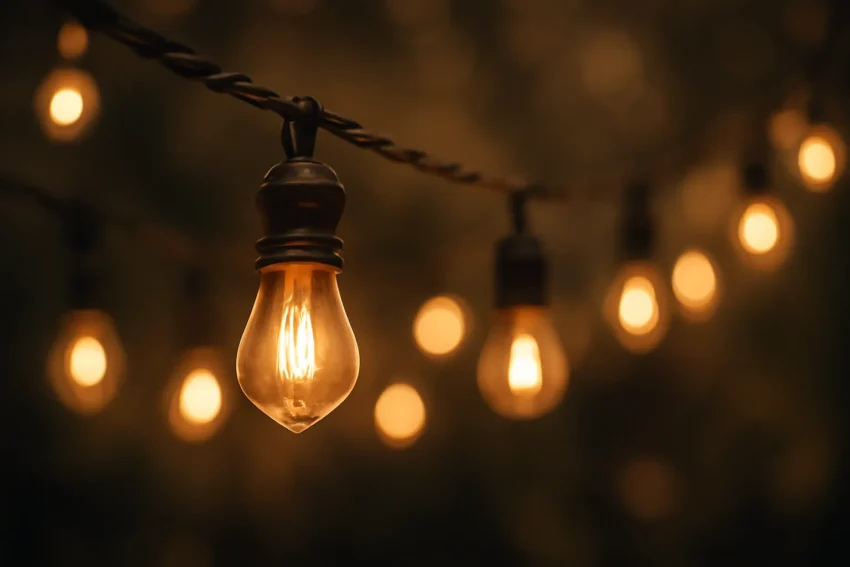
Antique Style Christmas Lights: A Complete Guide to Vintage Lighting
Antique style Christmas lights are more than decoration; they are a window into how households created warm, magical moments during the holiday season. From the first electric strings that flickered to life in the early 20th century to the more elaborate, hand-blown glass bulbs that characterized mid-century displays, these lights carry history in glass, wire, and color. In this comprehensive guide, we’ll explore what defines vintage lighting, the major eras that shaped period-appropriate lighting, and the practicalities of collecting, restoring, and safely displaying old-fashioned Christmas lights in today’s homes. Whether you are a seasoned collector, a decorator seeking authentic accents, or simply curious about why these lights feel so special, this guide will help you understand the language of vintage illumination and how to use it thoughtfully.
A Brief History of Christmas Lights
The story of holiday illumination begins well before electric bulbs. In the 17th and 18th centuries, candles were used on Christmas trees, creating a shimmering, fragile glow and a memorable scent of wax and sap. The practical and aesthetic challenges of open flames—fire risk, frequent exchange of candles, and maintenance during a festive evening—prompted inventors and designers to imagine safer, more controllable options. By the late 19th century, the first steps toward electric lighting for trees and décor emerged in pockets of Europe and North America, laying the groundwork for what would become a vast antique lighting marketplace.
The early electric Christmas lights that gained traction in the United States and parts of Europe used carbon-filament bulbs, a technology that replaced carbon filaments with new materials and manufacturing approaches. During the 1920s through the 1940s, hand-wired strings and the growing availability of plug-and-play sets made Christmas trees brighter without open flames. The mid-century era brought a flourish of variety: from bubble lights that looked like tiny vials of liquid encased in glass to larger bulbs shaped like classic C-7 and C-9 silhouettes. The postwar period also saw a surge of color and experimentation—frosted textures, colored glass, and decorative attachments—that elevated the display beyond mere illumination.
In the modern era, nostalgia and safety concerns have sparked renewed interest in retro-inspired lighting. Collectors search for original vintage string lights and for certified reproductions that preserve the aesthetics while meeting contemporary safety standards. This guide aims to balance the charm and history of antique lighting with practical advice for today’s users, emphasizing responsible restoration, safe operation, and creative display ideas.
Key Eras and Styles Within Antique Lighting
To understand antique style Christmas lights, it helps to divide them into eras and design families. Here are the main categories you’re most likely to encounter:
The Carbon-Filament Era and Early Electric Sets
The carbon-filament era is a cornerstone of vintage lighting. Early sets used carbon filaments similar to traditional light bulbs but adapted for decorative strings. These bulbs glowed with a warm amber hue and tended to be larger than modern miniatures. The cords were often covered in cloth or early vinyl coatings, and the sockets could be porcelain or hard rubber. Collectors prize sets that retain their original bulbs, cords, and fuses, but even incomplete sets offer a sense of the time when electricity became a family-friendly feature in homes.
The Animation Era: Bubble Lights and Liquid-Bulb Innovations
A distinctive part of postwar lighting is the bubble light—a glass capsule containing a liquid that bubbles gently when heated by the bulb. Introduced in the 1940s, bubble lights added movement and a sense of whimsy to Christmas trees. They were often used as accent bulbs on string sets or in standalone arrangements. Bubble lights are visually arresting; their charm lies not just in color, but in the kinetic entertainment of the bubbles rising in slow motion.
The Classic Bulb Shapes: C-7 and C-9, Miniatures, and Beyond
The 1950s through the 1980s saw standardized bulb shapes becoming familiar to households. The C-7 and C-9 bulbs are among the most recognizable members of the vintage lighting catalog. C-7 bulbs are smaller and curved, while C-9 bulbs are larger and more bulbous. These shapes influenced how decorators planned color schemes and balanced tree density. In addition to larger bulbs, miniature bulbs—tiny, often durable, and designed for long strings—allowed for dense light coverage with a gentle glow. As a result, many classic homes feature retro string lights that combine both micro bulbs and larger retro shapes for a layered, nuanced effect.
Frosted, Tinted, and Speckled Glass: A Decorative Palette
Antique lighting often features glass bulbs with surfaces that catch and refract light in unique ways. Frosted bulbs diffuse the glow for a softer look, while tinted or coloured glass bulbs produce colored halos around the tree. Some sets use speckled or marbled finishes that shift in shade as you move around the display. This decorative versatility is one of the reasons old-fashioned Christmas lights remain visually compelling as centerpieces of a holiday room—especially when paired with natural textures like wood, velvet, and brass.
When you browse for antique style Christmas lights, you’ll encounter several archetypes. Below is a practical tour of the primary types you’re likely to encounter, along with notes on their care and best use.
Carbon-filament string lights on traditional cordage. These are the earliest electric décor strings, often prized by purists for their historical authenticity. They require careful handling and sometimes custom rewiring to modern outlets, and they may have nuance in color temperature that feels distinctly vintage.
Miniature bulb strings with dense spacing. These are the workhorses of mid-century trees, delivering bright, even coverage with a delicate intensity. They are easier to match with modern interiors and can often be found in long lengths.
C-7 and C-9 bulb strings, the larger retro silhouettes that create bold silhouettes and classic tree outlines. They’re ideal for traditional trees, wreaths, and exterior garlands where you want a pronounced glow.
Bubble lights, distinctive for their liquid-filled capsules. They pair beautifully with polished metals, glass ornaments, and a nostalgic palette of warm ambers and soft greens.
Shaped and novelty bulbs featuring bulbs shaped like stars, minis, bells, and other holiday motifs. These add a playful note and are often best used as accents rather than the main body of light in a display.
Colored glass bulbs and tinted retro bulbs, offering a saturated color spectrum. This type works well in period-perfect recreations as well as eclectic modern vignettes where color storytelling is the aim.
Bubble and liquid-filled tube lights that can belong to a broader “liquid-filled” family. They are fragile and usually kept on display in controlled environments; some collectors use them sparingly due to fragility.
Materials, Construction, and Design Details
The tactile experience of antique lighting comes from a combination of materials, finishes, and construction methods. In many cases, the cords themselves tell a story: early plastics and cloth coverings, cotton or rayon twines, or early rubber sheathing. Sockets may be porcelain or metal, and fuses—if present—offer a clue to the set’s era and the level of original safety provisions.
Glass bulbs are the heart of the aesthetic. The glass can be smooth, crackled, or frosted, with colorants that create pink, amber, blue, or green general illumination. In some sets, the bulbs used brass or copper bases with screw-in or bayonet fittings, reflecting the standards of the period. If you choose to restore such a set, you’ll find parts suppliers and researchers who specialize in period-accurate fittings, though compatibility with modern outlets must be addressed with care.
Electrical safety is as important as authenticity. Many vintage strings were designed for electrical systems different from today’s circuits. If you own a set that appears to be in original condition, it is strongly advised to check insulation, cord integrity, and plug condition before attempting any display. If the wiring looks brittle or discolored, consider professional rewiring or silencing the set and using a reproduction with a safe modern cord. This approach preserves the historical look while removing the risk of shock or fire.
Color balance in antique lighting can be intentionally warm, with a slight amber or golden tint. Depending on the bulbs and coatings, color balance may lean toward a classic “soft glow” rather than a bright, bluish-white. This tonal characteristic can guide your decorating choices: pairing vintage lights with natural textures (wood, leather, woven fabrics) often yields the most harmonious result.
Care, Restoration, and Safe Use
Restoring and using antique style Christmas lights requires a blend of reverence for history and practical safety. The following steps outline a thoughtful approach to getting the most out of vintage sets while avoiding common hazards.
Assessment. Inspect the entire set for obvious damage: cracked bulbs, frayed cords, damaged plugs, or corroded metal parts. Take note of the era suggested by the bulb shapes, socket types, and cord materials.
Testing. If you have access to a low-risk testing device or a professional who can test vintage bulbs, you can identify bulbs that still glow and those that are dead. Do not test fragile bubble lights repeatedly; their delicate interiors may fail with repeated heating and cooling cycles.
Rewiring options. If your set looks unsafe, consider professional rewiring with modern, heat-resistant cord and a safe plug. Rewiring preserves the appearance while ensuring compliance with today’s electrical codes.
Bulb replacement strategy. When bulbs are missing or damaged, you have options: source original-era bulbs for authenticity, opt for reproduction bulbs that match the look, or use modern LED equivalents that mimic the color temperature with lower heat and longer life. If the goal is strict authenticity, match the bulb shape and size as closely as possible; if the goal is reliability, select LEDs designed to replicate vintage warmth.
Display safety. Use a grounded outlet, avoid daisy-chaining long strings across high-traffic areas, and ensure that outdoor displays have appropriate weatherproofing and enclosure. Consider adding a modern GFCI or surge protection to protect both the set and your home.
For those interested in restoration best practices, several essentials emerge: keep a detailed inventory of parts, photograph each stage of restoration, and document the era associated with each component. If you are new to restoration, work with local antique stores, museums, or online communities that specialize in vintage lighting. They can provide references, authenticity checks, and guidance on the safest approach to repair and display.
Display Ideas: Integrating Antique Lights Into Modern Decor
How you present antique style Christmas lights can make a significant difference in mood, color harmony, and the overall sense of nostalgia. Here are several effective display ideas that honor the past while fitting contemporary spaces.
Mantel and mantlepiece displays. String warm-toned bulbs along a mantel with garlands, pinecones, and vintage-inspired trimmings. The key is restraint—allow the lights to shimmer as a backdrop for ornament clusters rather than overwhelming the scene.
Table centerpieces. Create a suspended or low-profile centerpiece using an elongated string of bulbs nestled among evergreen branches, dried citrus slices, and brass accents. This approach yields a warm glow that can anchor conversation.
Window silhouettes. Drape strands along window frames or create a halo behind frosted glass to catch light from within the room. This setup casts a gentle glow outward and invites nature to reflect on the glass.
Tree layering. For those who collect vintage string lights, layer an inner core of small, dense miniatures with an outer ring of larger C-7 or C-9 bulbs. The contrast in bulb size adds depth and texture to the tree, especially when paired with complementary ornaments.
Outdoor frameworks. When displaying outdoors, choose weatherproofed bulbs or LED-retrofits that resemble classic shapes. Use sturdy supports and avoid decorative setups that could trap heat near dry vegetation. Even a simple arch or trellis can glow beautifully with a carefully deployed string.
A few practical decorating tips: Color temperature can dramatically influence mood. A warm white or soft amber glow makes vintage lighting feel intimate and timeless, while cooler whites may feel more modern and clinical. Consider rotating colors across different zones to mimic the way old window displays changed through the seasons.
Collecting, Valuing, and Caring for Antique Lights
If you are new to collecting, the market for old-fashioned Christmas lights can be rewarding but also nuanced. Values vary based on rarity, condition, completeness, and the presence of original packaging and documentation. Here are some key considerations for building a thoughtful collection:
Condition and originality. Sets that retain their original cords, plugs, fuses, bulbs, and packaging are typically valued higher than those with replaced parts. However, a well-done restoration that preserves the look can still be highly sought after.
Completeness. A set that includes bulbs, spares, and the original box generally commands a premium. Missing pieces may reduce value unless you can source period-appropriate equivalents.
Rarity and era. Bubble lights, for example, have distinctive appeal for collectors who focus on mid-century décor. Carbon-filament sets from the 1920s and 1930s can be scarce but are particularly prized for historical accuracy.
Documentation. Provenance, catalogs, and old advertisements can significantly bolster interest and value. Digital archives and museum catalogs can provide context for your items.
Storage and preservation. Proper storage matters. Keep fragile bulbs in padded containers, avoid temperature extremes, and keep humidity moderate to prevent glaze and glass from cracking.
For those who want to know how to price items, consult current market guides, auction records, and specialist dealers who understand regional differences in availability. A well-informed buyer or seller knows how to assess age indicators, such as socket type, cord materials, and bulb shapes. Building a small library of reference catalogs and periodicals can help you spot authentic features and avoid common misattributions.
DIY Projects and Safe Customizations
If you love the aesthetic of antique lighting but want practical alternatives for daily use, there are several creative paths you can explore. Here are some ideas that respect history while ensuring safety and reliability.
LED retrofits. Use LED replicas of classic bulbs with warm color temperatures designed to imitate vintage warmth. You can connect them to a modern cord and a standard outlet, achieving the look of old glass with contemporary efficiency and safety.
Reproductions. Seek reproduction sets that imitate original bulb shapes, filament patterns, and socket designs. These options offer an authentic vintage feel without the fragility and risk of fragile glass in daily use.
Hybrid displays. Create a hybrid display that blends antique-inspired bulbs with modern lighting accents, such as a discreet LED string behind an old-fashioned garland. The effect is a respectful nod to history while delivering dependable illumination.
Educational displays. Build a display that explains the evolution of lighting technology—from carbon-filament bulbs to modern diodes. Use labeled panels, vintage catalogs, and samples of cords to create an informative vignette for visitors.
When undertaking any restoration or customization, proceed with care. Document changes, preserve original components when possible, and clearly distinguish between original pieces and modern replacements. This approach respects the integrity of antique style Christmas lights while keeping safety at the forefront.
Display and use of vintage lighting in homes require some practical guidelines to ensure safety and enjoyment. Here are recommended practices that align with contemporary standards:
Assess power needs. Old sets may require lower voltages or different wattage than modern systems. Use a compatible transformer or a dedicated circuit if necessary.
Minimize heat risk. While many vintage bulbs generate some heat, you should avoid crowding them with flammable materials. Keep dry greens and textiles away from hot bulbs.
Use protective enclosures. For tabletop or shelf displays, place the bulbs behind glass or within a protected display to reduce the risk of contact with curious hands.
Outdoor considerations. If you display outdoors, ensure the set and cord are rated for wet conditions and protected from wind and rain. Use weatherproof outlets and ground fault protection.
Maintenance plan. Have a regular maintenance plan that includes checking for loose connections, worn cords, and bulbs that flicker or dim. Replace components with period-appropriate or safe modern equivalents.
Finding genuine antique style Christmas lights can be an adventure. Here are reliable sources and criteria to use when evaluating potential purchases.
Antique shops and flea markets. Look for sets with intact cords and a cohesive look. Ask sellers about age, provenance, and any restoration work that has been done.
Specialized dealers and catalogs. Reputable dealers who specialize in lighting history can provide certificates of authenticity and detailed histories for a given set.
Auctions and museum shops. Auction houses sometimes offer rare items with provenance. Museum shops may carry educational replicas that mimic the authentic look.
Online communities. Forums, social media groups, and collector networks can be excellent sources of information and guidance. They can also help you verify obscure or regional items.
Inspection checklist. When evaluating a potential purchase, check for bulb type and spacing, cord material, socket style, fuse availability, packaging, and any stamps or maker marks on components.
Whether you are shopping for authentic vintage pieces or high-quality reproductions, knowledge is your best tool. Always consider the overall condition, the feasibility of safe use, and how a given piece will fit within your space and aesthetic goals.
Antique style Christmas lights are more than an ornament; they carry cultural memories and design sensibilities from the eras in which they were created. The soft glow of a carbon-filament bulb evokes a sense of nostalgia for simpler times, while the more elaborate glass bulbs and bubble lights echo a period of experimentation and optimism about electricity as a domestic technology. Collectors and decorators often emphasize:
Historical storytelling. Each set can tell a story about a specific era, region, or manufacturing lineage.
Craftsmanship. Hand-blown glass bulbs, hand-wired connections, and attention to finish reflect a time when decorative lighting was as much an art form as a utility.
Material culture. The cords, plugs, and packaging reveal changing materials science and consumer culture across decades.
Design language. The color palette, bulb shapes, and overall composition illustrate shifts in taste—from ornate to minimal to playful.
For many homes, incorporating period lighting into a holiday display is about capturing a mood rather than replicating a specific era precisely. It’s about the glow that feels rooted in history, enhanced by modern safety and convenience.
Antique style Christmas lights offer a unique intersection of history, craft, and atmosphere. By understanding their eras, appreciating the distinct bulb types, and applying careful restoration and safe usage practices, you can create holiday displays that honor the past while functioning reliably in the present. Whether you’re collecting rare bubble lights, reviving a grandmother’s carbon-filament string, or staging a gallery-like installation of C-7 and C-9 silhouettes, the glow of vintage illumination has a timeless appeal.
If you approach these lights with respect for their origins, a commitment to safety, and a creative plan for display, you’ll discover that antique lighting can be a source of wonder for generations. The story of vintage Christmas lights is, in the end, a story about people—the designers, the families who gathered around a tree, and the hands that carefully wrapped wires and threaded bulbs through boughs to create a moment of shared joy.