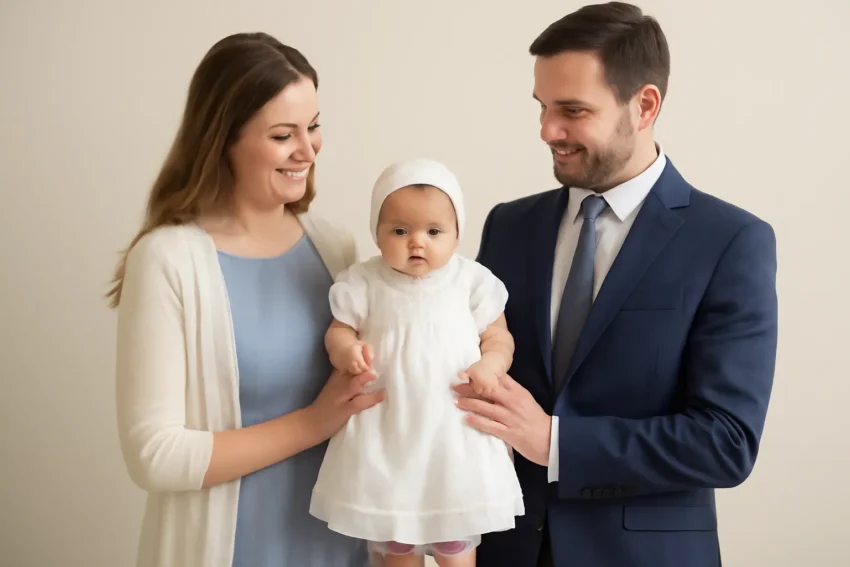
A baptism is a sacred ceremony that marks a child’s entry into a faith community and a milestone
in a family’s life. For godparents, the choice of attire isn’t merely about looking polished; it is
a statement of reverence, responsibility, and lifelong partnership with the family. In many communities, modesty, respect for the sacred space, and coordination with family expectations guide what is
considered appropriate. The outfit serves as a visual expression of support for the child and a nod to
tradition, while still allowing personal style to shine through in a tasteful, understated way.
In practical terms, this means choosing clothing that respects the ceremony’s tone, is comfortable
enough to participate in standing, kneeling, and photography, and harmonizes with the color palette of the
church or venue. For many families, the godparent’s attire sets the visual mood for the entire
event, from the church to the reception. Consequently, an informed approach to style—one that balances elegance and modesty with personal refinement—helps everyone feel confident
and aligned with the day’s significance.
Understanding the dress code for baptism ceremonies
Baptism dress codes vary according to faith tradition, geography, and the preferences of the hosting family.
The guiding principles tend to be universal: clothing should be respectful, appropriate for a religious setting,
and not distracting to the ceremony. In many churches, guests wear semi-formal or formal attire, while
some denominations encourage lighter colors or specific modesty expectations.
Religious and cultural considerations
In Catholic settings, for example, parish norms often favor modest necklines, covered shoulders,
and dresses or skirts that fall at or below the knee. For men, a classic suit or a refined blazer with dress
trousers is typically well received. Protestant chapels and many Orthodox churches may have similar expectations,
though some communities embrace slightly more relaxed interpretations. In all cases, the idea is to honor the sacred
space, avoid flashy statements, and ensure the godparent’s outfit does not outshine the baptismal child, the
family, or the ceremony itself.
Coordination with the family’s color palette
Many families share a color palette for wedding parties and baptisms, especially when several family members
will be photographed together. If the family has chosen a palette for the day—soft neutrals, blush tones, deep
blues, or timeless charcoal—consider referencing it in your outfit. Subtle coordination can strengthen the sense
of unity without appearing overly matched. For instance, if the family leans toward muted neutrals or pastel accents, you can select complementary pieces that echo those tones through accessories or
a dress length, rather than an exact color match.
Seasonal and regional considerations
The time of year and local climate heavily influence fabric choice, layering options, and footwear. What you wear
in a sun-drenched spring ceremony will differ from what you’d wear to a winter baptism in a chilly church hall.
Thoughtful planning ensures comfort, mobility, and a polished silhouette throughout the event.
Spring and Summer: airy fabrics and soft silhouettes
For godmothers, airy midi dresses in breathable fabrics like chiffon, georgette, or lightweight crepe
offer elegance without heaviness. A tea-length option can be flattering and comfortable, allowing for ease of movement
during the ceremony. For godfathers or men, unstructured blazers paired with breathable trousers can provide a
refined, seasonally appropriate look. Consider soft pastels, ivory, or sand tones
that photograph well and stay dignified under natural light.
Practical tips for spring and summer:
Choose fabrics with a light hand and good drape to keep you cool while maintaining polish.
Opt for modest necklines and sleeves to honor church etiquette and comfort.
Select footwear with comfortable padding and a sensible heel height to support standing and walking.
Carry a lightweight shawl or bolero for temple or church interiors if air conditioning runs cool or drafts occur.
Fall and Winter: structured fabrics and layered elegance
In cooler months, look for tailored suits in wool blends, or a knit dress with a structured silhouette.
For godmothers, a long-sleeve midi dress or a crepe sheath with a cape or blazer provides warmth
and formality. Men can opt for a classic wool suit with a titted tie or a three-piece suit for a
touch of luxury. Layering is both practical and elegant: a shawl, a refined cardigan, or a well-cut overcoat can transform
a look from ceremony-ready to reception-ready with ease.
Practical tips for fall and winter:
Ensure fabrics have a comfortable stretch or give to facilitate movement between pews and photo sessions.
Choose darker but not somber tones that still photograph well under church lighting.
Invest in a pair of closed-toe, dress-appropriate shoes with adequate traction for uneven floors or stairs.
Color palettes and fabrics
Color choices for baptism outfits should strike a balance between formality and celebration. Neutrals—such as
ivory, champagne, taupe, and charcoal—offer timeless elegance and compatibility with most church interiors. Pastels like blush, powder blue, and sage can convey a gentle, celebratory mood without drawing attention
away from the child. For a more contemporary look, deep jewel tones—emerald, plum, sapphire—provide a refined contrast
against the lighter tones often seen in christening gowns or baby attire.
Fabrics matter as much as color. The best baptism fabrics include:
Crepe for drape and structure without too much shine
Chiffon for airy overlays or sleeves (layered for modesty)
Georgette for movement and softness
Crepe de chine for a smooth, elegant silhouette
Wool blends for winter formalwear without heaviness
Silk blends for a luxurious touch that remains comfortable
Avoid fabrics that crease easily or appear overly shiny under church lighting, such as certain satins, unless the
style deliberately calls for a glossy effect. For a cohesive family look, consider the overall texture and how a fabric
choice will photograph with the child’s baptismal gown and any floral arrangements.
Outfit variations for godparents
The category “godparent attire” encompasses a range of options to suit different personalities, body types, cultures,
and religious contexts. Below are several well-considered variations that still respect ceremony guidelines.
Godmother looks: classic formal dress options
Women who are godmothers have a broad spectrum of elegant, ceremony-appropriate looks to choose from. The emphasis
is on modesty, fit, and timeless style. Some reliable configurations include:
Midi-length sheath dress in a solid color with long sleeves or cap sleeves paired with a light shawl.
Tea-length or knee-length A-line dress with a modest neckline (crew, bateau, or jewel) and subtle jewelry.
Chiffon-overlay gown with a solid lining, providing movement and coverage while maintaining formality.
Tailored jumpsuit in a refined fabric with a matching blazer or cropped jacket for a contemporary yet respectful appearance.
Skirt and blouse ensemble featuring a structured blouse with a midi skirt in complementary tones, ensuring the blouse has sleeve coverage and a non-distracting print.
Accessories can elevate the look without dominating it. Consider a machine-stitched belt to define the waist,
a delicate pendant or pearl earrings, and a soft wrap or bolero for added modesty and warmth.
Godfather looks: tailored suit and refined alternatives
For men, a baptism is an opportunity to present a restrained, classic silhouette. Among the most effective looks:
Dark, well-fitted suit (navy, charcoal, or black) with a crisp white shirt and a moderate tie.
Two-piece or three-piece suit for formal occasions, paired with a pocket square that echoes the wedding color or baby’s ribbon.
Blazer and dress trousers for a more relaxed yet polished appearance, ideal for semi-formal ceremonies.
Monochrome look with tonal shirt and suit tones to create a streamlined, elegant effect, avoiding overly bright accents.
Footwear that balances comfort and formality, such as well-polished oxfords or derbies, with socks that match the trouser color to elongate the line.
If the ceremony is in a religious context with stylistic expectations, you might soften the formality with a high-quality blazer and a solid tie or a no-tie option that still maintains a dignified appearance. For many families, a coordinated tie color
or accessory can tie the godfather’s outfit harmonically to the baby’s baptism theme.
Modern families often seek outfits that acknowledge inclusivity and comfort. In some cases, godparents may prefer interpretable, gender-neutral options
that remain formal enough for the ceremony. Ideas include:
Jumpsuit with a blazer for a chic, contemporary look that remains respectful.
Tailored pantsuit in a solid color, paired with a simple blouse and understated jewelry.
Smart midi dress combined with a structured cardigan for modesty and ease of movement.
Monochrome ensembles in deep tones to create a cohesive family photograph aesthetic.
Coordinating with the baby’s family
A baptism is a family affair, and coordinating outfits with close relatives can strengthen the day’s visual harmony. The goal is cohesion, not uniformity. Here are practical strategies:
Agree on a color family (e.g., ivory, pastel blue, and taupe) rather than an exact color match to avoid a flat look in photographs.
Consider texture balance—if the baby’s gown is lace, you might choose a smoother fabric for your own outfit to create contrast in photos.
Plan accessories that complement the baby’s attire. For example, if the baby wears a satin ribbon, you might select a subtle satin-accent accessory.
Coordinate footwear height and style to ensure the family can move comfortably during processions and family portraits.
Accessories and details that elevate the look
Accessories are the punctuation marks of an outfit. They can define the level of formality and add personal flair while
remaining faithful to the ceremony’s tone. Key details to consider:
Veils, hats, or fascinators for godmothers can add classic elegance, but ensure they do not obstruct sightlines or comfort.
Jewelry should be delicate and non-distracting—think pearls, small studs, or a simple pendant.
Belts or sashes can define the silhouette and harmonize with the dress color without overpowering the look.
Shawls or boleros add modesty and warmth for church interiors that are cool or drafty.
Shoes should be comfortable for standing and walking; consider cushioned insoles or a familiar pair to minimize discomfort during long ceremonies.
Practical considerations
Beyond aesthetics, several practical factors help ensure a smooth, confident appearance on the day:
Fit and tailoring matter. Have a trusted tailor adjust hemlines, sleeves, or waistlines a few weeks before the ceremony.
Mobility is essential. Ensure that outfits allow easy movement for kneeling, participating in photos, and moving between pews.
Weather readiness means layering options and appropriate outerwear, particularly for outdoor ceremonies or winter baptisms.
Budget awareness—invest in one well-made piece per person rather than several lower-quality options.
Care and maintenance—have a plan for steaming or pressing on the day before to guarantee a neat silhouette.
Photo-ready styling
Baptism photos capture a moment in time, so your outfit should translate beautifully in pictures. Consider these tips:
Choose solid colors or soft textures that photograph well and don’t compete with the baby’s gown or the church’s décor.
Avoid heavy patterns that can appear busy or shift the focus away from the baptism itself.
Coordinate with the lighting—neutral or slightly warm tones tend to render more flattering under church lighting.
Maintain a clean, tidy silhouette—well-fitted garments photograph more elegantly than loose, ill-fitting options.
Test your look in advance by trying on the full outfit with shoes to ensure comfort during long sessions.
Etiquette and cultural variations
Attire expectations can differ across cultures and denominations. Being mindful of these differences shows respect for the
family’s faith tradition and helps the ceremony feel inclusive and celebratory. Some points to consider:
Catholic and Orthodox practices often emphasize modesty, with shoulders covered and hems at or below the knee.
Protestant churches can vary widely, but the baseline remains polished, respectful, and not overly flashy.
In some cultural communities, color symbolism (such as white or ivory for purity, blue for peace, or gold for celebration) may influence choices.
Public roles—the godparent’s outfit should reflect their role without eclipsing the baptism or other family members.
Budget-friendly ideas for godparents
Not every baptism has a large budget, and many families appreciate practical recommendations for achieving a polished look without overspending. Consider:
Renting a formal dress or suit as an economical alternative to purchasing new attire for a one-day event.
Choosing versatile pieces that can be worn again for other family occasions—e.g., a tailored blazer, a classic dress, or a neutral suit.
Shoping during off-season sales or exploring reputable second-hand shops for well-kept garments in excellent condition.
Accessorizing thoughtfully—one quality piece can elevate an outfit without a full wardrobe upgrade.
A thoughtful plan for wardrobe planning helps avoid last-minute stress. Consider creating a simple checklist:
Confirm the dress code with the family at least 6–8 weeks before the ceremony.
Schedule fittings and alterations with enough lead time for adjustments.
Map out the event timeline and practice the outfit change, if any, to ensure smooth transitions.
Prepare a carry bag with a spare blouse or top, a safety pin kit, a small sewing kit, and a travel-sized steamer for on-site touch-ups.
Practical style guides: sample looks by scenario
To help you visualize, here are several ready-to-wear style capsules designed to be versatile across common baptism settings.
Sample look 1: Classic godmother ensemble for a spring ceremony
A mid-length ivory crepe dress with modest sleeves, paired with a light, draped shawl in a pale champagne tone.
Accessories include pearl earrings and a satin belt that adds a gentle waist definition. Footwear would be comfortable nude or
taupe pumps. This look remains graceful in photographs and ceremonial spaces while staying comfortably within modesty norms.
Sample look 2: Modern godfather ensemble for a summer baptism
A lightweight navy blazer with cream dress trousers, and a soft blue shirt with no tie for a relaxed yet refined vibe.
A matching pocket square ties the color story together. Shoes should be polished loafers or oxfords in a complementary shade.
This look is ideal for outdoor venues and photographs with natural light.
Sample look 3: Winter ceremony with a cohesive family aesthetic
For godmothers: a wine-colored midi dress with long sleeves and a neutral wrap or shimmering shawl.
For godfathers: a charcoal wool suit with a soft burgundy tie and a white pocket square. Comfortable, warm, and elegant.
Practical wardrobe maintenance for the day
The best outfits still require practical care on the day of the baptism. Consider:
Arriving with ready-to-wear shoes and appropriate hosiery or socks to minimize adjustments between photos.
Carrying a light garment bag for outerwear to prevent wrinkling during travel and photos.
Having a designated helper or designated decoy photographer to help with minor adjustments and to keep the ceremony moving smoothly.
Using a travel-size fabric steamer or pressing sheets for a crisp appearance upon arrival.
Common mistakes to avoid
Even with the best intentions, some missteps slip into baptism day attire. Being aware of typical pitfalls helps you avoid them:
Overly loud patterns or logos that compete with the child’s gown or sanctuary decorations.
Low necklines or sleeveless designs in venues with modesty expectations.
Inappropriate shoes for standing on tile or pews for long periods.
Ill-fitting garments that require constant adjustments or feel uncomfortable during ceremonies.
Guidance by faith tradition: a quick reference
While individual families may vary, here is a concise guide to align your attire with common baptism traditions:
Catholic and many mainline Protestant settings: modest silhouettes, knee-length or longer, sleeves preferred.
Orthodox traditions may favor more formal and ceremonial attire, often with conservative tones and modest detailing.
Non-denominational ceremonies still reward a polished, semi-formal look that respects the sanctity of the space.
Final tips for a harmonious, stylish baptism experience
With the above guidelines in mind, here are a few closing considerations to ensure your baptism attire accomplishes its purpose:
Confidence comes from knowing your outfit fits well, feels comfortable, and aligns with the ceremony’s tone.
Respect is demonstrated by staying within modest boundaries and avoiding flashes of trendiness that might distract.
Personal touch can be expressed through a modest accessory or a subtle color accent that echoes the family’s theme without dominating the event.
Conclusion: celebrating a sacred moment with thoughtful style
Baptism is a moment of grace and community. The attire chosen by the godparents plays a quiet but meaningful role in framing
the day—showing devotion to the ceremony, honoring the family’s wishes, and presenting a cohesive, dignified image for family
photographs. By prioritizing modesty, comfort, and harmony with the event’s color palette, godparents can wear outfits that feel
timeless, respectful, and deeply personal. Whether you opt for a classic formal dress, a tailored suit, or a modern, gender-inclusive
ensemble, the most important attribute is presence—a calm, supportive demeanor that centers the day on the child,
the family, and the sacred rite being celebrated.