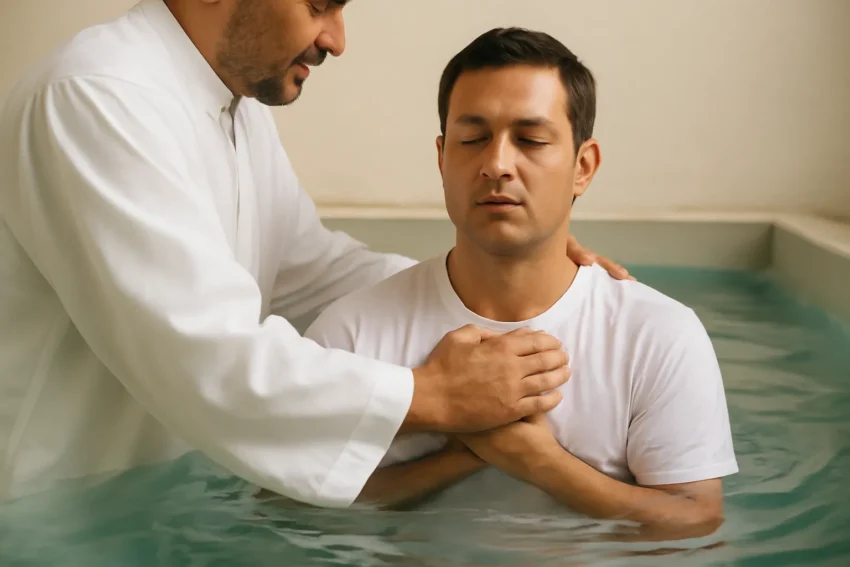
Introduction to Believer’s Baptism: Meaning, Scriptural Basis, and Practice
The topic often labeled as Believer’s Baptism has shaped millions of church stories and personal journeys across centuries. In many Christian communities, this practice is spoken of in several related terms—believer’s baptism, baptism of believers, credobaptism, and adult baptism—each signaling a distinctive emphasis about when a person can be baptized and why baptism matters. While the exact shape of the practice varies among different traditions, the core idea remains consistent: baptism as a response to personal faith and as a meaningful expression of allegiance to Jesus Christ.
This article surveys three essential axes of the topic: the meaning of baptism for the believer and the church, the scriptural basis that undergirds the practice, and the varied practice of believer’s baptism in diverse Christian communities. Along the way, we will consider how a person moves from hearing the gospel to publicly confessing faith, and how baptism becomes a visible sign of an inward transformation—what some traditions call a public profession of faith.
Meaning: What Believer’s Baptism Is and Is Not
To speak clearly about believer’s baptism is to distinguish two closely related questions: what is the meaning of baptism? and who should be baptized? Across denominations, the first question centers on the symbolism and purpose of the rite; the second concerns eligibility and timing.
In many Christian traditions, baptism is understood as an ordinance or sacramental sign that God gives to the church for the sake of discipleship. In these views, baptism is not thought to be a means of salvation by itself but a visible, tangible act that confirms a genuine interior conversion and unites a believer with the body of Christ. In this sense, believer’s baptism places a high value on personal faith and voluntary commitment.
Key features that often define credobaptism—the technical term sometimes used in theological discussions—include:
Voluntary faith as the prerequisite for baptism: a person must profess personal belief in Jesus Christ.
Public confession: baptism is typically publicly enacted before the church and the world.
Identification with Christ’s death and resurrection: baptism symbolizes dying to an old self and rising to new life (Romans 6:3–4).
Identification with the church: baptism marks entry into the community of Jesus’ followers and often into church membership.
Mode and order: many traditions insist on immersion and, in some cases, baptism after a credible profession of faith and after a period of instruction.
Doctrinal distinction from infant baptism in communities that practice it: believers’ baptism often emphasizes a conscious choice rather than infant faith as the prerequisite for baptism.
The discussion above helps distinguish believer’s baptism from other baptismal approaches in Christian history. While infant baptism, for example, is a long-standing practice in many denominations and is often connected to the covenantal community of faith, adult or believer’s baptism places the agency of response squarely in the hands of a person who can articulate faith in Christ. In practice, churches that emphasize baptism upon profession of faith may describe baptism as a step of obedience that follows genuine repentance and faith, not as an act that generates saving grace by itself.
Scriptural Basis: What the Bible Says About Believer’s Baptism
The rationale for believer’s baptism is rooted in biblical texts that describe the sequence of conversion, baptism, and incorporation into the church. Although there is not a single, exhaustive verse that spells out every aspect of the practice, a constellation of passages is commonly cited in favor of credobaptism and the mode of immersion.
Key New Testament Texts and Theological Threads
The foundation for the practice often rests on several critical passages that speak to belief, baptism, and the identification with Christ:
Matthew 3:13–17: Jesus is baptized, and after his baptism the Spirit descends; this event is often cited to underscore baptism as an important, divinely affirmed act in the life of a follower of Christ. While this narrative is about Jesus, it anchors baptism as a divinely sanctioned rite in the gospel story.
Matthew 28:19–20 (The Great Commission): “Go therefore and make disciples of all nations, baptizing them in the name of the Father and of the Son and of the Holy Spirit, teaching them to observe all that I have commanded you.” This passage is frequently cited as the canonical basis for baptizing new disciples and for the missionary impulse of baptism as a first act in obedience after faith.
Acts 2:37–41: The crowd asks Peter what they should do after hearing the gospel; Peter’s reply is to repent and be baptized, and those who are baptized are added to the church. This text is often highlighted for highlighting both repentance and baptism in sequence as a transformative response to the gospel.
Acts 8:12–13, 36–39 (Samaria and the Ethiopian eunuch): When people believed the good news about Jesus, they were baptized—illustrating belief as a prerequisite for baptism in these narratives. The Ethiopian’s baptism is notable for its moment of decision and its readiness for immersion as a public declaration of faith.
Acts 16:31–33 (Paul and the Philippian jailer): The jailer believes and is baptized immediately, reinforcing the association between faith and subsequent baptism in early Christian practice.
Romans 6:3–4 and Colossians 2:12: The language of baptism as burial with Christ and raised through faith highlights the symbolic connection between baptism and the believer’s union with Christ in death, burial, and resurrection.
Galatians 3:27 (clothed with Christ): This verse speaks to a transformation that accompanies baptism and faith, often seen as spiritual identification with Christ.
1 Peter 3:21: Baptism as not saving by itself but as a pledge of a good conscience toward God, interpreted by many as emphasizing the faith response that baptism accompanies rather than functions as a magical act.
A robust case for immersion as the customary mode rests on the linguistic sense of the Greek word baptizo (to dip, to immerse) and on biblical scenes like Jesus coming up out of the water after baptism (Matthew 3:16). Those who advocate for immersion in believers’ baptism often argue that immersion most powerfully represents the underlying imagery of death to sin and rising to new life—an allegory consistent with the language used in Romans 6 and Colossians 2.
It is important to note that different traditions may understand the scriptural data in nuanced ways. Some groups allow or practice pouring or sprinkling as valid expressions of baptism when immersion is impractical, especially in contexts where water is scarce or in places where immersion is not feasible for historical, climate, or health reasons. In such cases, the intention behind the rite—faith in Christ and public witness—is seen as essential, even if the method differs. The crucial distinction remains between believer’s baptism by faith and infant baptism by household or covenant creed in other traditions.
The Relationship Between Faith, Baptism, and Church Membership
Many scholars and church practitioners argue that belief precedes baptism and that baptism serves as a visible sign of that inner acceptance of Christ. In this view, baptism functions as a doorway into the life of the church, a step of obedience that follows conversion, and a seal of the believer’s new identity in Christ. Some denominations connect baptism to church membership, requiring baptism as a prerequisite to joining a local congregation. Others emphasize baptism as a personal, non-negotiable step of obedience that stands independently of formal membership processes, while still functioning as a communal act that invites the church into the narrative of a believer’s transformation.
Practice: How Believer’s Baptism Is Carried Out Across Traditions
Across Christian history, different traditions have shaped divergent practices around the rite, reflecting distinct theological commitments about authority, salvation, and ecclesial life. Below is a broad survey of how believer’s baptism or related forms are implemented in various streams of the church.
Historical Overview and Key Traditions
Baptist and Anabaptist traditions: These communities typically practice believer’s baptism by immersion, following a credible confession of faith, often after a period of catechesis or instruction. Entrance into church membership is usually contingent on baptism and a personal profession of faith. Anabaptist groups, in particular, emerged with the conviction that baptism should occur only after a personal and conscious decision to follow Christ, often excluding infant baptism from their historical practice.
Evangelical free churches and many non-denominational groups: Commonly emphasize adult baptism by immersion or, in some contexts, by pouring when immersion is impractical. The focus is on a voluntary response to the gospel and a public proclamation of faith.
Reformed and Presbyterian churches: These communities have historically practiced infant baptism, interpreting baptism as a sign of the covenant and the church’s inclusion. Some congregations within these streams also provide a later opportunity for a believers’ baptism when a person who was baptized as an infant makes a personal profession of faith or when a convert joins from another tradition that emphasizes credobaptism. In these settings, baptism remains deeply linked to faith and to the church’s mission, even when the timing and mode differ from the more explicit believer’s baptism model.
Anglican and Methodist circles: The Anglican and Methodist families generally practice infant baptism, while many congregations within these groups also allow for a later believer’s baptism for those who publicly profess faith after childhood. In practice, the balance between infant baptism and adult baptism can reflect historical tradition, pastoral context, and biblical interpretation.
Catholic and Orthodox traditions: These churches emphasize infant baptism as the norm, with infant baptism understood as incorporation into the life of faith through the sacramental life of the church. Converts may undergo a later step—often called confirmation or chrismation—after baptism. Some converts who have already received infant baptism may declare a personal commitment later in life, but the baptism itself is generally not repeated.
Church of Christ and many Pentecostal churches: These groups often insist on baptism by immersion for those who have professed credible faith, interpreting baptism as a personal, conscious response to the gospel that joins one to Christ and to the church body.
Proclamation of faith: The candidate publicly confesses faith in Jesus Christ as Lord and Savior. This may include a brief testimony or a formal profession of faith.
Preparation and instruction: The candidate often participates in a period of catechesis or faith formation to understand the meaning of baptism and the responsibilities of discipleship.
Pastoral and congregational affirmation: The church leadership and the congregation acknowledge the candidate’s profession of faith and readiness for baptism.
The baptismal act: The formal act of baptism—usually by immersion in water in most credobaptist settings. In other contexts, pouring or sprinkling may be used if immersion is impractical, with the symbolic meaning preserved in the rite.
Post-baptismal instruction and integration: After baptism, the new believer is often welcomed into church membership and participates in ongoing discipleship, baptismal vows, and the life of the local congregation.
Ecclesial and Theological Considerations
Believer’s baptism raises a number of theological questions that churches address in light of their broader doctrines. For example:
Authority of Scripture: How does a church interpret key passages about baptism, faith, and church membership? Different traditions anchor their practice in different biblical readings and theological traditions.
Ecclesiology: What is the nature of the church’s membership and the requirement of baptism for communal life? For some, baptism is a gate into church membership; for others, it remains primarily a public witness that accompanies but does not strictly determine membership.
Pastoral considerations: How should pastors handle converts from other faith traditions, or individuals who grew up in communities with infant baptism? Many churches emphasize grace and discernment in welcoming new believers who come from different baptismal backgrounds.
Historical Development: From Early Church to Modern Practice
The practice of believer’s baptism did not emerge fully formed in the earliest centuries of the church, but rather developed in particular historical and theological contexts. In the early centuries, infant baptism and baptism as a rite of the church’s covenant community were commonly practiced in many regions. The rise of the Reformation in the 16th century sparked renewed emphasis on personal faith and repentance as prerequisites for baptism, contributing to the emergence of credobaptist positions among groups like the Anabaptists and later the Baptists.
An influential thread in the story of believers’ baptism is the conviction that baptism should follow a conscious decision to follow Christ, not precede it by default because of a child’s inclusion in a covenantal community. This line of thinking led to a broader revival of adult baptism in certain Protestant streams and became a defining element of Baptist identity and later of many evangelical and free church movements. At the same time, communities that maintain infant baptism have continued to articulate a coherent theology of baptism within a covenantal framework, arguing that baptism initiates infants into the life of grace as God’s covenant people, even as those infants mature in faith.
Why Churches Embrace Believer’s Baptism: Theological and Practical Rationale
For many believers and church leaders, believer’s baptism expresses a core conviction about how a person enters into the life of Christ and the church. The rationale often includes:
Freedom of conscience: The public declaration of faith rests on the person’s own choice, not on the status of their birth or upbringing.
Credibility of profession: Baptism is meaningful when it accompanies genuine belief, repentance, and trust in Christ’s gospel.
Discipleship emphasis: Baptism is the first major act of discipleship after conversion, signaling a commitment to lifelong growth in Christ.
Sign of union with Christ: The symbolic death, burial, and resurrection in baptism reflect the believer’s solidarity with Christ’s death and resurrection.
Commendation of the gospel to the world: Public baptism proclaims the gospel crisis moment in the life of an individual and invites onlookers to consider the gospel’s claims.
In contrast, communities that practice infant baptism highlight a different theology: covenantal inclusion and the nurture of faith within the family and the church community. In those settings, baptism is not opposed to personal faith but is understood as a sign of God’s grace working through a family and community to bring children into a life of discipleship that unfolds as they mature.
Practical Implications for Individuals and Churches
For individuals exploring the question of baptism, the following considerations are often central:
Personal faith: Have you made a credible decision to trust Christ as Lord and Savior?
Understanding of the gospel: Do you understand the gospel well enough to articulate how Jesus’ life, death, and resurrection relate to your life?
Public confession: Are you ready to testify to your faith publicly in the context of the local church?
Church alignment: Is the local church in which you are participating supportive of believers’ baptism by immersion or by the method your tradition endorses?
Pastoral guidance: Have you engaged in the necessary preparation or catechesis offered by your church to ensure you understand the commitments involved?
For churches and ministers, several practical questions shape how believer’s baptism is administered:
Doctrinal alignment: Does the church’s confession of faith support baptism for those who profess faith after a personal encounter with the gospel?
Mode and policy: Is immersion the required mode, or are other modes permissible in certain circumstances, and how is this communicated to the congregation?
Membership implications: Is baptism a gateway to church membership, or a separate rite that accompanies but does not dictate membership?
Pastoral care: How does the church welcome and disciple new believers who come from different baptismal backgrounds?
Common Questions About Believer’s Baptism
The topic often prompts careful questions as people discern the most faithful path forward. Here are common inquiries and concise responses found in many churches that practice believer’s baptism:
Is baptism necessary for salvation? In most traditions that practice credobaptism, baptism is not regarded as the means of saving grace itself; rather it is a Christ-ordained response to saving grace. Faith in Christ is the essential condition for salvation, and baptism functions as an outward sign validating that faith.
What about infants and children? In churches that practice infant baptism, infants are baptized as a sign of covenant inclusion, with the expectation that faith will grow in them as they are taught and nurtured. In churches emphasizing believer’s baptism, infants are not baptized; baptism is reserved for those who can profess personal faith.
Why immersion? For many, immersion embodies the imagery of death, burial, and resurrection and reflects the original Greek verb baptizo meaning to dip or immerse. Yet in emergency or practical scenarios, other modes may be used while preserving the intended meaning of the rite.
What if someone was baptized before becoming a Christian? In general, baptism is tied to personal profession of faith; if a prior baptism did not involve a credible confession of faith, churches may encourage a subsequent believer’s baptism after a genuine conversion experience.
Can someone be baptized more than once? In most traditions that practice credobaptism, baptism is a one-time rite linked to a decisive personal decision. Some communities allow reaffirmation of baptism or a baptism of a new profession of faith if a person changes church membership or experiences a new step in discipleship.
Conclusion: The Significance of Believer’s Baptism Today
Across the spectrum of Christian practice, believer’s baptism remains a potent symbol of transformation, obedience, and belonging. It is a rite that locates faith in a concrete moment and a visible act. For many Christians, the baptismal moment marks the beginning of a lifelong journey of discipleship, whereby a person grows in grace, learns to follow Jesus, and participates in the mission of the church to proclaim the gospel to the nations.
Whether one reads the biblical texts as a seamless narrative of faith and baptism or as a collection of historical practices that developed differently in various contexts, the essential claim remains: baptism is a public declaration that a person has entrusted their life to Christ and desires to live as part of his church. This declaration is not a private ceremony but a communal act that invites others into the story of grace. Through the ongoing life of the church, believers’ baptism functions as a hinge moment—bridging past obedience to present discipleship and future hope in the life to come.
Believer’s baptism thus stands at the intersection of faith, witness, and fellowship. It is a practice that invites thoughtful reflection, careful teaching, and faithful living. As churches and believers navigate changing contexts—cultural shifts, questions about religious liberty, and the ongoing task of making disciples—the core significance of baptism as a response to the gospel remains constant: a person’s identification with Christ, a commitment to follow him, and a welcome into the community of those who trust in the risen Lord.
If you are exploring this topic for personal faith, ministry, or academic study, consider engaging with a local church community that can offer you a guided understanding of their particular position, explain the biblical rationale they affirm, and walk with you in the discernment and preparation that lead to baptism. Regardless of the exact form your church practices, the central invitation remains: to respond to the gospel with faith and to publicly declare that faith in the waters of baptism—an ancient rite that continues to testify to the transforming power of Jesus Christ.