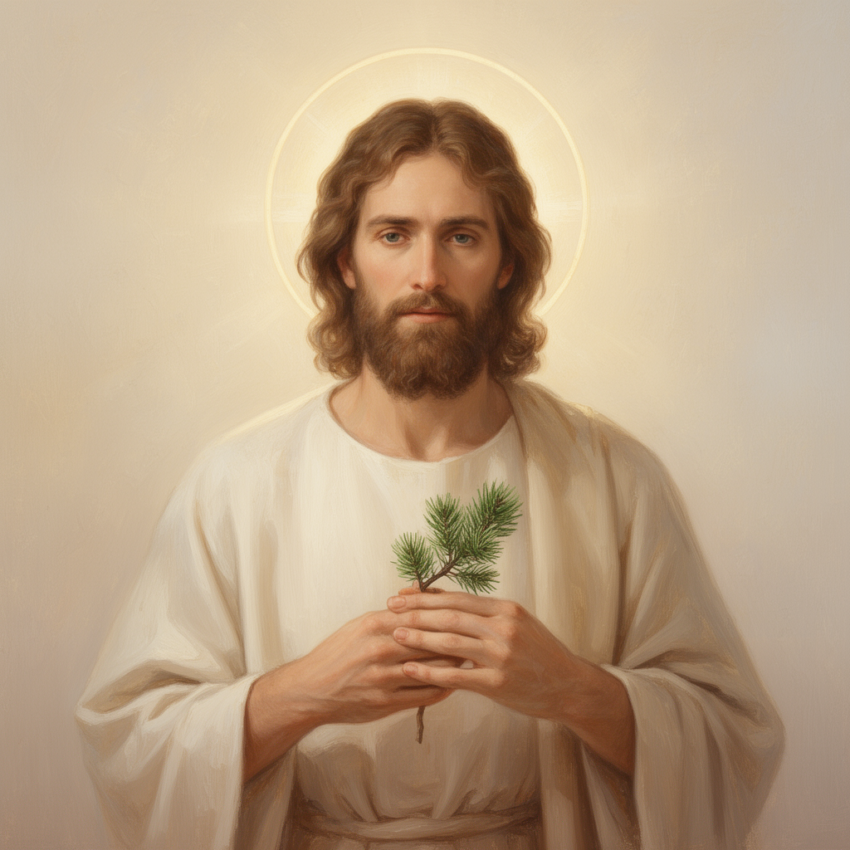
🔬 Pinus sylvestris (Debated: other possible species such as Pinus nigra or Pinus halepensis) · 📜 קרֶן (keren) in Hebrew, (kērós) in Greek – often translated as 'horn' or 'coral', but debated among scholars
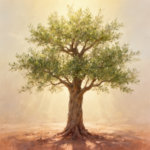
Pines are coniferous evergreens reaching 20-40 meters tall, with straight, tall trunks and a conical crown. Their needle-like leaves grow in pairs or bundles of two to five, generally 5-10 inches long, green and rigid. Cones vary in size but often are woody and spiny. the bark is thick, scaly, and varies from reddish-brown to grayish. Pines thrive in well-drained, sandy or rocky soils, preferring full sun. Their aromatic resins and durable wood have made them valuable throughout history.
Scientific Name
Pinus sylvestris (Debated: other possible species such as Pinus nigra or Pinus halepensis)
Hebrew/Greek Name
קרֶן (keren) in Hebrew, (kērós) in Greek – often translated as 'horn' or 'coral', but debated among scholars
Common Names
Pine, Evergreen Pine
Native Habitat
Native to the Northern Hemisphere, pines are prevalent in the forests of Europe, Asia, and North America. In the Middle East, species like Pinus halepensis grow in Mediterranean climates with hot, dry summers and mild, wet winters, thriving on rocky soils and hillsides.
First Biblical Mention
While the specific word 'pine' appears later in translations, conifers like pine are inferred from references to high, majestic trees in passages like Ezekiel 17:22-23.
Describes the cedar and other trees, with the cedar often linked to coniferous trees like pine in tradition.
Symbolizes strength, majesty, and divine sovereignty in prophetic imagery.
Psalm 92:12
Describes the righteous flourishing like a palm or cedar, which has been associated with conifers and pines in biblical imagery.
Connotes enduring vitality and steadfastness.
Isaiah 41:19
Mentions forests planted with cypress, fir, and pine to signify richness and vitality.
Represents abundance and the divine creation’s grandeur.
✨ Symbolic Meaning in Scripture
In biblical symbolism, pine trees represent resilience, endurance, and steadfastness due to their evergreen nature. They symbolize divine majesty and the eternal life promised in scripture. Pines' long-lasting wood and resilient foliage reflect qualities of strength and enduring faith. In prophetic contexts, their towering presence and aromatic resins evoke divine glory and sanctity. The evergreen aspect signifies eternal life and divine blessing, inspiring hope and perseverance amid challenges. Their use in sacred structures and ornamental settings underscores themes of divine permanence and protection.
🏺 Cultural Uses in the Ancient World
Ancient peoples, including Israelites and neighboring cultures, utilized pine wood for construction, religious temples, and sacred furniture due to its durability. Resins from pines were used medicinally—for healing wounds and aromatic purposes. Pine nuts served as food sources, and the aromatic resins had a role in rituals and embalming practices. Its resin and timber were traded, valued for their protective and preservative qualities, underscoring the plant's economic and spiritual importance in the ancient Near East.
✡️ In Jewish Tradition
Though direct mentions are limited, pines are associated with strength and endurance in rabbinic literature. They are sometimes linked to the idea of eternal life and divine protection. The evergreen nature symbolizes the continuous covenant and divine blessing upon the people of Israel, especially during festive seasons that emphasize God's enduring promises.
Christians interpret trees like pines as symbols of eternal life and divine majesty. The evergreen quality mirrors Christ's eternal nature and the hope of everlasting life. In Christian art and decoration, such trees are used as symbols of restoration, resurrection, and divine endurance, emphasizing spiritual resilience amidst life's trials.
🔬 Modern Botanical Identification
Botanically, the pine is generally identified as Pinus sylvestris or related species like Pinus halepensis in the Middle Eastern context. While historic identifications are debated, most scholars agree on conifers resembling pines based on biblical descriptions. Alternative candidates include firs or cypress, but pines remain the most probable candidate based on geographic and botanical evidence.
🗺️ Where Is It Found Today?
Pines are still abundant in Israel, especially in the Carmel Mountain range, Galilee, and the Golan Heights. They grow naturally in Mediterranean forests and cultivated in parks and reforestation projects across the region.
❓ Frequently Asked Questions
Are pines mentioned directly in the Bible?
While the word ‘pine’ does not appear explicitly, biblical references to tall, majestic trees like cedar are often associated with conifers such as pines. Scholars infer pines based on descriptions of enduring, evergreen trees found in prophetic and poetic passages.
What is the symbolic significance of pines in scripture?
Pines symbolize resilience, eternal life, divine majesty, and strength. Their evergreen nature underscores themes of everlasting life and divine protection, making them important spiritual symbols throughout biblical tradition.
Can pines be found growing naturally in Israel today?
Yes, several pine species, notably Pinus halepensis (Aleppo pine), grow naturally in Israel’s Mediterranean regions, especially in the Carmel and Golan Heights, thriving in rocky, dry soils.
✨ Did You Know?
Pine resin has been used since ancient times in the Middle East as an adhesive and waterproofing agent, including in Egyptian mummification. Archaeological discoveries show pine wood was highly valued in biblical and post-biblical trade for construction and ritual purposes.