Bramble refers to a range of thorny shrubbery, often within the Rubus genus, characterized by sprawling, woody stems, sharp thorns, and compound leaves. It produces small white or pink flowers in late spring, which develop into aggregate black or red berries, edible and often sweet. These plants thrive in temperate regions, preferring well-drained soils with ample sunlight. They can reach up to 2 meters tall, with canes that spread via aggressive rooting. Their dense, thorn-covered structure provides shelter for wildlife, while their berries are vital food sources. The harsh thorns serve as a natural defense against herbivores and contribute to their symbolic representations of pain and humility.
Scientific Name
Debated (likely Rubus fruticosus or related species)
Native to Eurasia and North America, brambles flourish in temperate zones, particularly in the Mediterranean basin, parts of the Middle East, and North Africa. They grow well in disturbed soils, woodland edges, and hedgerows, thriving in regions with moderate rainfall and well-drained, loamy soils. Their adaptability has allowed them to spread widely across the Near East, including Israel.
First Biblical Mention
Genesis 3:18 – The curse bestowed upon Adam and Eve's descendants, involving thorns and thistles.
God curses the ground and mentions thorns and thistles as part of mankind’s toil after the Fall.
The bramble symbolizes the curse, suffering, and human mortality, representing the toil and pain associated with human sin and the curse placed upon creation.
Judges 9:14-15
The story of the bramble as a metaphor for destructive leadership and false authority.
It underscores themes of strength, hubris, and the perils of unchecked power, with the bramble acting as a symbol of thorns representing hardship and entrapment.
Psalm 58:9
A poetic plea for divine justice, mentioning the wasting away of the wicked like a
The imagery aligns with the idea of thorns and decay, symbolizing divine judgment and the suffering of the wicked.
✨ Symbolic Meaning in Scripture
The bramble in biblical symbolism epitomizes pain, humility, and human imperfection. Thorns, originating from the bramble, represent the consequence of the Fall, embodying suffering, toil, and the burdens borne by humanity. It also serves as a reminder of divine judgment and the need for humility and reliance on divine grace. Conversely, in some contexts, the bramble's resilience and persistence symbolize endurance and the potential for rebirth or spiritual growth amid hardship. Its imagery underscores the tension between human frailty and divine sovereignty, pointing to the broader biblical narrative of restoration through humility and repentance. Overall, the bramble's symbolism weaves themes of suffering, repentance, and hope in biblical theology.
🏺 Cultural Uses in the Ancient World
In ancient Israel and surrounding regions, brambles and their berries were used as food, especially when cultivated for their fruit like blackberries and raspberries. Their thorns made them useful in making natural fences and barriers to protect crops. Medicinally, parts of the plant were sometimes used in traditional remedies for ailments. The dense, thorny branches also had symbolic roles in rituals and as natural barriers in land and property delineation. Trade in berry-producing brambles extended within local economies, and their resilience made them common in pastoral and agricultural settings.
✡️ In Jewish Tradition
The bramble's thorns symbolize humility and the dangers of pride within Jewish teachings. In rabbinic literature, the thorny bush is often referenced as a metaphor for humility and the need to guard against arrogance. During certain festivals, thorny branches are used in symbolic processions or as reminders of human frailty. The imagery of thorns also appears in biblical commentaries as an allegory for sin and repentance, emphasizing spiritual humility before God.
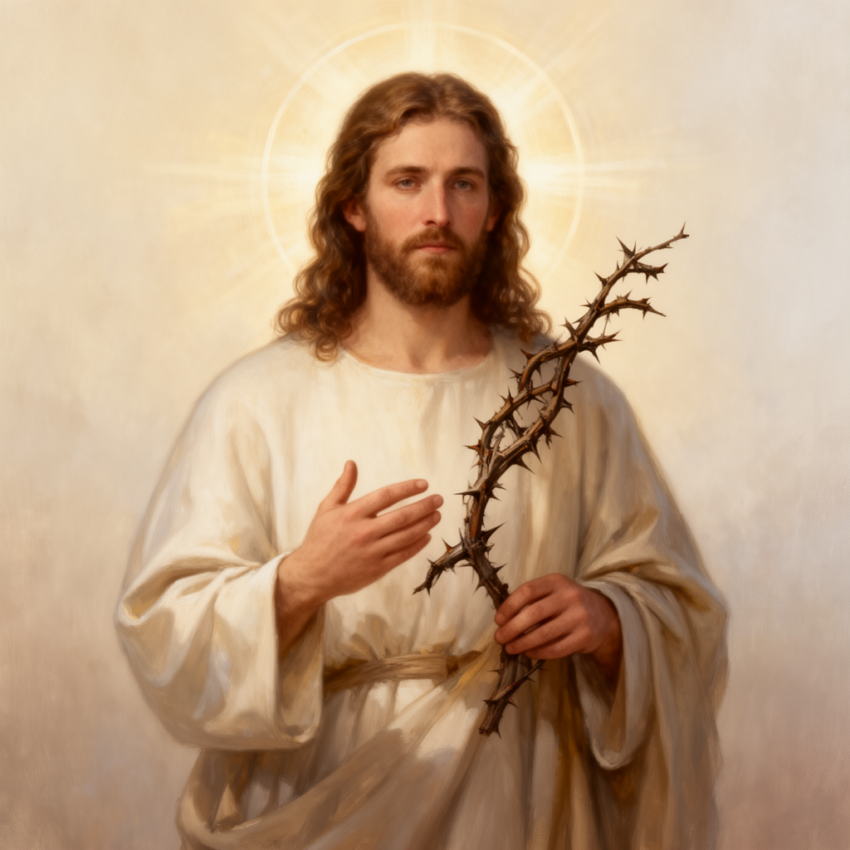
Christian interpretations often view the bramble, with its thorns, as emblematic of Christ's suffering—most notably the crown of thorns worn during the Passion. It symbolizes human sinfulness, the burdens of sin, and the redemption purchased through suffering. The thorny bush also represents humility and the need for spiritual cultivation, transforming suffering into spiritual growth. The imagery of the bramble's thorns has been used in sermons and theology to remind believers of Christ’s sacrifice and the importance of humility and penitence.
🔬 Modern Botanical Identification
Scholars generally identify the biblical bramble with various thorny species in the Rubus genus, predominantly blackberries (Rubus fruticosus) or similar bramble bushes common in the Middle East. However, there is no definitive botanical consensus due to the vague biblical descriptions and the diversity of thorny shrubs in the region. Some suggest that the term may generically refer to any thorny shrub rather than a specific species.
🗺️ Where Is It Found Today?
Today, bramble species, including blackberries and wild raspberries, grow wild or are cultivated in Israel, the broader Middle East, and southern Europe. They thrive in regions with moderate climates, especially in hedgerows, forest margins, and disturbed lands across Israel and neighboring countries, maintaining their cultural and ecological presence.
❓ Frequently Asked Questions
Are biblical brambles the same as modern blackberries?
They likely refer to similar thorny bush species like blackberries, but the biblical term ‘bramble’ may describe a broader category of thorny plants, not a specific modern species.
What is the spiritual significance of thorns in the Bible?
Thorns symbolize pain, human suffering, humility, and the consequences of sin. They also foreshadow Christ’s crown of thorns, representing sacrifice and redemption.
Can bramble bushes still be found growing naturally today?
Yes, wild bramble species like blackberries grow across Israel and the Middle East, thriving in hedgerows, forest edges, and disturbed lands.
✨ Did You Know?
Bramble bushes have been cultivated since ancient times for their appetizing berries. Archaeological finds in the Middle East suggest wild brambles provided a food source during biblical times, and their thorns have historically been used for fencing and natural barriers in ancient agriculture.