The Crown of Thorns Plant in the Bible: Botanical and Theological Insights
🔬 Euphorbia milii (Debated, possibly related to Euphorbia genus or Ziziphus spina-christi) · 📜 Hebrew: חַיִל־עֲנָפִים (Chayil- Anafim), Greek: Στέφανος (Stephanos)
Crown of ThornsBiblical PlantsSymbolismMedicinal PlantsReligious Significance
Euphorbia milii, commonly known as the Crown of Thorns, is a woody shrub or small tree reaching 1-2 meters tall. It features sharp, spine-covered branches and leathery, ovate leaves. Bright red, pink, or yellow bracts surround small flowers that bloom year-round under warm conditions. Its sap is milky and toxic. Preferring well-drained soil and full sun, it thrives in arid and semi-arid environments, often cultivated as an ornamental in gardens, especially in Mediterranean and Middle Eastern regions.
Scientific Name
Euphorbia milii (Debated, possibly related to Euphorbia genus or Ziziphus spina-christi)
Native to Madagascar, but widely cultivated throughout the Middle East, North Africa, and Mediterranean regions. It grows well in rocky, well-drained soils with ample sunlight, typical of arid and semi-arid climates.
First Biblical Mention
Matthew 27:29, the first explicit biblical mention linking the plant to the Passion narrative.
📖 Biblical References
Reference
Context
Significance
Matthew 27:29
Soldiers place a crown made of thorns on Jesus’ head before His crucifixion
Symbolizes mockery of Jesus’ kingship and the suffering inflicted upon Him, often associated with pain and sacrifice.
John 19:2
Pilate’s soldiers crown Jesus with a ‘garland of thorns’ during mockery
Highlights the fulfillment of prophecy and the plant’s symbolic link to suffering and sacrifice.
Throughout Scripture, the Crown of Thorns symbolizes suffering, humility, and sacrifice. It signifies the pain Jesus endured for humanity's salvation, transforming physical suffering into spiritual redemption. Spiritually, it reminds believers of humility in the face of adversity and the divine importance of sacrifice. The plant's thorny nature emphasizes the cost of salvation, while its placement on Christ signifies crowning sovereignty through suffering. As a symbol, it underscores themes of humility, sacrifice, and divine love, often inspiring reflection on suffering's role in spiritual growth and redemption.
🏺 Cultural Uses in the Ancient World
Historically, the plant's thorns have been used locally for medicinal purposes, such as treating wounds or inflammation. Its hardy branches were also employed in constructing fences or barriers. In-medieval and modern times, cultivated as an ornamental, the plant also plays a role in religious symbolism, especially during Holy Week in Christian communities. Its resilience symbolizes endurance and faith in many Near Eastern cultures, and it was traded across regions as a decorative and sacred plant.
✡️ In Jewish Tradition
While the Crown of Thorns is not a central Jewish symbol, related plants like Ziziphus spina-christi have significance in Jewish tradition, often associated with the Swords of the Temple or used in ornamentation. The plant's thorny branches are sometimes linked to biblical imagery of suffering and resilience, but it does not feature prominently in Jewish customs or festivals directly. Its symbolism aligns more with Christian interpretations than traditional Jewish symbolism.
✝️ In Christian Tradition
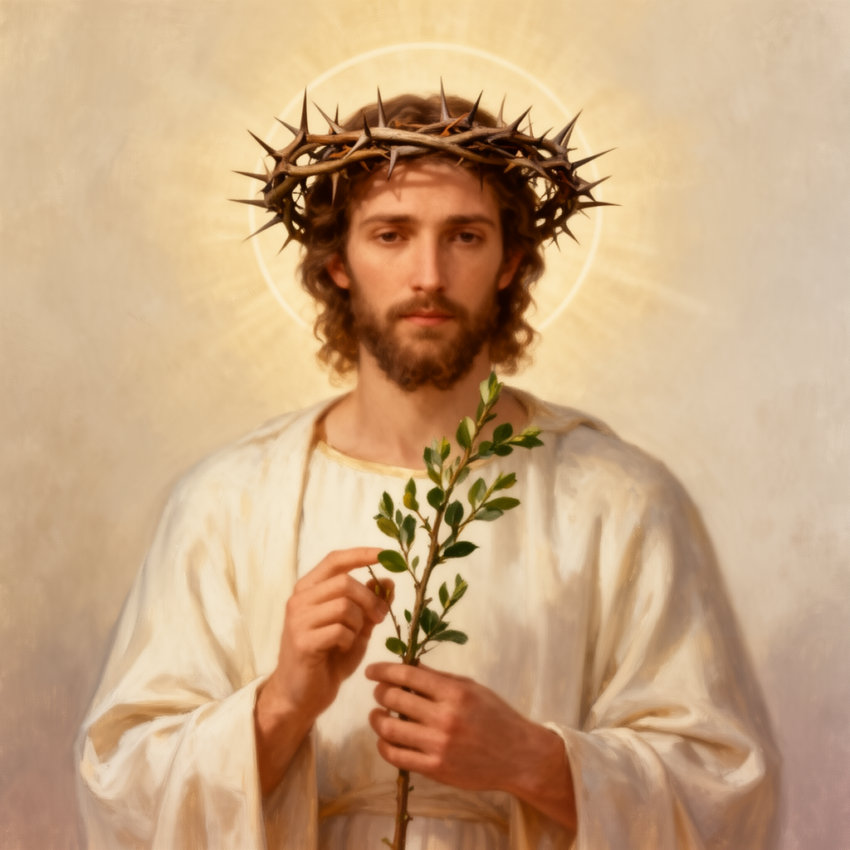
Christians see the Crown of Thorns as a powerful symbol of Christ's suffering and kingship. It embodies humility, sacrifice, and divine sovereignty, reminding believers of Jesus' passion and the redemptive power of suffering. Iconography often depicts Christ wearing the crown to emphasize His role as the suffering King, and it serves as a focal point during Holy Week celebrations, inspiring reflection and devotion.
Botanically, Euphorbia milii is the leading candidate for the biblical Crown of Thorns plant, but some scholars suggest Ziziphus spina-christi or other thorny shrubs. No definitive consensus exists, as archaeological findings of thorn samples remain inconclusive, and the plant's symbolic associations have led to multiple identifications. Euphorbia's widespread cultivation and distinctive appearance make it the most probable candidate today.
🗺️ Where Is It Found Today?
Euphorbia milii is extensively grown in Israel, Lebanon, and throughout the Middle East as an ornamental shrub. It thrives in Mediterranean gardens, desert landscapes, and botanical collections across regions with similar climates, making it accessible for observation and cultivation.
❓ Frequently Asked Questions
Is Euphorbia milii definitely the plant used for the biblical crown of thorns?
While Euphorbia milii is the most popular modern candidate due to its thorny branches and historical cultivation, there is no definitive archaeological proof. Other candidates include Ziziphus spina-christi, but scholarly consensus remains open.
What is the significance of the thorns in biblical tradition?
Thorns symbolize suffering, hardship, and divine sacrifice. In the context of Jesus’ Passion, they represent His humility and the pain endured for humanity’s salvation, serving as a spiritual reminder of sacrifice.
Are there any dangers associated with the plant?
Yes, Euphorbia milii’s sap is toxic and can cause skin irritation or poisoning if ingested. Care should be taken when handling the plant, especially around children and pets.
✨ Did You Know?
The sap of Euphorbia milii is highly toxic and historically used as a poison in some cultures. Archaeological studies have found thorny plant remains near ancient sites, fueling debates about the specific plant used for the biblical crown of thorns, but definitive evidence remains elusive.