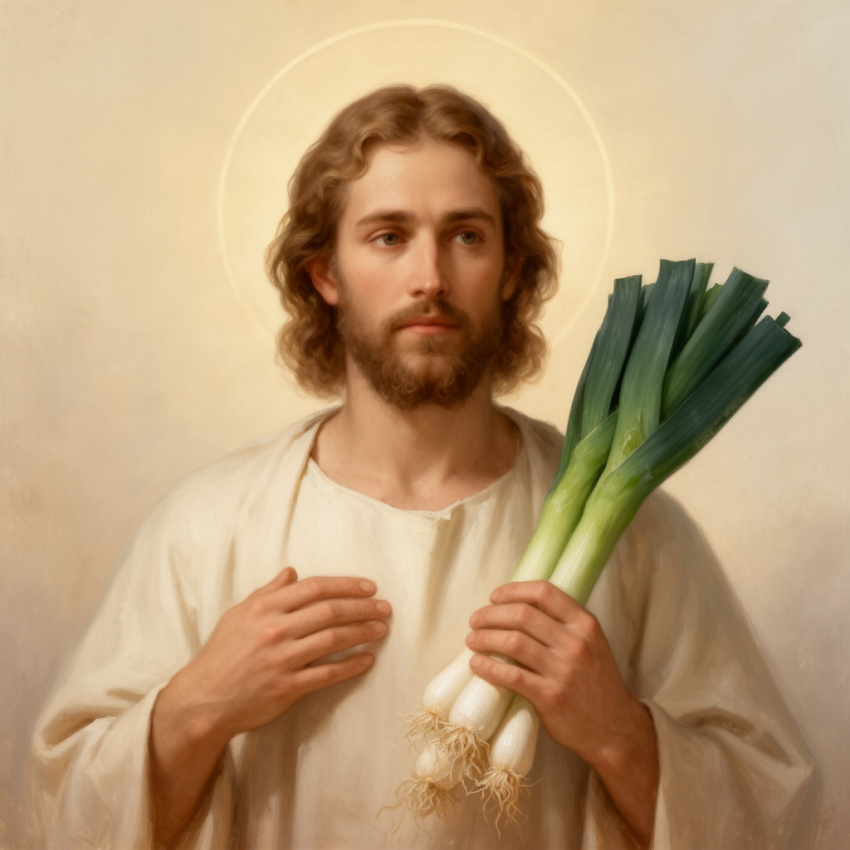
Leeks are perennial onion-like plants characterized by tall, cylindrical, hollow green leaves that form a basal rosette. They grow up to 60-70 cm tall, with a thick, white, bulbous base that resembles a large scallion. Their flowers are rod-shaped clusters with small, white or pale purple blossoms. The plant prefers temperate climates, thriving in well-drained, fertile soils with plenty of moisture. It produces edible white stems and a strong, onion-like aroma, making it a versatile culinary herb. The plant’s robust structure and pungent flavor have made it a staple in kitchen gardens across the Mediterranean and Middle East since antiquity.
Native to Central Asia and the eastern Mediterranean region, especially Israel, Turkey, and surrounding areas, leeks thrive in temperate climates. They prefer deep, fertile soils rich in organic matter and require consistent moisture. Historically cultivated along river valleys and in Mediterranean gardens, they are well-adapted to dry, sunny environments with mild winters.
First Biblical Mention
Numbers 11:5 – The Israelites remember eating leeks and other vegetables in Egypt.
📖 Biblical References
Reference
Context
Significance
Numbers 11:5
The Israelites recall the variety of foods they enjoyed in Egypt, including leeks, garlic, and onions.
This reference highlights leeks as part of the staple diet of the Israelites during their enslavement, symbolizing the longing for familiar flavors and comfort foods from their past.
Song of Solomon 2:12
Poetic depiction of springtime, emphasizing the sweetness and freshness of nature, with possible allusions to blooming leeks.
While not explicitly named, leeks may symbolize vitality and restorative renewal in poetic passages.
Leeks in biblical and spiritual contexts often symbolize nourishment, dependence on divine provision, and the longing for comfort amidst hardship. Their prominence in Egypt's diet reflects a sense of familiarity and sustenance during captivity. Spiritually, they can represent the longing for spiritual nourishment and God's care in times of desert or wilderness wandering. The plant’s strong smell and flavor may also symbolize purification or the intense desires and passions inherent in human experience. In biblical symbolism, the leek’s humble yet vital role underscores themes of dependence on divine provision and the recognition of God's grace as the true source of sustenance through life's hardships and spiritual journeys.
🏺 Cultural Uses in the Ancient World
Ancient Israelites and Near Eastern peoples cultivated leeks not only as a vital food source but also for medicinal purposes, believing they promoted strength, healing, and protection against evil spirits. They were used in stews, salads, and offerings, and their pungent aroma was valued in trade. Leeks also featured in rituals and offerings, symbolizing vitality and divine blessing. Their cultivation in terraces and gardens reflected their importance in daily life, with some cultivating specific varieties for medicinal or ceremonial use. Trade routes carried dried or preserved leeks, underscoring their value across the region.
✡️ In Jewish Tradition
Leeks are mentioned in traditional Jewish texts as part of the Passover Seder plate, symbolizing the gratitude for sustenance and divine provision. Some rabbinic sources highlight their role in the diet of the ancient Israelites and associate them with cleansing and purity rituals. In historical custom, eating leeks during certain festivals underscores themes of renewal and divine blessing, reinforcing their significance in Jewish dietary laws and spiritual symbolism.
Christians have often viewed leeks as symbolic of humility, nourishment, and the spiritual longing for divine sustenance. In allegorical interpretations, they symbolize the nourishment provided by Christ, the spiritual 'bread' for believers. Their mention in biblical texts reinforces themes of reliance on God's provision during times of spiritual wilderness, echoing the Israelites’ dependence on divine grace like their dependence on humble, nourishing plants.
🔬 Modern Botanical Identification
Scholars generally identify biblical leeks with Allium ampeloprasum, a species closely related to modern cultivated leeks and wild alliums in the Mediterranean. While some have proposed other Allium species like onions (Allium cepa), there is broad consensus that biblical leeks refer to the larger, milder variety of wild or cultivated Allium ampeloprasum. Variations may exist based on regional cultivation and historical usage, but botanical consensus favors this identification.
🗺️ Where Is It Found Today?
Leeks are widely cultivated across Israel, Turkey, southern Europe, and the Mediterranean basin. In Israel, they are part of traditional markets and garden plots, thriving in the fertile Jordan Valley and coastal regions. They are also cultivated in temperate gardens worldwide, often as a winter crop, due to their hardy nature and culinary popularity.
❓ Frequently Asked Questions
Are biblical leeks the same as modern leeks?
Most scholars agree that biblical leeks correspond to Allium ampeloprasum, a variety of wild or cultivated leek. While some historical theories suggest they might be onions or similar Allium species, the consensus points to leeks as the most likely candidate.
What do leeks symbolize in biblical contexts?
Leeks symbolize nourishment, dependence on divine provision, and longing for comfort. They also represent vitality and the human desire for spiritual and physical sustenance amidst hardship.
Can I find biblical leeks today?
Yes, leeks grow well in Israel and Mediterranean regions, especially in temperate climates. They are available in markets and gardens across these areas, continuing their long history of cultivation and use.
✨ Did You Know?
Leeks have been cultivated for over 4,000 years, with archaeological evidence from ancient Egypt and Israel. Interestingly, in bronze-age Egypt, leeks were considered a sacred plant associated with fertility and protection—some ancient amulets depict stylized leek shapes as symbols of warding off evil.