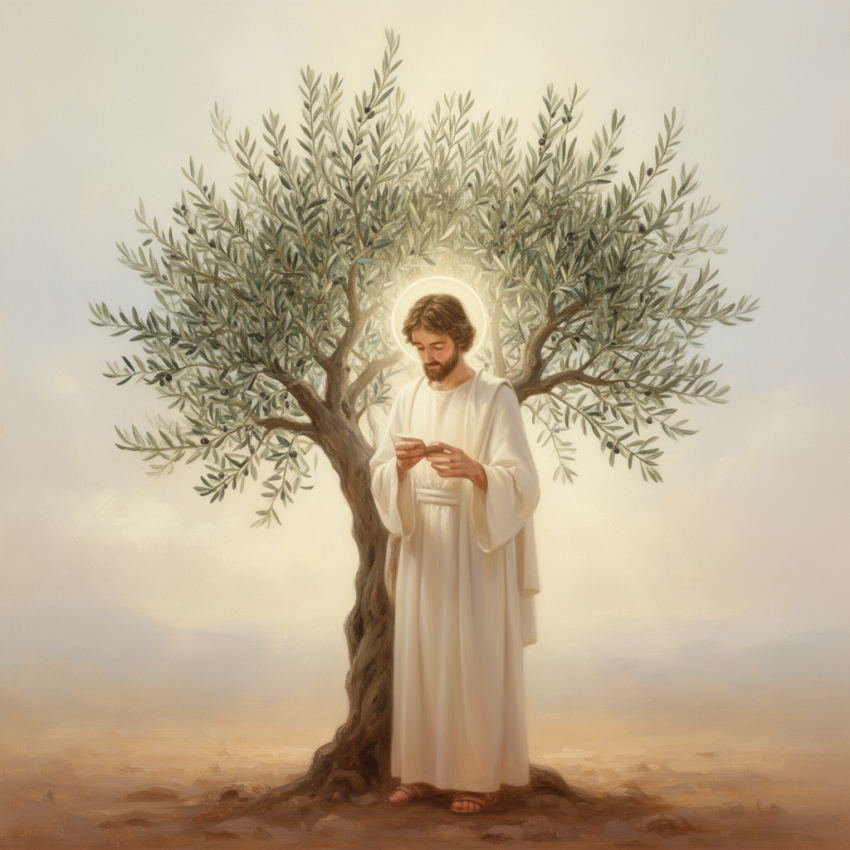
The olive tree (Olea europaea) is a slow-growing, evergreen perennial reaching 8-15 meters in height. It features gnarled, silvery-green, leathery leaves about 4-10 cm long. Its small, white to yellowish flowers cluster in inflorescences that bloom in spring. The fruit, a drupe, ripens from green to blackish-purple, typically about 1.5-3 cm long. Olive trees thrive in well-drained, calcareous soils and Mediterranean climates with hot, dry summers and mild, wet winters. They are highly drought-tolerant once established, capable of living for centuries, often forming gnarled, twisted trunks that reflect their age and resilience. Their hardy nature allows cultivation across arid and semi-arid regions historically and today.
Scientific Name
Olea europaea
Hebrew/Greek Name
Hebrew: זַיִת (Zayit), Greek: ἐλαία (elaía)
Common Names
Olive, Oil Tree, Zayit
Native Habitat
Native to the Eastern Mediterranean basin, including present-day Israel, Palestine, Greece, Turkey, and North Africa, the olive tree prefers coastal areas with Mediterranean climate—hot, arid summers and mild, rainy winters. It grows well in calcareous, rocky soils, often on hillsides or plains, where drainage is excellent. Its cultivation spread throughout ancient Near Eastern civilizations as a vital oil and food source.
First Biblical Mention
Genesis 8:11 — The dove returns with an olive leaf after the flood, marking the earth's renewal.
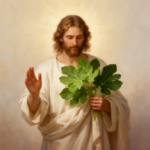
Noah releases a dove that returns with an olive leaf, signaling the receding of floodwaters.
The olive leaf symbolizes peace, hope, and the restoration of harmony between God and creation after the flood.
Psalm 52:8
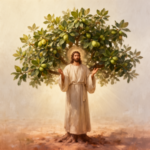
The psalmist compares the righteous to a green olive tree planted by God’s grace.
It underscores divine blessing, stability, and enduring faithfulness.
Romans 11:17-24
Paul describes Gentiles as wild olive branches grafted into the cultivated olive tree, representing spiritual inclusion.
The olive tree symbolizes Israel and the unity of God’s people through faith.
✨ Symbolic Meaning in Scripture
The olive tree in the Bible epitomizes peace, divine blessing, prosperity, and longevity. Its enduring nature represents resilience and hope, while the olive branch symbolizes reconciliation and peace-making among peoples and nations. In biblical theology, the olive illustrates God's covenant and favor; its oil signifies Holy Spirit, anointing, and consecration. The tree's productive yield reflects abundance and divine provision, and its ancient roots evoke historical continuity and divine promise. As a symbol of unbreakable faith and divine salvation, the olive tree sustains spiritual growth and harmony, making it a profound emblem across Jewish and Christian traditions.
🏺 Cultural Uses in the Ancient World
Ancient Israelites cultivated olive trees primarily for producing olive oil, essential for cooking, lighting lamps, and religious rituals such as anointing priests and kings. Olive branches and leaves had decorative and ceremonial uses, often woven into ritual attire and offerings. The wood was valued for construction and utensils, prized for its durability. The trade of olives and oil supported economic stability and cultural exchange in the Near East. Additionally, olive oil’s medicinal properties were recognized in ancient healing practices, and the tree itself held sacred status, reflecting its central role in daily life and worship.
✡️ In Jewish Tradition
In Jewish tradition, the olive tree is a symbol of righteousness, peace, and divine favor. Festivals like Sukkot involve the use of olive branches for lulav and etrog rituals. Rabbinic literature highlights the olive tree's resilience and importance in holy service, emphasizing its role in the Temple offerings. The olive leaf is also seen as a symbol of hope and renewal after adversity, reinforcing its spiritual significance during times of hardship and celebration alike.
Christianity often interprets the olive tree as a symbol of peace, reconciliation, and the Holy Spirit. The olive branch is a universal sign of peace, rooted in biblical accounts of Noah's Ark. Biblical passages equate believers to cultivated olive trees grafted into divine salvation, emphasizing spiritual nurture and unity. The anointing with olive oil in sacraments signifies purity, divine election, and blessing, symbolizing the presence of the Holy Spirit and renewal of faith. Overall, the olive tree symbolizes hope, divine blessing, and the peace wrought through Christ’s sacrifice.
🔬 Modern Botanical Identification
Scholars widely identify the biblical olive tree with Olea europaea, the cultivated and wild forms found throughout the Mediterranean. While ancient olive trees may have included other species, current scientific consensus supports Olea europaea as the archetype. Some debate exists over potential regional variations or wild relatives, but Olea europaea remains the definitive species for biblical and modern identification.
🗺️ Where Is It Found Today?
Today, olive trees flourish across Israel, Palestine, Greece, southern Turkey, and North Africa. In Israel, ancient groves near Jerusalem, Gethsemane, and the Galilee are famous. Olive cultivation continues as a vital agricultural activity, maintaining historical landscapes and supporting local economies. The cultivation practices have modernized but preserve traditional methods rooted in biblical times.
❓ Frequently Asked Questions
Why is the olive tree so important in the Bible?
The olive tree symbolizes peace, divine blessing, and resilience, playing a central role in biblical narratives and spiritual symbolism, representing God’s covenant and hope for renewal.
What does the olive leaf represent in biblical stories?
The olive leaf signifies peace, reconciliation, and divine favor, famously symbolized in Noah’s story as a sign of Earth’s renewal after the flood.
Can olive trees live for hundreds of years?
Yes, olive trees are known for their longevity, often living for centuries, with some ancient specimens over a thousand years old, symbolizing enduring faith and divine providence.
✨ Did You Know?
Some of the oldest known cultivated olive trees still bear fruit, with specimens over 2,000 years old in Lebanon and Israel. Archaeological excavations reveal ancient olive presses dating back to biblical eras, underscoring the crop's historical importance in near-Eastern civilization.