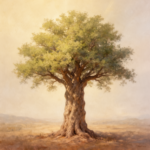
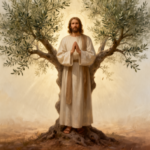
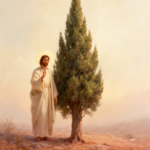
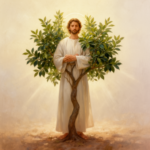
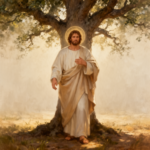
Cedrus libani, the Lebanon cedar, is a majestic evergreen conifer reaching heights of 30-40 meters with a broad, conical crown. Its dark green, needle-like leaves are arranged in dense clusters, and mature trees produce large, erect seed cones. The bark is thick, gray-brown, and deeply fissured. Preferring well-drained limestone and calcareous soils, it thrives in mountainous regions with Mediterranean climates, showing resilience to drought and cold. Its aromatic wood is highly resistant to pests and decay. The tree's size and longevity—living for thousands of years—make it a symbol of strength and stability in arid and mountainous terrains.
Native to the mountainous regions of Lebanon, Syria, and Turkey, the Cedrus libani naturally grows in Mediterranean climate zones characterized by hot, dry summers and mild, wet winters. It prefers rocky, calcareous soils at elevations of 1000-2000 meters, often forming dense forests in the Lebanon mountain range and surrounding regions.
Construction of Solomon’s Temple, where cedar beams were used extensively.
Highlights the cedar’s royal and divine symbolism, representing strength, durability, and divine blessing.
Psalm 92:12
The righteous flourish like the cedars in Lebanon.
Symbolizes vitality, righteousness, and enduring vitality under divine favor.
Ezekiel 31:3-12
Pharaoh’s grandeur compared to the majestic cedar.
Represents kingship, pride, and the downfall of empire.
✨ Symbolic Meaning in Scripture
The Cedars of God embody strength, stability, and divine providence in biblical symbolism. Their towering, resilient nature reflects God's enduring strength and protection for His people. As a building material for sacred temples and royal palaces, the cedar signifies divine authority, majesty, and the divine blessing bestowed upon Israel. Its enduring life and resistance to decay symbolize eternal life and divine endurance. The tree also signifies renewal and resilience amidst adversity, emphasizing divine sustenance and the hope of spiritual stability. In prophetic visions, the cedar often exemplifies the greatness of God's creation, highlighting themes of divine sovereignty, grandeur, and the divine purpose in establishing a righteous society rooted in divine strength.
🏺 Cultural Uses in the Ancient World
Ancient Israelites highly valued cedar wood for constructing temples, palaces, ships, and furniture due to its durability, aromatic qualities, and resistance to pests. The wood was a major trade good, often used in religious rituals and offerings. Cedar resin and extracts had medicinal uses for healing wounds and ailments. The tree’s majestic stature also made it a symbol of divine blessing and kingship, influencing art and craftsmanship. Cedar branches and wood were used in various rites, underscoring its spiritual significance as a symbol of strength and divine favor in Near Eastern culture.
✡️ In Jewish Tradition
Jewish tradition venerates the cedar as a symbol of strength, holiness, and divine protection. It features in rabbinic literature as a tree of spiritual resilience and purity. During Sukkot, cedar branches are occasionally used as part of ritual decorations, emphasizing blessings of stability and divine shelter. The cedar’s association with the Temple highlights its importance in religious imagery, representing divine grandeur and the sanctity of sacred space.
Christian interpretations often see the cedar symbolically as representing Christ’s divine authority and everlasting kingdom. Its towering presence signifies spiritual strength and righteousness. In sermons and spiritual writings, the cedar is used as a metaphor for faith rooted in divine strength that withstands life's storms, aligning with biblical themes of endurance and divine sustenance. Its imagery inspires believers to seek spiritual resilience and divine blessing.
🔬 Modern Botanical Identification
Botanically, the cedar of Lebanon is identified as Cedrus libani. While some scholars consider other conifers like Atlas cedar (Cedrus atlantica) or Deodar (Cedrus deodara), the biblical description and historical evidence most strongly support Cedrus libani. Debate continues due to similarities among conifers, but the Lebanese cedar remains the most accepted candidate.
🗺️ Where Is It Found Today?
Today, Cedrus libani still grows naturally in the mountains of Lebanon, particularly in the Jezzine and Mount Lebanon regions. It is also cultivated in botanical gardens and arboretums worldwide, including in Israel, which preserves remaining ancient groves as national treasures. Conservation efforts aim to protect these iconic trees from deforestation and climate threats.
❓ Frequently Asked Questions
Are the Cedars of Lebanon truly the same trees described in the Bible?
They are widely believed to be Cedrus libani, the genuine Lebanon cedar. Archaeological and botanical evidence supports this, although other conifer species share similarities. The biblical descriptions closely match this species in appearance and habitat.
What is the significance of cedar in biblical worship and architecture?
Cedar was used for constructing sacred spaces like Solomon’s Temple, symbolizing divine strength and permanence. Its durable, aromatic wood represented divine blessing and spiritual stability.
Can cedar trees live for thousands of years today?
Yes, Cedrus libani can live for over a thousand years under optimal conditions, embodying endurance and divine longevity much like their biblical symbolism.
✨ Did You Know?
Ancient Lebanese cedar wood contained aromatic oils that helped preserve it from pests and decay—an attribute prized in construction. Archaeological findings suggest that ancient civilizations traded cedar for construction and religious purposes, making it a valuable economic resource in antiquity.