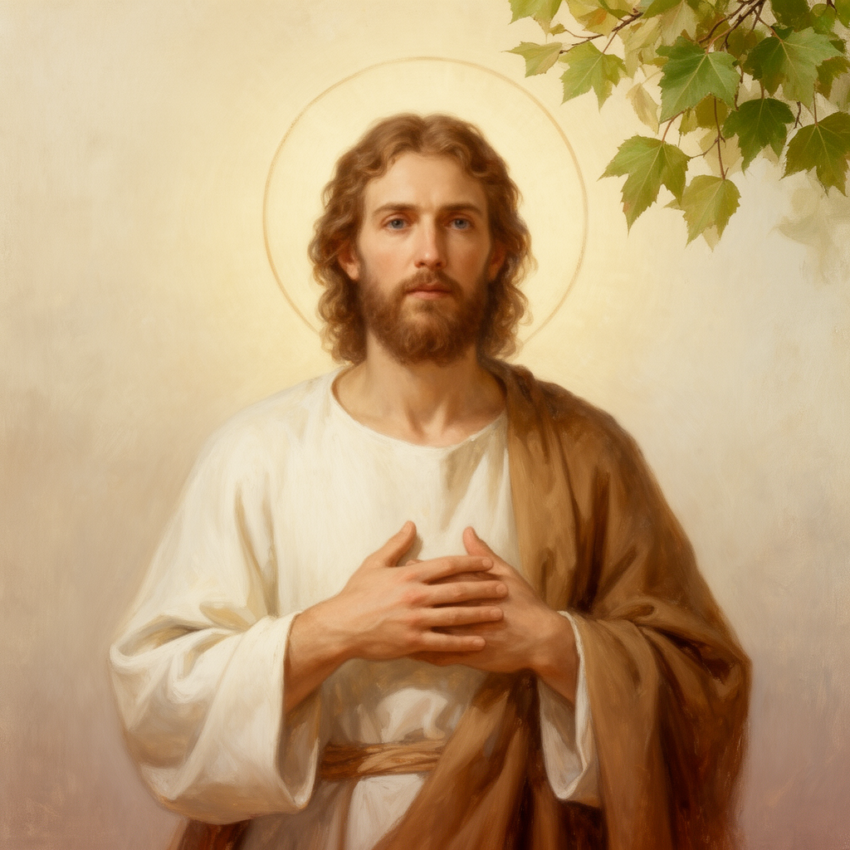
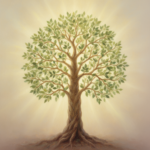
The poplar is a deciduous tree reaching heights of 20–30 meters, characterized by a broad, rounded crown and straight trunk. It features lance-shaped, serrated leaves that are silvery-white on the underside, providing a striking contrast. In spring, it produces clusters of catkins—male and female flowers on separate trees. Its smooth or slightly furrowed bark develops deep fissures with age. The tree prefers moist, well-drained soil and thrives in temperate regions, adapting well to floodplains and riverbanks. The wood is lightweight yet strong, historically used in construction and for making matches. Its rapid growth makes it a prominent feature along watercourses in the Middle East.
Scientific Name
Populus alba (or Populus canescens; debated species)
Hebrew/Greek Name
Hebrew: אֶרְז (erets) – often translated as
Common Names
Native Habitat
Native to Eurasia, especially the Mediterranean basin, Middle East, and Central Asia, the poplar favors riparian zones, floodplains, and wet valleys with temperate and subtropical climates. It thrives in moist, fertile soils and can tolerate periodic flooding. In Israel, it commonly grows along the Jordan River and other water bodies.
First Biblical Mention
First mentioned in biblical context in 1 Kings 6:29, describing the trees used in temple construction.
Describes cedar, cypress, and perhaps poplars used in Solomon’s temple construction
Shows the use of durable woods from prominent trees in sacred architecture
Isaiah 9:10
Reference to the trees of the forest, including poplars, as symbols of resilience
Highlights the resilience and transient nature of human prosperity contrasted with divine sovereignty
Leviticus 14:4-6
Regarding purification rituals involving the use of various plants, possibly including poplar twigs
Indicates symbolic or practical use of certain trees in ceremonial practices
✨ Symbolic Meaning in Scripture
The poplar, as a fast-growing, resilient tree, symbolizes renewal, strength, and transient beauty in biblical thought. Its rapid growth can represent spiritual renewal amid adversity. The slender, upright form suggests a connection to verticality and the divine. Its association with water and riparian zones underscores themes of life, sustenance, and divine provision. In biblical poetry and prophecy, trees like the poplar serve as metaphors for nations or peoples—temporary yet able to flourish under God's care. The contrasting white underside of its leaves also points to themes of purity and repentance, while its utility in sacred rites emphasizes its role in divine-human interaction.
🏺 Cultural Uses in the Ancient World
Ancient Israelites used poplar wood for construction, especially in areas near water sources. Its twigs might have been included in ritual purification or as symbolic branches. The tree also provided edible leaves and was valued for its quick growth in restoring land. In broader Near Eastern cultures, poplar was used in crafts, medicinal applications, and as a source of charcoal for cooking and metalworking, demonstrating its multifunctional importance.
✡️ In Jewish Tradition
While not prominent in liturgy, the poplar appears in rabbinic literature as a symbol of resilience and renewal. Its swift growth was viewed as a metaphor for spiritual progress and the possibility of renewal after repentance. Some traditions associate the poplar with certain purification rites, emphasizing the importance of renewal and divine mercy.
Christian interpretations often see the poplar as representing renewal, resurrection, and spiritual strength. Its role as a resilient tree mirrors Christ's resurrection—renewing life amid hardship. The tree’s symbolism in art and hymnody emphasizes hope, endurance, and divine steadfastness, aligning with themes of spiritual renewal and divine providence.
🔬 Modern Botanical Identification
Scholars generally identify biblical references to poplar with species such as Populus alba or Populus canescens. There is broad consensus on its botanical identity in the Middle Eastern context, though some debate exists over specific species and regional names. Other candidates like aspen (Populus tremula) are less supported in biblical geography.
🗺️ Where Is It Found Today?
Poplars grow abundantly along waterways and riverbanks in Israel, the Jordan Valley, and throughout the Middle East. They are cultivated in parks and natural forests, thriving in riparian zones where water availability is assured.
❓ Frequently Asked Questions
Are poplar trees specifically mentioned in the Bible?
Direct mentions are limited, often inferred in descriptions of trees used in construction or symbolic passages. Terms like ‘poplar’ are associated with tree families fitting biblical descriptions of rapid, durable growth.
What does the poplar symbolize spiritually?
It symbolizes resilience, renewal, and divine provision. Its quick growth reflects spiritual revival, and its association with water underscores themes of life and sustenance in biblical literature.
Can we identify the biblical poplar with a specific modern tree?
Most scholars identify biblical poplar with species like Populus alba or Populus canescens, common in the Middle East. While there is some debate, these identifications align well with biblical descriptions and regional flora.
✨ Did You Know?
Poplar trees are some of the fastest-growing trees in the world, capable of reaching maturity within 10-15 years. Archaeological evidence suggests that ancient peoples valued poplar wood for its quick growth and versatility, using it in building and craftsmanship that survived millennia.