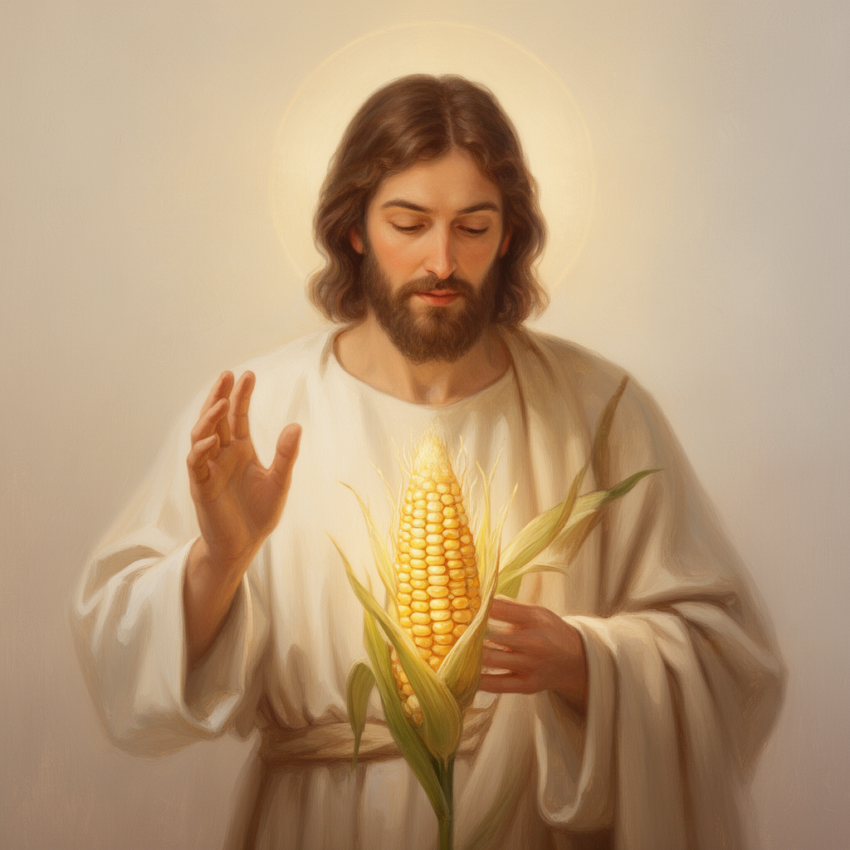
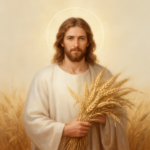
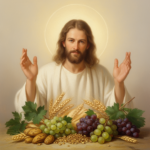
Wheat (Triticum aestivum) is a tall cereal grass reaching 3-4 feet, with broad, flat leaves and a fibrous root system. It bears spikelets that produce golden-yellow flowers and produces a complex, chaffed head (achenes) containing the edible kernel. Barley (Hordeum vulgare) is a slightly shorter grass with jointed stems and rougher leaves, characterized by dense spike inflorescences. Both thrive in temperate climates with well-drained soil and are cultivated for their nutritious grains, crucial in ancient agriculture. These grains grow best in resilient, fertile soils with moderate rainfall. The kernels are hard, protein-rich, and form the basis of bread, porridge, and offerings in biblical times.
Originally domesticated in the Fertile Crescent, wheat and barley grow naturally across the Levant, Middle East, and parts of North Africa. They favor Mediterranean climates with warm, dry summers and mild, wet winters. Cultivated extensively in ancient Israel, modern cultivation continues across Israel, Syria, Turkey, and surrounding regions.
First Biblical Mention
Genesis 4:12 — after Cain's curse, lands not yielding abundantly, emphasizing the significance of grain in survival.
Cain is cursed to be a restless wanderer, and the ground (grain) will no longer yield abundantly.
Highlights the importance of agriculture and the divine relation to the soil and its produce.
Exodus 9:32
Barley was used in offerings, barley harvests are mentioned in festival contexts.
Signifies agricultural cycles and offerings to God.
Matthew 13:3-8
Jesus describes the Parable of the Sower using seeds like wheat or barley cast on different soils.
Symbolizes the spread of spiritual truths and growth conditions.
✨ Symbolic Meaning in Scripture
Grain in Scripture often symbolizes sustenance, divine provision, and blessing. It signifies growth, harvest, and the fruitful life when aligned with divine principles. Bread, made from wheat or barley, becomes a primary symbol of Jesus’s body in Christian theology, representing eternal sustenance and spiritual nourishment. The process of sowing and reaping reflects God's sovereignty and human dependence on divine grace. In biblical narratives, grains also symbolize resurrection and new beginnings—just as seed must die to produce new life, so believers are called to die to their old selves to flourish spiritually. The abundant harvest signifies fulfillment, divine blessing, and God’s providence within redemptive history.
🏺 Cultural Uses in the Ancient World
Ancient Israelites cultivated wheat and barley for food, creating bread, porridge, and cakes. Barley was often used in ritual offerings, including the Feast of Unleavened Bread. Grains also served medicinal purposes and were traded across the Near East. Agriculturally, they were foundational crops, supporting economies and religious practices. Barley was more resilient and quicker to harvest, making it vital during shortages or early harvests. The process of harvesting, threshing, and milling was integral to community life, symbolizing communal effort and divine blessing.
✡️ In Jewish Tradition
In Jewish tradition, wheat and barley are key components of Passover and Shavuot observances, symbolizing liberation and covenant. The barley harvest marks the beginning of the grain cycle, celebrated with offerings and sacrifices in the Temple. Rabbinic literature often references grains as symbols of righteousness and divine reward, emphasizing purity and readiness for spiritual renewal during festivals. Bread made from these grains is central to daily Jewish life and religious rituals, embodying sustenance and divine provision.
Christianity interprets wheat as a symbol of Jesus Christ’s body, emphasizing themes of nourishment, sacrifice, and redemption. The leavened and unleavened breads used in communion represent spiritual purity and Christ’s sacrifice. The harvest metaphors reflect the gathering of souls and divine judgment. Parables involving seeds and fields illustrate spiritual growth and divine grace, making grains a universal symbol of spiritual sustenance and eternal life within Christian theology.
🔬 Modern Botanical Identification
Scholars identify biblical grains primarily as wheat (Triticum aestivum) and barley (Hordeum vulgare). While there is general consensus, some suggest ancient varieties may have differed slightly in size and characteristics. Nonetheless, the cultivated grains today closely resemble those of antiquity, reinforcing their biblical identification.
🗺️ Where Is It Found Today?
Wheat and barley are still widely cultivated in Israel and the Middle East, especially in regions like the Jordan Valley, Galilee, and the coastal plains. These crops thrive in the Mediterranean climate, continuing the ancient agricultural traditions. Modern farms and archaeological sites preserve the legacy of biblical grain cultivation in these areas.
❓ Frequently Asked Questions
What is the main biblical grain: wheat or barley?
Both wheat and barley are significant in biblical texts, with barley often associated with early harvests and wheat with later, more refined bread. They served different purposes but collectively represented divine provision.
Why are grains so important symbolically in the Bible?
Grains symbolize sustenance, divine blessing, growth, and spiritual nourishment. They often represent God’s provision and the fruitful life awaiting obedience and faith.
Can modern wheat and barley be considered identical to biblical varieties?
While modern strains closely resemble ancient grains, some differences may exist. However, archaeological and botanical evidence shows continuity, making them authentic representations of biblical crops.
✨ Did You Know?
Ancient grain storage jars found in biblical sites contained traces of wheat and barley, confirming their pivotal role in daily life and religious practices. Archaeobotanical evidence suggests that ancient Israelites cultivated specific wheat and barley varieties similar to modern strains.