Chaff comprises the outer husks and glumes surrounding cereal grains like barley and wheat. Botanically, these are dry, papery coverings that protect the seed during growth. They vary in size but are typically lightweight and brittle, allowing for easy separation during threshing. The chaff is part of the grasses (Poaceae family), forming a protective shell around the developing grains. When mature, the chaff is separated through threshing and winnowing processes, leaving the edible grain. In appearance, chaff is pale, straw-colored, and flammable. It grows along with cereal crops in fields requiring temperate climates, thriving in well-drained soils with seasonal rainfall, characteristic of ancient Near Eastern agricultural settings.
Native to the Fertile Crescent region, including parts of modern-day Israel, Palestine, Egypt, Iraq, and surrounding areas. These regions have temperate to semi-arid climates with seasonal rainfall, ideal for wheat and barley cultivation. The grasses flourish in irrigated fields and dry plains, making chaff a common residue in ancient and modern cereal farming.
First Biblical Mention
Genesis 41:34-36, where Pharaoh is advised to gather grain during plenty, with chaff separated during threshing.
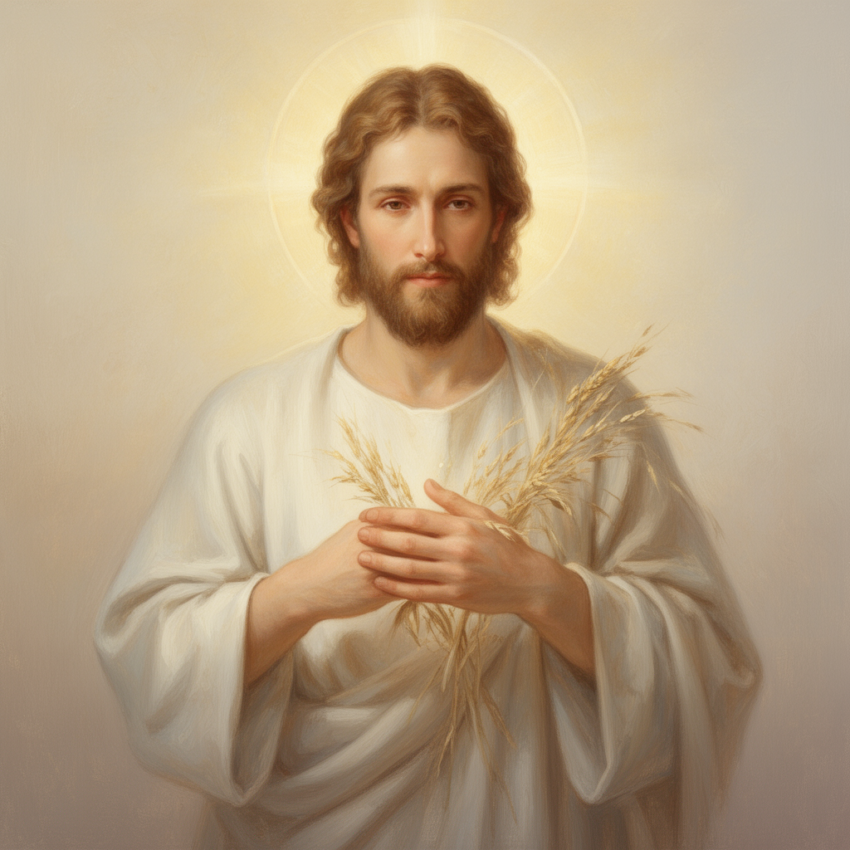
John the Baptist describes the judgment where the wheat is gathered and the chaff is burned.
Symbolizes divine judgment, the separation of the righteous (wheat) from the unrighteous (chaff), emphasizing purification and divine justice.
Psalm 1:4
The psalm compares the wicked to chaff blown away by the wind.
Represents worthlessness and instability of the wicked, contrasting with the stability of the righteous.
Luke 3:17
John describes the coming of one who will gather grain but burn the chaff.
Highlights the themes of judgment and separation of the good versus the worthless in God’s kingdom.
✨ Symbolic Meaning in Scripture
Chaff symbolizes worthlessness, spiritual superficiality, and the temporary nature of worldly possessions. Biblically, it often represents the unrighteous or those disconnected from true faith. Its removal signifies purification, judgment, and the necessity of inner spiritual substance over outer appearances. The imagery of chaff being blown away depicts the divine sorting process, highlighting God's discernment between genuine righteousness and superficial religiosity. As a metaphysical symbol, chaff reminds believers of the importance of cultivating inner virtue and rejecting vanity. In eschatological contexts, it underscores the ultimate divine separation of the righteous from the unrighteous, emphasizing the call for authentic faith and integrity.
🏺 Cultural Uses in the Ancient World
Ancient Israelites used chaff mainly as animal fodder, burned as fuel, or disposed of after threshing. Chaff was also used in agricultural practices for separating grain during winnowing. Its presence indicated harvest time and was part of traditional threshing festivals. Additionally, chaff could be repurposed for primitive construction or weaving materials in some rural communities. Its disposal reflected seasonal cycles and agricultural routines vital to ancient near eastern economies and religious festivals, symbolizing abundance or divine judgment depending on context.
✡️ In Jewish Tradition
In Jewish law and rabbinic literature, chaff symbolizes superficiality and insubstantiality, often used metaphorically to describe hypocrisy or spiritual emptiness. The process of threshing and winnowing is sometimes referenced during Passover and Sukkot, emphasizing divine judgment and spiritual refinement. Chaff's separation from grain echoes themes of purification and divine justice in Jewish thought. It also appears in symbolic teachings about the importance of genuine faith over mere appearances, reinforcing ethical and spiritual integrity in daily life and religious observance.
Christian interpretations frequently view chaff as representing worldly distractions, superficial faith, or the unrighteous. Jesus' parables use chaff to symbolize the wicked or those unworthy of salvation, highlighting the need for inner spiritual substance. The burning of chaff symbolizes divine judgment and the final separation of believers from those who are spiritually hollow. It underscores themes of purification, repentance, and the importance of cultivating genuine faith rooted in righteousness rather than superficiality, aligning with Paul's teachings on spiritual discernment.
🔬 Modern Botanical Identification
While traditionally associated with barley or wheat, there is debate among scholars about the exact species—common candidates include Hordeum vulgare (barley) and Triticum spp. (wheat). The identification is based on biblical agricultural context and archaeological findings, but no definitive botanical consensus exists. Some suggest that 'chaff' could also encompass various grass types used in ancient cereal agriculture. Overall, the primary candidates are well-supported, but the precise botanical species remains debated due to insufficient direct archaeological evidence.
🗺️ Where Is It Found Today?
Chaff remains part of modern cereal harvesting practices in Israel and the Middle East, often as residual material during wheat and barley harvests. Field residues can still be observed in traditional farming communities and historical sites. While less prominent commercially, it can be found in agricultural regions of Israel, Jordan, Lebanon, and surrounding areas where ancient grain cultivation continues at a traditional scale.
❓ Frequently Asked Questions
What is biblical chaff?
Biblical chaff refers to the husks and outer coverings of cereal grains like wheat or barley, often used symbolically for worthless or superficial aspects of life or faith.
How was chaff separated from grain in ancient times?
Ancient farmers used threshing and winnowing, where grain was beaten to loosen the chaff, then tossed into the air to blow away the lightweight chaff, leaving the edible grain.
What does chaff symbolize in biblical teachings?
Chaff symbolizes worthlessness, superficiality, or unrighteousness, emphasizing the need for spiritual substance and divine judgment separating the righteous from the unrighteous.
✨ Did You Know?
Ancient archaeological sites in Israel have revealed chaff preserved in pottery and storage silos, confirming its integral role in early cereal agriculture. Interestingly, some ancient texts mention chaff as a trade commodity, highlighting its practical and symbolic importance in biblical economies and rituals.