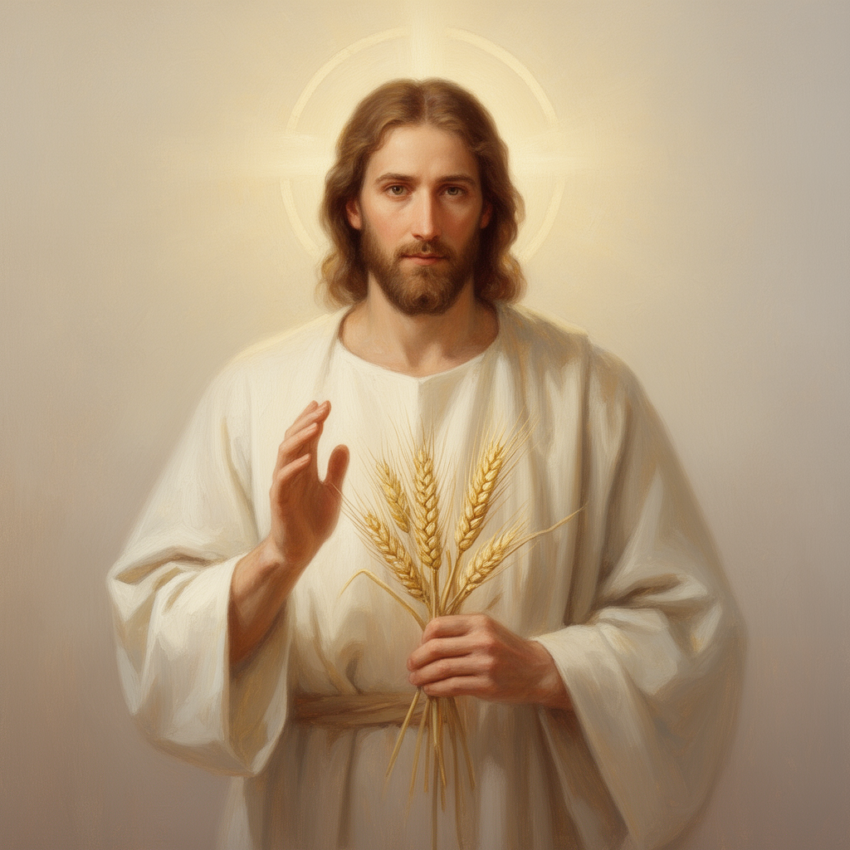
Triticum aestivum is a tall annual grass reaching 80-120 cm, with a robust stem and long narrow leaves. Its flowering head, known as a spike, comprises spikelets with pale golden grains. The plant produces broad, thin leaves with parallel venation, and its flowers are hermaphroditic, pollinated largely by wind. Wheat prefers well-drained loamy soil and temperate climates, thriving in full sun. The mature grain is encased in chaff, harvested in late spring to early summer, and has a high starch content suitable for flour production. Its versatility has made it a staple crop throughout history, essential for feeding civilizations. Its growth cycle from planting to harvest generally spans about 6-8 months.
Scientific Name
Triticum aestivum
Hebrew/Greek Name
שְׁחַר (shahar) / σταθμός (stathmos) – contextually related to wheat and harvest timing
Common Names
Wheat, Common Wheat, Bread Wheat
Native Habitat
Originally cultivated in the Fertile Crescent, wheat naturally grows in the temperate zones of the Middle East, Mediterranean basin, and parts of Eurasia. It prefers well-drained loams, moderate rainfall, and full sun. Today, it is widely cultivated worldwide, especially in North America, Europe, and Asia, adapting to diverse climates.
First Biblical Mention
John 12:24, where Jesus refers to the grain of wheat needing to fall into the ground to bear much fruit.
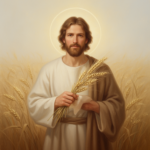
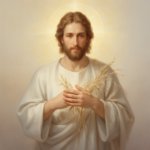
Jesus mentions the grain of wheat falling into the ground and dying.
This metaphor signifies resurrection, sacrifice, and fruitful rebirth, central themes in biblical theology.
Matthew 13:24–30
The Parable of the Weeds compares the kingdom of heaven to a man sowing good seed, akin to wheat.
Highlights themes of growth, judgment, and divine harvest.
✨ Symbolic Meaning in Scripture
The wheat grain symbolizes sacrifice and rebirth in biblical theology. Jesus’ analogy of a kernel falling into the ground and dying reflects His own sacrificial death and subsequent resurrection, leading to spiritual nourishment and the growth of His followers. Wheat embodies humility, patience, and fruitful obedience. The act of sowing and harvesting illustrates God's plan for divine judgment and salvation, emphasizing that true life and abundance arise from death and sacrifice. Throughout Scripture, wheat represents sustenance, spiritual nourishment, and the expansion of God's kingdom, reinforcing themes of renewal and hope amid hardship.
🏺 Cultural Uses in the Ancient World
Ancient Israelites cultivated wheat extensively, using it for bread, a central staple in their diet. It was ground into flour for baking, used in offerings and rituals, and featured in feasts and festivals like Passover. Wheat also had economic importance, serving as a trade commodity. Medicinally, its bran and germ were used for nourishing broth, and its symbolism appeared in decorations and religious rituals. Its importance extended beyond daily life, representing divine provision and blessing.
✡️ In Jewish Tradition
Wheat holds a significant role in Jewish customs, especially in the celebration of Shavuot, marking the wheat harvest and giving of the Torah. Matzah, made from wheat, symbolizes purity and humility during Passover. Rabbinic literature often references wheat as a symbol of divine blessing and sustenance, emphasizing its spiritual significance in prayer and ritual sacrifices. The wheat harvest season also symbolizes divine abundance and gratitude.
Christianity views wheat as a symbol of Christ's body and sacrifice, especially in the Eucharist. The analogy of the grain of wheat underscores themes of death and resurrection, representing Christ’s self-sacrifice leading to spiritual nourishment for believers. Christian liturgy and symbolism often incorporate wheat and bread, emphasizing Jesus as the Bread of Life. The harvesting of wheat also signifies spiritual harvests, divine providence, and the promise of eternal life.
🔬 Modern Botanical Identification
Triticum aestivum, the common bread wheat, is widely accepted as the biblical grain of wheat. Some scholars suggest emmer wheat (Triticum turgidum) could also fit the biblical description, especially in earlier texts. However, consensus favors Triticum aestivum due to its widespread cultivation and historical prevalence. Variants like durum wheat are also culturally significant but less likely to be the 'grain' referenced in the New Testament metaphors.
🗺️ Where Is It Found Today?
Today, Triticum aestivum is cultivated extensively across Israel, the Middle East, North America, and Europe. In Israel, wheat fields are prominent in the northern and central regions, especially during harvest season in late spring. It remains a vital crop for both local consumption and export, symbolizing agricultural continuity and biblical heritage.
❓ Frequently Asked Questions
What does the grain of wheat symbolize in the Bible?
It symbolizes sacrifice, death, and subsequent resurrection, representing spiritual rebirth and the growth of God’s kingdom through Christ’s sacrifice.
Is the biblical grain of wheat the same as modern wheat?
Yes, current scholarly consensus identifies Triticum aestivum, or common bread wheat, as the likely grain referenced in biblical texts, though other ancient varieties may have been used historically.
Why does Jesus compare Himself to a grain of wheat?
Jesus uses this analogy to illustrate that His death will lead to spiritual fruitfulness and new life, emphasizing the themes of sacrifice and divine harvest in salvation history.
✨ Did You Know?
Ancient wheat grains found in archaeological sites from the Levant show evidence of early cultivation dating back over 10,000 years. Remarkably, wheat’s domestication played a critical role in the development of settled civilizations and the spread of agriculture globally.