The Tree of Knowledge of Good and Evil in the Bible: A Botanical Perspective
🔬 Debated (Candidates: Ficus sycomorus, Tamarix, or a symbolic undefined species) · 📜 עֵץ הַדַּעַת טוֹב וָרָע (Etz ha-Da'at Tov Vara), transliteration: 'Tree of Knowledge of Good and Evil'
Bible treesBiblical symbolismAncient Near EastBotanical identification
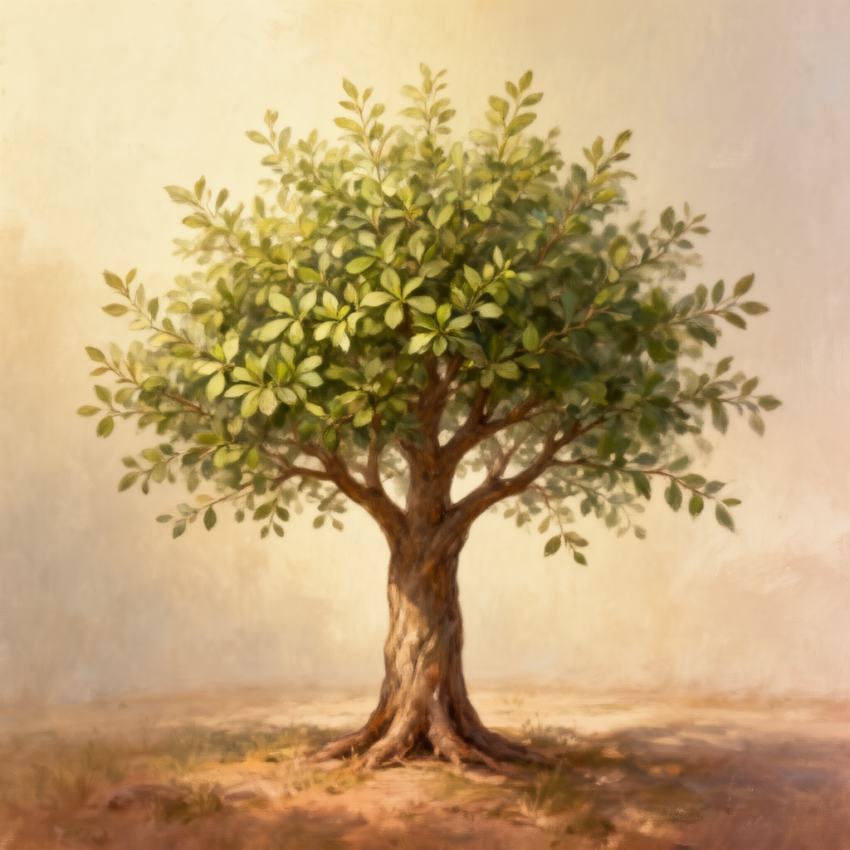
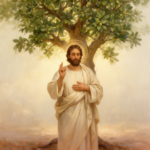
The Tree of Knowledge is described as a distinct, fruitful tree in the Garden of Eden, seemingly rooted among other fruit-bearing plants. Its appearance is unspecified, but it bears edible fruit. The tree's branches are depicted as lush, offering knowledge and life. In biblical imagery, it was significant enough to be singled out, but no specific botanical features are detailed. It likely grew in a warm, Mediterranean climate, thriving in fertile soil within the lush Garden of Eden environment. Its fruit may have resembled a large, enticing berry or nut, symbolic of divine knowledge and temptation.
Scientific Name
Debated (Candidates: Ficus sycomorus, Tamarix, or a symbolic undefined species)
Hebrew/Greek Name
עֵץ הַדַּעַת טוֹב וָרָע (Etz ha-Da'at Tov Vara), transliteration: 'Tree of Knowledge of Good and Evil'
Common Names
Tree of Knowledge, Tree of the Knowledge of Good and Evil
Native Habitat
According to biblical tradition, it was located in the Garden of Eden, a mythical idealized environment believed to correspond broadly with regions in ancient Mesopotamia and the Levant. In real-world terms, if identified with a specific species, its native habitat would be corresponding to the Middle East's temperate zone, possibly areas of modern Israel or surrounding regions with rich, well-watered soil and warm climate.
First Biblical Mention
Genesis 2:9, where the tree is described as being in the Garden of Eden along with the tree of life.
God commands Adam not to eat from the tree in the garden, establishing its significance as a divine boundary.
It symbolizes divine command and moral choice, representing the test of obedience and free will.
Genesis 3
The serpent tempts Eve to eat its fruit, leading to the fall of man.
Embodies temptation, knowledge of good and evil, and the origin of moral awareness and culpability.
✨ Symbolic Meaning in Scripture
The Tree of Knowledge of Good and Evil symbolizes the divine threshold between innocence and moral awareness. It embodies the human capacity for choice and the consequences that come with free will. Throughout Scripture, it represents temptation, moral discernment, and the loss of innocence when divine boundaries are crossed. The fruit signifies forbidden knowledge that grants understanding but also introduces guilt and suffering. Theologically, it underscores themes of obedience, divine sovereignty, and the human condition post-Fall. Its presence in Eden highlights the delicate balance between divine provision and human autonomy, acting as a symbol for the critical moral decisions faced by humanity.
🏺 Cultural Uses in the Ancient World
In ancient Near Eastern cultures, trees like the fig and sycamore had vital roles in food, medicine, and symbolism. While the Tree of Knowledge itself was likely mythical, regional plants such as fig trees were used for their fruits, medicinal properties, and as symbols of prosperity. The imagery of fruit-bearing trees also influenced trade and artistic depictions. Some scholars suggest that certain real trees, like the sycamore fig, served as botanical models for the biblical tree, blending practical use with symbolic meaning in rituals and stories.
✡️ In Jewish Tradition
Jewish texts sometimes interpret the Tree of Knowledge as a symbol of mankind’s moral testing and divine curiosity. Rabbinic literature explores its role in the story of Adam and Eve as a lesson in obedience, temperance, and divine justice. The garden's trees symbolize divine commandments; some mystics view it as a metaphor for the inner human moral conflict. Additionally, the
Christian theology often views the Tree of Knowledge as representing the loss of innocence and the beginning of moral consciousness. It foreshadows themes of temptation and redemption, with Christ seen as the 'true tree of life' restoring the fallen humanity. The fruit's symbolism extends to the concepts of sin, moral awareness, and the need for divine grace. Medieval and Protestant interpreters also see it as a symbol of the human tendency toward disobedience and the importance of divine law.
🔬 Modern Botanical Identification
Scholars generally debate the botanical identity of the tree. Some propose it was a species like the Sycomore fig (Ficus sycomorus) due to its biblical mention alongside fig trees. Others suggest it might be a tamarisk or another Mediterranean species. The lack of detailed botanical clues means consensus remains elusive, and the tree is often considered a symbolic or mythical entity rather than a real species.
🗺️ Where Is It Found Today?
While the exact tree remains unidentified, related species such as Ficus sycomorus and other fig trees grow in Israel and the Middle East today. These trees are found in archaeological sites, ruins, and natural habitats within Israel, Jordan, and neighboring regions, and they continue to be valued for their ecological and cultural significance.
❓ Frequently Asked Questions
Is the Tree of Knowledge a real, identifiable plant?
The biblical description is ambiguous, and scholars have not reached consensus. Many interpret it symbolically, but some propose candidates like the sycomore fig or tamarisk based on regional flora and biblical clues.
What does the fruit of the Tree of Knowledge symbolize?
The fruit symbolizes divine knowledge, moral awareness, and human curiosity. It represents the knowledge of good and evil, leading to moral responsibility and the Fall.
Does the Tree of Knowledge have any modern botanical counterparts?
Yes, species like Ficus sycomorus in the Middle East are considered possible candidates. However, the exact species remains debated, and the tree’s significance is primarily symbolic in biblical and theological contexts.
✨ Did You Know?
Ancient Sycomore fig trees have been found in archaeological layers dating back thousands of years in the Middle East, with some believed to be among the oldest cultivated trees. In biblical iconography, fig trees symbolize prosperity, peace, and divine blessing, linking them indirectly to the symbolic debates surrounding the Tree of Knowledge.