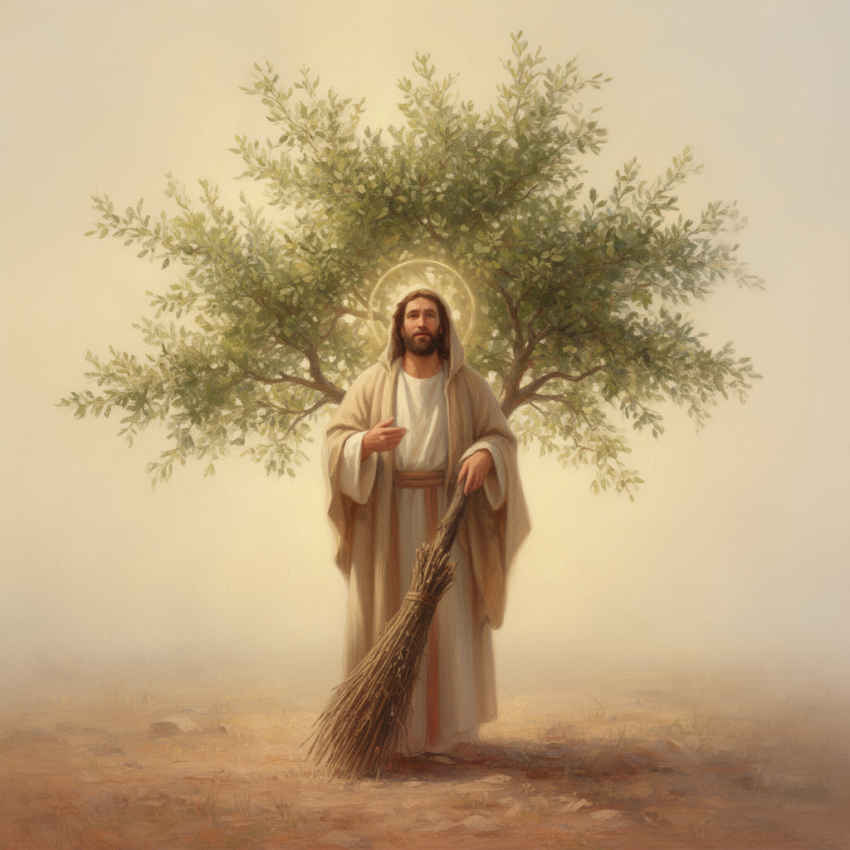
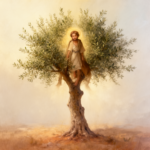
The broom tree is a small to medium shrub, typically reaching 1–3 meters in height. It features fine, spindly branches with thorny, linear leaves that are often deciduous. Its flowers are small, yellow, and pea-like, blooming in clusters during spring. The plant produces seed pods or small legumes as fruit. It thrives in dry, rocky, well-drained soils, often in arid or semi-arid Mediterranean environments. Its hardy nature makes it well-suited to hot, sun-exposed areas, and it often colonizes disturbed soils. The plant's appearance resembles a sparse, thorny shrub with a bushy crown, providing shade and shelter in its native habitat.
Scientific Name
Debated (possible candidates: Genista or Retama sphaerocarpa)
Native to the arid regions of the eastern Mediterranean, including modern-day Israel, Jordan, Lebanon, and Syria. It thrives in rocky, limestone-rich soils and is well-adapted to Mediterranean climates characterized by hot, dry summers and mild, wet winters. It commonly grows along hillsides, rocky slopes, and scrublands.
First Biblical Mention
1 Kings 19:4-5
📖 Biblical References
Reference
Context
Significance
1 Kings 19:4-5
Elijah sat under this tree after fleeing from Jezebel’s threats, despairing of life.
Represents both isolation and a place of divine encounter, symbolizing refuge and divine provision amid despair.
The broom tree symbolizes divine provision, refuge, and resilience in the face of adversity. In biblical narratives, it marks a place of retreat where individuals seek solace and encounter God's presence. Spiritually, it embodies hope amid despair and the sufficiency of divine sustenance during times of trial. The plant's hardy nature reflects spiritual perseverance, and its appearance in Elijah’s story underscores themes of divine care and protection in wilderness journeys. Additionally, the broom tree’s sparse, resilient form illustrates humility and dependence on divine grace rather than worldly strength, serving as a metaphor for spiritual reliance on God's sustaining power.
🏺 Cultural Uses in the Ancient World
Ancient peoples in the Near East used broom plants for constructing lightweight fences, brushes, and brooms, owing to their tough, fibrous branches. The shrubs also served medicinal purposes, with some parts used to soothe skin ailments or as poultices. Due to their drought-hardiness, they were valued for reforestation efforts and as windbreaks, helping to prevent soil erosion. The plants' bright yellow flowers possibly contributed to traditional dyes, while their sturdy branches were utilized in crafting domestic tools or in ritual purification practices.
✡️ In Jewish Tradition
While specific rabbinic references to the broom tree are limited, its representation as a symbol of refuge aligns with Jewish themes of divine protection in wilderness and exile. It is often associated with moments of God's providence and serves as a metaphor in Jewish teachings for faithfulness and resilience amid hardship, especially during traditional prayers for refuge and protection.
Christianity views the broom tree as a symbol of divine providence and spiritual refuge, echoing biblical themes of divine care during life's deserts. It often appears in sermons and theological reflection as an emblem of hope, resilience, and God's sustaining power, especially in wilderness or trials. Its biblical association with Elijah underscores a message of divine meeting and encouragement amid despair, reinforcing trust in divine provision.
🔬 Modern Botanical Identification
Scholars generally debate the exact botanical identity; candidates include the genus Genista (broom) or Retama (rhabdophyllum). Some suggest it could be Retama sphaerocarpa, a shrub native to the Middle East with similar appearance and ecological niche. No scholarly consensus exists, but these candidates best match biblical descriptions and regional flora.
🗺️ Where Is It Found Today?
The broom tree, or similar Retama species, can still be found in Israel, Jordan, and parts of the Middle East, growing naturally in rocky and arid environments. It is common along hillside scrublands, on rocky slopes, and in abandoned fields in these regions.
❓ Frequently Asked Questions
Is the broom tree actually a specific species?
The biblical ‘broom tree’ is debated, with candidates like Genista or Retama. While a definitive identification is lacking, Retama sphaerocarpa is a strong modern candidate based on regional growth and botanical features.
What does the broom tree symbolize spiritually?
Spiritually, it represents divine refuge, resilience, and God’s provision in times of hardship, serving as a metaphor for spiritual renewal amid despair.
Can the broom tree be cultivated today?
Yes, Retama species are cultivated in arid gardens and for ecological restoration in Israel and the Middle East, valued for their resilience and nitrogen-fixing abilities.
✨ Did You Know?
Retama sphaerocarpa, a strong candidate for Elijah’s broom tree, is nitrogen-fixing, enriching soil where it grows. Archaeobotanical evidence shows that ancient peoples used similar plants for both practical and medicinal purposes, highlighting their ongoing cultural importance.