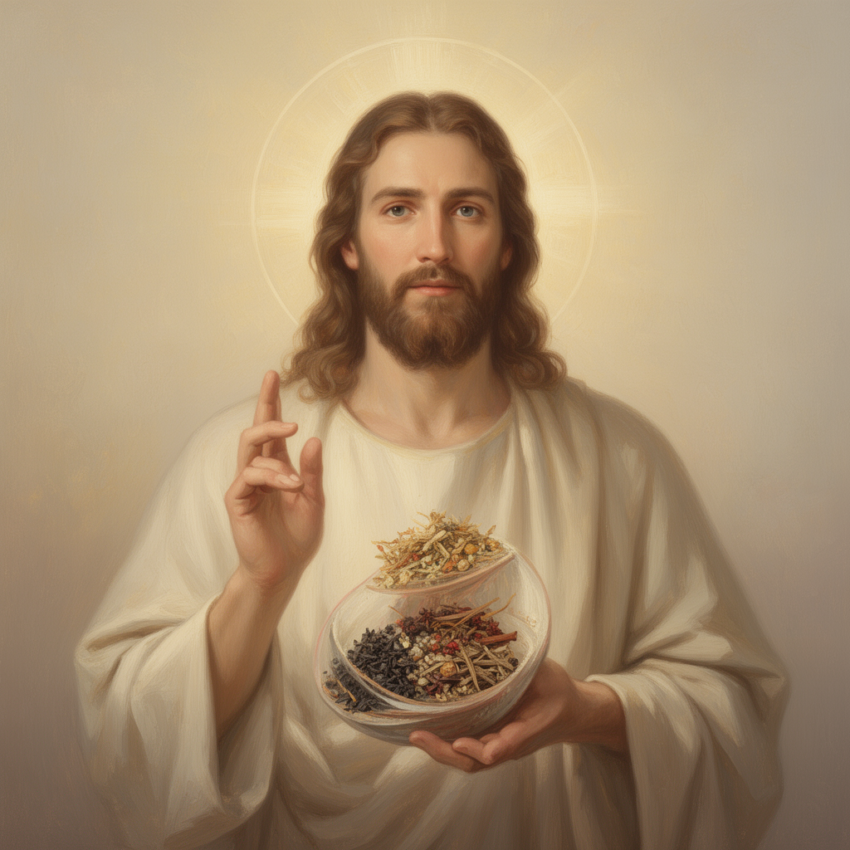
Boswellia and Commiphora species typically are small to medium-sized trees or shrubs, reaching 2-8 meters tall. They have smooth, grayish bark, with aromatic resinous exudates. The leaves are pinnate or simple, green, and leathery. Flowers are small, white or yellowish, clustered in terminal groups. Fruits are capsule-like with numerous small seeds. These plants thrive in hot, arid climates with well-drained, rocky soils, mainly in the Arabian Peninsula, Somalia, and India. Their resin exudes when the bark is cut, and harvesting involves incising the bark and collecting the fragrant exudate after it hardens.
Scientific Name
Debated (possibly Boswellia sacra or Commiphora spp.)
Hebrew/Greek Name
קְטֹרֶת (Ketoret) / that Orón (Greek: λιβάνι, libani)
Common Names
Frankincense, Boswellia, Incense Tree
Native Habitat
Native to the Arabian Peninsula, Northeast Africa (Ethiopia, Somalia), and parts of India, these plants grow in arid, rocky regions with minimal rainfall. They favor well-drained soils and full sun exposure, adapting to harsh desert environments.
First Biblical Mention
Exodus 30:34, the first explicit biblical mention of frankincense as part of the sacred incense.
Instructions for the sacred incense mixture, including frankincense, to be burned in the Tabernacle.
Represents divine fragrance, purity, and the sacred worship of God; it symbolizes prayers rising to heaven.
Song of Solomon 3:6
Describes a fragrant procession or appearance of a chariot; likely referencing fragrant resins or incense used in processions.
Highlights the aromatic qualities associated with divine and royal splendor.
Matthew 2:11
The Magi presenting gold, frankincense, and myrrh to the infant Jesus.
Frankincense symbolizes deity, holiness, and priestly worship in Christian theology.
✨ Symbolic Meaning in Scripture
Throughout Scripture, the Holy Incense, primarily frankincense, represents purity, divine presence, and prayer ascending to God. Its fragrant aroma signifies holy worship and the sanctity of divine service. In biblical theology, incense is intertwined with offerings, prayer, and the divine embrace, symbolizing not only the worshipper's devotion but also God's acceptance. The use of these spices underscores themes of sanctification, divine favor, and the bridging of heaven and earth. Their sacred use in the Tabernacle and Temple rituals exemplifies the harmony between the spiritual and physical realms, emphasizing the aromatic prayer that pleases the Lord and the covenantal relationship with His people.
🏺 Cultural Uses in the Ancient World
In ancient Israel and neighboring cultures, frankincense and myrrh were highly valued for their aromatic properties, used in religious rituals, offerings, and embalming. The resin was harvested by incising trees and collecting the exuded sap, then burned during worship and festivals to invoke divine favor. These spices also served medicinal purposes, treating various ailments, and were traded along ancient caravan routes, enriching the economy. Their usage extended to cosmetics, perfumes, and embalming practices, reflecting their cultural significance in both sacred and secular contexts.
✡️ In Jewish Tradition
Frankincense is central to Jewish ritual in the form of the ketoret, the sacred incense mixture described in Torah. It is used on Yom Kippur and in the daily Temple service, symbolizing sanctity and divine communication. Rabbinic literature emphasizes its purity and precise preparation, viewing it as a divine gift essential for atonement and spiritual elevation. Its forbidden use outside the Temple reflects its sacred status, symbolizing the prayers and praises ascending to God.
Christian interpretations often view frankincense as a symbol of Jesus' divine nature and priestly role. Its gift by the Magi signifies recognition of Christ’s priesthood and kingship. In liturgical traditions, incense is used during worship to represent prayers rising to heaven. The aromatic and sacred qualities evoke spiritual purification, divine presence, and reverence, underscoring the continuity of biblical symbolism in Christian worship practices.
🔬 Modern Botanical Identification
Modern botanical consensus generally identifies frankincense as Boswellia sacra or Boswellia papyrifera, with some scholars considering other Boswellia species. The resin collection process remains similar, but taxonomic distinctions are sometimes debated due to regional variability and hybridization. Ongoing research aims to clarify species boundaries, yet the traditional usage aligns closely with Boswellia species from the Arabian Peninsula and Northeast Africa.
🗺️ Where Is It Found Today?
Boswellia trees grow in regions of Oman, Yemen, Somalia, Ethiopia, and India. They are cultivated in arid or semi-arid zones, often in protected or cultivated groves, and harvesting continues in these areas for religious and commercial purposes. Some religious institutions and commercially cultivated trees support sustained production of frankincense today.
❓ Frequently Asked Questions
What is frankincense, and where does it come from?
Frankincense is a resin obtained from Boswellia trees, primarily from the Arabian Peninsula and Northeast Africa, harvested by incising the bark to collect the fragrant sap.
What significance does frankincense have in the Bible?
In the Bible, frankincense symbolizes divine holiness, priestly worship, and prayer offerings, often associated with sacred rituals and offerings of praise.
Can frankincense still be used today for religious purposes?
Yes, frankincense is still widely used in Christian and other religious ceremonies around the world, valued for its aromatic and spiritual qualities in worship and meditation.
✨ Did You Know?
Archaeological evidence suggests frankincense was traded as early as 3000 BCE, making it one of the oldest traded commodities. Its incense was highly prized, even in the ancient Egyptian, Roman, and Chinese civilizations, illustrating its enduring cultural and spiritual significance throughout history.