Welcome to a comprehensive guide on church candles. This article explores the history, types, sizing, and care of candles used in worship spaces around the world. Whether you are a parish administrator, a cleric, a layperson responsible for altar duties, or a curious reader, you will find practical information on selecting the right candles, understanding burn behavior, and maintaining sacred flame traditions with care and reverence.
In many worship settings, candles are not mere decoration. They are symbolic instruments that carry spiritual meaning, illuminate sacred moments, and create a tangible sense of reverence. The candle in the sanctuary can signify Christ as Light of the World, serve as a reminder of prayers offered by the faithful, and mark important liturgical seasons. The way a church candle performs—its burn rate, wax composition, and wick design—affects not only aesthetics but also safety and liturgical function.
Across traditions, the term church candle can encompass a broad family of candles and related lighting devices. To help you navigate this landscape, this guide distinguishes between the main categories, explains sizing and burn characteristics, and outlines best practices for care and maintenance. The ultimate goal is to support dignified worship while ensuring reliability, safety, and budget-conscious stewardship.
Common Types of Church Candles
Taper Candles
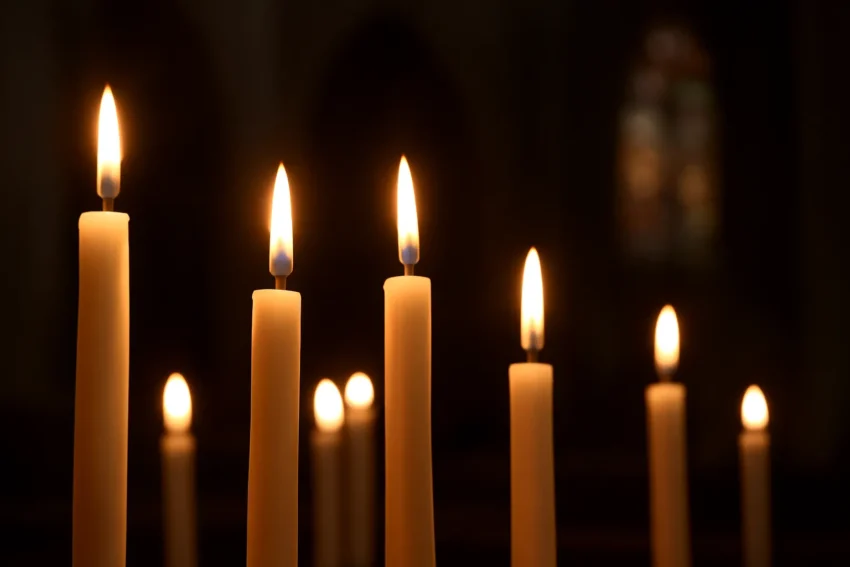
Taper candles are long, slender candles designed to burn slowly in a candlestick or a standing holder on the altar or side tables. They are among the most traditional forms used in processions, liturgical rituals, and offerings. In many church settings, taper candles are central to reverent moments such as readings, processions, and sacraments.
Common sizes: typical heights range from 12 to 18 inches (30 to 45 cm), with diameters from 0.75 to 1.25 inches (19 to 32 mm).
Wick and wax: pin-type or braided wicks are common; wax varieties include paraffin blends and beeswax blends. Some churches opt for unscented candles to preserve liturgical seriousness and avoid distracting aromas.
Burn behavior: tapered candles usually burn with a steady, upright flame, forming a generous pool of melted wax. They require occasional snuffing and relighting in long services.
Pillar Candles
Pillar candles are thick, cylindrical candles designed to stand directly on a base or in a pillar holder. They provide a robust, longer-lasting flame and are favored for altar illumination, memorials, and vigil services.
Sizes: common diameters range from 2 to 6 inches (5 to 15 cm), with heights from 6 to 24 inches (15 to 60 cm). Larger pillar candles can burn for many hours, sometimes days, depending on wick length and wax composition.
Wax types: pillar candles are frequently made with a higher wax melt point, often with beeswax content or paraffin blends to improve rigidity and reduce drips.
Use considerations: they are ideal for daily vigils, memorials, and enduring liturgical symbolism in front of the sanctuary lamp or on the main altar.
Votive Candles
Votive candles are small, typically placed in holders and used in many devotional contexts. In a church, they may accompany prayers for healing, grace, or intercession. They burn relatively quickly and require periodic replacement during longer services or multiple services.
Common forms: clear glass votive holders or metal cup holders designed to prevent wax drips and to catch melted wax safely.
Wax options: paraffin, beeswax, or soy blends are common, with unscented varieties to maintain a contemplative atmosphere.
Burn characteristics: votives often have a faster burn rate and produce a bright, clean flame suitable for devotional lighting.
Tealight Candles
Tealight candles are small, round cups with a short burn duration. Churches use tealights for auxiliary lighting, prayer stations, or to fill niches with gentle, intimate illumination.
Compact size: typically about 1.5 inches (38 mm) in diameter and 0.5 inches (12 mm) tall.
Holder compatibility: designed for use in shallow metal or glass holders, often positioned in clusters around sacred images or icons.
Practical note: tealights are often chosen for budget-friendly candlelight displays and for occasions that require many small flames.
Paschal and Easter Candles
The Paschal candle stands as a central symbol of Resurrection in many Christian denominations. It is a tall, richly decorated candle that is lit during the Easter Vigil and thereafter at the Easter season and on special occasions such as baptisms and weddings.
Symbolism: the Paschal candle bears symbols such as the year, the cross, and the Greek letters Alpha and Omega, signifying eternal life.
Ritual use: it is lit from the Easter fire and carried into the church for processions, then placed near the altar for festive services.
Care considerations: Paschal candles require careful handling due to their height and weight, and they are typically kept in a protected holder to prevent heat damage to surrounding decor.
A sanctuary lamp or eternal light is a small, steady flame publicly maintained to signify the presence of Christ in the tabernacle or sacred space. These lamps are often perpetual, lit for extended periods, and require reliable, long-burning candles.
Typical setup: a small holder or canopy above the tabernacle, with a consistent flame throughout the day and night in many traditions.
Wax and wick: unscented, long-burning varieties with appropriate wick strength to minimize dripping while maintaining a steady flame.
Maintenance: regular inspection for wick integrity and wax buildup, plus replacement schedules aligned with supply and safety protocols.
Across many denominations, the Advent season introduces a sequence of candles that mark the weeks leading to Christmas. The arrangement might be a wreath or a specific stand with four or five candles representing the Sundays of Advent and, in some traditions, the Christmas Eve candle. These candles have symbolic colors and patterns and are chosen to complement the liturgical color of the season.
Advent wreath: typically uses four candles (three of one color and one, often, of another to mark the final Sunday) plus a central Christ candle in some models.
Color significance: purple or blue hues are common for Advent, with pink or rose used for the third Sunday in some traditions to denote Gaudete Sunday.
Seasonal care: seasonal candles are sometimes replaced between liturgical years, while others are used year after year with appropriate consecration and blessing.
Sizing and Burn Times: Understanding Measurements and Lifespan
Choosing the right size candle for a given space and service requires understanding how dimensions influence burn time, flame stability, and maintenance. Proper sizing ensures that candles burn evenly, reduce the risk of drips and wax pooling, and align with the duration of worship activities.
Height and diameter: taller candles can deliver longer burn times but may require stronger holders and more stable setups. A wider diameter provides broader flame coverage but can produce more heat and faster wax consumption in some wax blends.
Estimated burn times: burn times vary widely by wax type, wick size, and environment. For example, a 10-inch taper with a standard wick might burn 1 to 2 hours per inch in typical church conditions, while a pillar candle of 4 inches in diameter might burn for many tens of hours.
Burn efficiency: factors such as drafts, ambient temperature, and the presence of coverings can influence how completely the candle wax melts and how the flame behaves. A stable, overlap-free melt pool is desirable for an even burn.
When planning liturgical services, coordinate candle sizes with the altar arrangement, the expected duration of readings or processions, and the availability of staff to manage replacements. In some churches, a dedicated candle team rotates, ensuring a consistent flame and preventing overburdening a single volunteer.
Materials and Compositions: What Wax and Wicks Make Up the Flame
Church candles come in various materials and constructions. The choice of wax composition and wick design directly affects burn quality, safety, and the sensory character of worship. Here is a concise guide to common materials and why they matter in sacred spaces.
Beeswax: A natural wax with a distinctive warm aroma and a long burn time. Beeswax candles tend to burn cleanly and slowly, producing a bright flame and a subtle honey scent that can enrich contemplative moments when used in appropriate amounts.
Paraffin: A petroleum-derived wax that offers reliable burn characteristics and lower cost. Paraffin blends are common in many church candles because they are readily available, uniform in color, and easy to mold into tall taper or pillar shapes.
Soy blends: An increasingly popular choice for greener and cleaner-burning options. Soy blends can produce a smooth burn with reduced soot, making them attractive for churches seeking sustainability without compromising performance.
Beeswax-para rival blends: Some candles blend beeswax with paraffin to balance burn time, scent, and cost. These blends can offer a favorable compromise when long life and a gentle glow are priorities.
Drip control: Some church candles incorporate wire wicks, fiber wicks, or special treatments to reduce dripping. Look for dripless or low-drip designs if wax management is a concern in high-traffic spaces.
Wicks are a critical component of every candle. In sacred settings, you will often find lead-free wicks to meet modern safety standards and environmental concerns. A well-chosen wick matches the wax melt point and the candle’s diameter, delivering a steady flame without excessive smoking or frequent extinguishing.
Seasonal and Liturgical Considerations
Church candles do not exist in a vacuum. They are deeply connected to the liturgical calendar, the color palette of the season, and the community’s devotional rhythms. Understanding how seasons influence candle use helps ensure that lighting aligns with worship goals and symbolic meaning.
During Advent, candles often accompany the anticipation of Christmas. The lighting sequence may involve a wreath with four candles representing the Sundays of Advent, culminating with the Christ candle at Christmas. The colors chosen for these candles typically reflect the liturgical hue of the season—purple or blue for Advent, white for Christmas—infusing the space with a sense of expectancy and celebration.
Lent and Easter
Lent and Easter bring a shift in atmosphere. Some parishes limit or alter the use of aromatic elements to maintain a sober, penitential mood, while others use candlelight to symbolize the light breaking into darkness at Easter. The Paschal candle often features during the Easter Vigil and remains in place for the Sundays of Easter, asserting the continuity of Resurrection power in worship.
Special Feast Days
Certain feast days call for unique candle setups, such as a triple flame for a high feast or a dedicated sanctuary lamp during a consecration ceremony. Planning for these occasions requires coordination with liturgical ministers and the church’s custodial team.
Care, Handling, and Safety for Sacred Candles
Careful handling of church candles protects worship spaces, preserves candle life, and ensures safety for all participants. The following guidelines cover routine handling, storage, and safety considerations that apply to most church environments.
Wax pool management: Ensure the burn pool reaches the surface evenly to minimize tunneling in pillars and to prevent molten wax from creeping along theholder or table.
Wick trimming: Trim wicks to about ¼ inch (6 mm) before each lighting. A long wick can cause a high flame, smoke, and accelerated wax consumption.
Placement: Place candles on stable, non-flammable surfaces with appropriate holders designed to capture dripping wax and to withstand heat.
Draft control: Avoid placing candles in direct drafts or near open windows where gusts can cause uneven burning or tipping.
Extinguishing: Use a snuffer or gently dip and extinguish candles to prevent wax splatter. Never blow out candles in a sacred space where wax could scatter or shatter.
Storage: Store candles in a cool, dry environment away from direct sunlight and heat sources to prevent warping or softening of wax.
Handling: When moving tall or heavy candles, use proper supports or carriers to avoid accidental drops and injuries. Always confirm the path is clear before walking with lit candles.
Safety is paramount in every worship space. Candles should never be left unattended, and a designated team should monitor lighting, replacement, and drainage of melted wax, especially during long ceremonies or multiple services in a single day.
Care and Maintenance of Altar and Sanctuary Lighting
Keeping the altar and sanctuary lighting in good condition is part of good stewardship. Here are practical practices for ongoing care that help preserve both the sacred space and the flame itself.
Regular inspection: Routinely inspect candle holders for heat stress, cracks, or corrosion. Replace damaged holders promptly to prevent accidents.
Cleaning: Clean holders and surrounding surfaces to remove wax drips and dust. Use a warm, mild detergent for metal holders and ensure they are completely dry before reuse.
Environment control: Maintain a moderate, stable room temperature to extend candle life and reduce warping or sweating of wax.
Allergy considerations: Some worship spaces prefer unscented candles to minimize potential allergic reactions among congregants during services.
Blessing and consecration: In some traditions, candles used for significant ceremonies such as baptisms or confirmations may be blessed or consecrated. Ensure appropriate rites are followed according to denominational norms.
For those responsible for a church’s liturgical logistics, it may be helpful to maintain an inventory checklist that tracks candle type, quantity, burn time expectations, and replacement intervals. This practice supports preparedness for the full spectrum of worship services.
Buying Guide: Choosing the Right Church Candles
Purchasing church candles involves balancing aesthetics, performance, and budget. Here are practical considerations to help you choose with confidence.
Purpose alignment: Identify the main uses (processions, daily vigils, commemorations, Paschal celebrations) and select sizes and shapes accordingly.
Wax choice: Beeswax offers premium burn quality and natural aroma; paraffin blends tend to be cost-effective and durable; soy blends can be a sustainability-minded option.
Wick type: Confirm that wicks are appropriate for the candle diameter and wax. For tall taper candles, a robust wick helps prevent smoking and uneven burning.
Holdings and compatibility: Ensure your holders, sconces, and candlesticks are sized to fit the candles securely and safely. Consider drip protection and a stable base.
Color and symbolism: Align the candle colors with liturgical seasons and feasts to preserve the symbolic language of worship.
Quality indicators: Look for clean edges, uniform color, consistent burn characteristics, and properly sealed wicks. Avoid candles with visible air pockets or deformities that might cause fragile burning.
Safety certifications: When possible, choose candles that comply with local safety standards and fire codes. This includes lead-free wicks and non-toxic wax formulations.
Budgeting: Estimate consumption based on service frequency and candle burn times. Plan for seasonal spikes (e.g., Holy Week, Christmas) and rebuilds after large events.
If you are purchasing for a large church facility, consider establishing a relationship with a reliable supplier who understands liturgical requirements, can provide documentation for seasonal orders, and offers bulk discounts without compromising on safety.
DIY and Sustainability in Church Candle Use
Many parishes seek sustainable lighting practices and opportunities to engage the congregation in candle ministry. Below are practical ideas to incorporate DIY candle projects and green-minded choices without sacrificing liturgical integrity.
Beeswax refits: Some churches rotate between beeswax and paraffin plugs to balance fragrance, burn time, and cost. A seasonally appropriate strategy can reduce waste and support local beekeeping initiatives.
Recycling and reuse: Thoroughly burn down pillar candles and repurpose remnants for smaller devotional uses or craft projects where appropriate within church boundaries.
LED alternatives for safety and budget: In spaces with high traffic, or in outdoor settings, high-quality LED candles can provide a safe, fragrance-free, and long-lasting option while preserving the visual texture of candlelight. Consider hybrid approaches for mixed-use spaces.
Community education: Educate the congregation about candle care, safety, and the symbolism of light. This fosters responsible stewardship and deeper engagement with worship practices.
Note that many churches maintain a strong preference for traditional, scented-free wax candles in sanctuaries to preserve the solemn atmosphere, while others may embrace scented candles in devotional areas or on festival days, with careful consideration of smoke and aroma impact on the space and participants.
Common Troubleshooting: What to Do When Candles Don’t Burn Right
Even well-chosen candles can exhibit burn challenges. Here are common issues and practical fixes to maintain dignified lighting in worship spaces.
Tunneling in pillar candles: If a pillar candle burns straight down a narrow channel rather than melting evenly, trim the wick and allow a longer initial burn to form a full melt pool. Reposition or replace if the problem recurs.
Excessive smoking or soot: This often indicates a wick that is too large for the wax or a draft. Trim the wick, reduce the flame height, or re-seat the candle to a sheltered holder.
Dripping and wax mess: Ensure the candle is in a proper, heat-resistant holder. Consider a drip tray or a wider base for pillar candles to capture excess wax.
Uneven burning: Drafts or an unstable surface can cause uneven melting. Move candles away from windows and vents, ensure a level surface, and use a stable holder with a flat bottom.
Flickering flame: This can be a sign of drafts or an oversized wick. Address by stabilizing the environment or replacing with a candle of appropriate diameter and wick size.
For sanctuary lamps and high-stakes rituals, it is wise to have a small maintenance kit on hand with wick trimmers, a snuffer, spare wicks, and a few extra candles. A well-prepared liturgical team can keep the flame consistent even during long ceremonies.
Glossary of Terms: Quick Reference for Candle Care
To help readers navigate terminology, here is a concise glossary of essential terms often used in church candle discussions.
Wax: The plastic or semi-solid material that sustains the flame. Common varieties include paraffin, beeswax, and soy blends.
Wick: The braided or twisted thread that draws wax to the flame. Terminology includes lead-free, cotton, and fiber wicks.
Dripless or low-drip design
Burn pool: The melted wax around the wick during burning. A properly formed pool helps prevent tunneling and promotes even burning.
Votive holder: A small glass or metal cup designed to hold votive candles and catch melted wax.
Paschal candle: A large, ceremonial candle used at Easter and in baptisms, often richly decorated with symbols.
Sanctuary lamp: A small flame that signifies Christ’s presence, typically maintained for long periods.
Liturgical colors: The color palette associated with seasons (purple for Advent/Lent, white for Easter and Christmas, red for martyrs or Pentecost, green for ordinary time).
Church candles are more than sources of light. They are living symbols of faith that illuminate theological truths, commemorate prayers, and mark the rhythms of sacred time. By understanding the types, sizing, and care of these candles, worship communities can ensure that their lighting remains dignified, safe, and meaningful.
Whether you are selecting a tall taper for a solemn procession, a sturdy pillar candle for an all-day vigil, a Paschal candle for Easter celebrations, or a small votive for personal intercession, the right candle enhances the worship space, supports the liturgy, and invites the faithful to encounter the mystery of light in their spiritual lives.