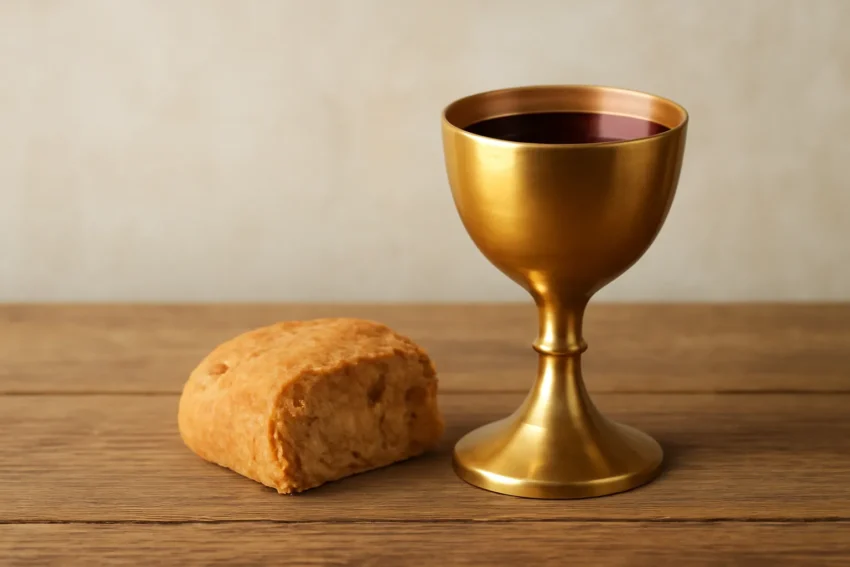
The communion chalice, sometimes called an altar cup, communion cup, or eucharistic chalice, is a central liturgical vessel in many Christian traditions. It holds the wine that represents the blood of Christ in the Eucharist or Holy Communion. Because this vessel is used in sacred rites and often passed from hand to hand during services, its material, design, and craftsmanship carry symbolic significance as well as practical considerations. Choosing the right chalice is a process that blends theology, liturgical norms, aesthetics, and stewardship. This article explores how to select a suitable vessel, with attention to denominational expectations, material science, care practices, and long-term usage.
Understanding the Role of the Chalice in Worship
In many churches, the communion chalice is more than a utilitarian cup. It is a sacramental symbol that embodies reverence, unity, and the memory of Christ’s sacrifice. The vessel’s visible beauty can reflect the dignity of the rite and elevate the worship experience for participants. At the same time, the chalice must function reliably in a liturgical setting: it should be easy to hold, easy to pass, easy to clean, and durable enough to endure frequent use.
Definitions and related terms
When discussing Eucharistic vessels, several terms surface with nuanced distinctions:
Communion chalice — the primary vessel used to contain the wine during the service.
Communion cup — a more general term sometimes used for smaller, portable cups, especially when referring to individual use or a set of cups in a procession.
Altar cup — another name that emphasizes the vessel’s position on the altar and its liturgical function.
Eucharistic chalice — a formal term emphasizing the sacramental aspect of the rite.
Paten — the shallow plate that accompanies the chalice to hold the bread, used in many historic and modern liturgies.
Holding cup or pocket cup — terms sometimes used for secondary vessels or miniature cups used in certain traditions or for distribution within a congregation.
Materials and Finishes: What to Consider
The material of a communion chalice influences its durability, weight, maintenance, and symbolism. Materials range from precious metals to refined alloys, each with its own advantages and responsibilities.
Precious metals and their implications
The most traditional and enduring choices are gold and silver. Within these classes:
Solid gold chalices offer exceptional beauty and longevity but come at a high cost. They are resistant to corrosion and can maintain their luster with careful care, though gold’s softness means that some thinning or denting is possible with heavy use.
Sterling silver chalices are a common and practical luxury choice. Silver is durable, mutually compatible with many liturgical fabrics and linens, and can be polished to a brilliant shine. Over time, silver may develop a patina that some churches consider desirable, while others prefer a bright finish through periodic polishing.
Gold-plated or electroplated options provide the look of gold without the price tag, but plating can wear off with frequent use or aggressive cleaning. These are typically lighter and more affordable than solid gold.
Other metals and safe options
Beyond gold and silver, chalices may be crafted from durable metals like sterling silver alloys with increased durability, brass, bronze, or high-quality pewter. When choosing non-precious metals:
Look for lead-free alloys to avoid potential contamination. Many churches have policies that require materials to be both lead-free and nickel-free to accommodate sensitive congregants.
Ensure a high-quality finish that resists corrosion and tarnish, especially if the vessel is frequently used or stored in varied environments.
Consider plating or coating that protects the base metal and keeps aesthetics stable over time.
Glass, crystal, and non-metal options
A smaller subset of traditions employs chalices or cups made of crystal or glass, often for visual clarity or ceremonial significance. However, these materials can be more fragile and may require special handling. It’s essential to weigh aesthetics and symbolism against practicality and durability in a parish setting.
The capacity and form of the communion chalice are not merely matters of taste; they influence how the vessel functions during a service and how it is perceived by the congregation.
Typical capacity ranges
Common sizes for ecclesiastical chalices vary, but many standard vessels hold roughly 150–250 milliliters (about 5–9 ounces). For large congregations, churches may use larger goblet-style chalices or employ a set of several chalices to distribute the wine efficiently.
Ergonomics and handling
Consider the size and weight of the altar cup when full, as well as its balance. A well-designed chalice should be easy to lift with one hand, comfortable to grasp, and stable when placed on the altar or a sacramental table. For processional use, some sizes include a short stem or a wide base to facilitate secure handling and passage during the liturgy.
Denominational Practices: How Communion Vessels Vary by Tradition
Different Christian traditions have varying norms regarding the communion chalice and its use. The vessel’s design may reflect theological emphases, liturgical cadence, and ecclesial policy. Understanding these differences helps in selecting a vessel that aligns with congregational expectations.
Catholic and Orthodox perspectives
In many Catholic and Orthodox communities, the chalice is treated with particular solemnity as a sacred vessel. These traditions often emphasize:
The use of precious metals and meticulous craftsmanship as a sign of reverence.
The presence of accompanying vessels, such as the paten, laver, and other liturgical implements that frame the Eucharist.
Careful observance of purity and safety in handling, with attention to chalice washing and sanctity during and after each service.
Anglican, Lutheran, and Protestant variations
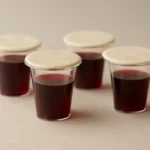
In Anglican, Lutheran, and many Protestant churches, chalices can range from traditional and ornate to minimalist and contemporary. Some congregations adopt shared cups for the entire assembly, while others use a set of individual cups or a combination of both. In some contexts, the chalice and the paten are purchased as a matched set to reflect unity in liturgical practice.
Nonliturgical and reformed traditions
In traditions where there is less emphasis on sacramental ritual, the vessel may be chosen primarily for function and durability, with attention to ethical sourcing, durability, and ease of cleaning. The emphasis might be less on ornate symbolism and more on responsible stewardship and accessibility.
Style, Craft, and Aesthetic Considerations
A communion chalice can be a work of art as well as a liturgical tool. The stylistic choices reflect liturgical season, church architecture, and community identity.
Classic, traditional, and antique styles
For churches aiming to evoke a sense of continuity with historical worship, a classic chalice might feature slender lines, a narrow stem, and a flared cup, often with intricate engravings or embossments. Antique or vintage-looking pieces can impart a sense of heritage and solemnity.
Contemporary and minimalist models
Modern ecclesial designs may favor clean lines, geometric shapes, and understated finishes. In these cases, the vessel might be more about proportion and balance than ornate decoration, while still meeting the standards of liturgical use and materials safety.
Symbolic and decorative elements
Some chalices incorporate symbolic motifs such as crosses, doves, or the chi-rho, carved or etched into the metal, or applied as enamels. Such elements can communicate theological themes to worshippers while enhancing the visual focal point of the service.
How to Choose: A Step-by-Step Guide
Selecting the right altar vessel requires a practical approach aligned with liturgical goals, pastoral needs, and financial stewardship. Use the following steps as a framework for decision-making.
Step 1: Determine the denominational and liturgical requirements
Start by clarifying the normative requirements of your tradition. Some denominations have explicit guidelines about acceptable materials, purity standards, and the form of the chalice. Others leave room for interpretation within a framework of reverence and safety.
Step 2: Assess the congregation size and service format
Consider how often the chalice will be used and how many communicants are typically served in a given service. If your church has a large congregation, you may prefer a larger capacity or a set of multiple chalices to minimize refilling time. If you practice or anticipate a common cup tradition, you’ll want to plan for secure handling and hygienic distribution as appropriate to your community.
Step 3: Set a budget and balance beauty with practicality
Your budget will influence the choice between solid precious metal options versus plated or non-precious alternatives. Remember to factor in maintenance, storage, and replacement costs over time.
Step 4: Evaluate durability, care, and maintenance needs
A chalice should endure daily or weekly use. Silverware requires regular polishing and occasional professional cleaning. Gold, brass, and bronze may need specific cleaning agents to avoid scratches or tarnish. Non-metal alternatives require different care protocols. Create a maintenance plan that includes routine inspection for wear, handles, and seals, if any.
Step 5: Verify safety, ethics, and provenance
Confirm that the chosen vessel is lead-free, nickel-free, and compliant with your local safety standards. If ethical sourcing matters to your congregation, seek suppliers who provide sustainability certifications or traceability for materials and labor.
Step 6: Examine compatibility with other sacramental vessels
Many churches purchase chalices as part of a matched set that includes a paten, a laver, and sometimes a pottier or other sacramental objects. Ensure that the new vessel harmonizes with existing pieces in style, weight, and proportion so that the liturgy looks cohesive.
Step 7: Involve key stakeholders
Consult clergy, church stewards, and the choir or worship team if appropriate. Involving the congregation in a discretionary purchase can foster a sense of ownership and stewardship and help ensure the vessel meets broad expectations.
Care, Cleaning, and Longevity of the Chalice
Proper care preserves the beauty and function of the communion chalice for generations. Below are best-practice guidelines that apply to most common materials, with notes for special cases.
General care principles
Establish a routine that minimizes tarnish, corrosion, and wear:
Rinse with clean, lukewarm water after each use to remove residue.
Use a mild, non-abrasive detergent for cleaning. Avoid harsh chemicals that can damage finishes or plating.
Dry promptly with a soft, lint-free cloth to prevent water spots and tarnish.
Polish silver with a calcium- or ammonia-free silver polish, following the product’s directions. For gold or other finishes, use appropriate polishing products recommended by the manufacturer.
Store in a dry, padded case or cabinet to prevent scratches and moisture exposure.
Material-specific care notes
Solid gold chalices are durable but may require careful handling to prevent dents. Sterling silver benefits from frequent, light polishing and occasional professional cleaning to maintain luster. Brass and bronze can develop patina that some communities prefer to maintain a certain aged look, while others prefer a bright finish. If your tradition requires lead-free or nickel-free alloys, consult your supplier for compatible cleaning methods to avoid compromising alloy integrity.
Handling during worship
During worship, handle the chalice with care. Always support the base when passing; keep the cup oriented so the opening faces upward or toward the distributor as determined by local practice. If the chalice includes a detachable cup or stem, ensure fittings are secure before service.
Security and safeguarding
For larger congregations or shared facilities, consider storage solutions that minimize risk of loss or misplacement. Lockable cases or dedicated sacristy storage can help protect sacred vessels between services.
Purchasing Considerations: Authorship, Warranties, and Documentation
When acquiring a communion chalice, gather information that supports informed purchase decisions and long-term value.
Documentation and provenance
Request documentation that confirms the material and construction method. If the piece is antique or historically significant, provenance documents, maker’s marks, and service history can add to its value and significance.
Warranties and service plans
Some manufacturers offer warranties against manufacturing defects, as well as maintenance plans for polishing and repairs. Review terms to understand coverage, duration, and any exclusions.
Ethical sourcing certifications
If sustainability matters to your church, look for third-party certifications (e.g., responsible mining certifications, fair-trade rims) and supplier transparency regarding the origin of metals and the labor used to produce the chalice and its companion pieces.
Ethics, Sustainability, and Cultural Sensitivity
The procurement of liturgical vessels is an opportunity to model ethical stewardship. Churches may consider:
Choosing lead-free and nickel-free materials to minimize risk of allergic reactions among congregants.
Favoring suppliers with sustainable mining practices or recycled metals when appropriate.
Selecting designs that respect cultural sensitivity and avoid symbols that may cause discomfort among diverse congregants.
Balancing beauty and purpose to ensure the vessel remains usable and meaningful across generations.
The lifecycle of a communion chalice includes proper storage and careful handling to preserve its integrity and ceremonial value.
Storage best practices
Store chalices in a clean, dry environment away from moisture, heat sources, and corrosive agents. Use padded cases or lined cabinets to prevent scratches. If you share space with other sacramental vessels, ensure that each piece is clearly labeled and protected from impact.
Transport considerations
When transporting the chalice to events or guest churches, use a secure, padded container. Check fittings and caps if the vessel is designed with an interchangeable lid or cup assembly. Always transport with the base supported to prevent tipping or damage.
Use in services
In regular worship, ensure the chalice is placed elegantly on the altar and accessed by authorized ministers. If a common cup is shared during the service, follow your tradition’s hygienic and procedural norms, including distribution methods, cleansing rituals, and post-communion cleansing as prescribed by liturgical guidelines.
The following questions address practical concerns you may have when evaluating and purchasing a chalice or its related pieces.
What is the best material for a chalice? There is no single answer; it depends on budget, maintenance resources, and symbolic preferences. Solid silver or gold-plated options are traditional and durable, while plated or non-precious alloys offer value and resilience.
How do I verify authenticity? Check maker’s marks, hallmarks, or certificate of authenticity. If buying from a reputable religious goods supplier, request documentation that outlines materials and construction.
Can a chalice be customized? Yes, many chalices can be engraved with church insignia, liturgical year symbols, or donor names. Customization should be coordinated with the supplier to ensure durability and compliance with liturgical norms.
Is maintenance difficult? Maintenance varies by material; silver requires regular polishing, while plated finishes may require care to protect plating from wear. Non-metal options have their own care requirements.
How do we involve the congregation in a purchase? Consider a fundraising campaign or donor recognition program that respectfully acknowledges contributions while aligning with church governance guidelines.
How many chalices should a church own? A practical approach is to have enough vessels for a typical service and an extra for rotation, with additional backups for high-demand occasions or inventory audits.
A Final Thought: Symbol, Service, and Stewardship
The selection of a communion chalice is more than acquiring a beautiful object. It is an act of stewardship, a commitment to ongoing worship, and a sign of unity within the body of believers. The vessel you choose will accompany your community through countless rites, prayers, and celebrations. By balancing reverence, practicality, and ethical considerations, you can select a chalice that not only serves the liturgy faithfully but also embodies the values and witness of your church.
Checklist: Quick Reference for Choosing the Right Vessel
Denominational alignment — ensure the vessel meets your tradition’s liturgical norms.
Material choice — silver, gold, or durable alloys; consider safety concerns like lead and nickel.
Capacity — match the congregational size and distribution method (common cup vs. individual cups).
Durability and maintenance — plan for regular cleaning, polishing, and storage.
Symbolism and aesthetics — select a design appropriate to your worship space and season.
Ethical sourcing — consider certifications, sustainability, and donor transparency.
Provenance and warranty — request maker’s marks, certificates, and warranty terms.
Compatibility — ensure it matches other sacramental vessels in size and style.
Whether you refer to this sacred vessel as a communion chalice, a altar cup, or a eucharistic cup, the aim remains the same: to honor the sacred rite and to serve the community with a vessel that embodies beauty, durability, and reverence. As you undertake the search for the right piece, let thoughtful deliberation guide your steps, and let the vessel you choose become a lasting testament to the faith and fidelity of your church.