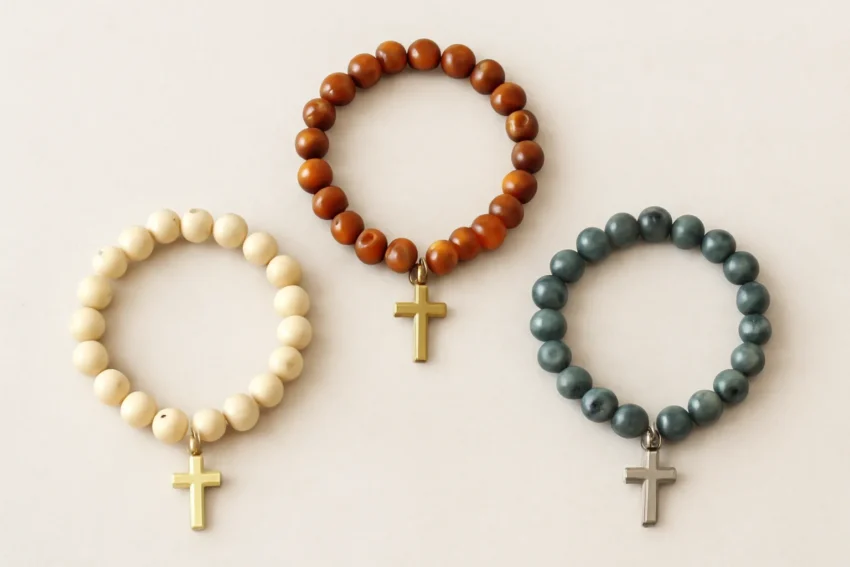
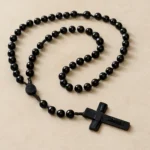
Beaded rosary bracelets are a unique fusion of prayer and personal adornment. They bring together the reverent structure of a traditional Catholic rosary with the convenience and fashion of a bracelet that can be worn daily. While many people wear these pieces as a reminder to pause, pray, and reflect, others appreciate them primarily for their aesthetic value or as a family heirloom and devotional keepsake. In this article, we explore the diverse styles of beaded rosary bracelets, examine the meanings attached to beads, colors, and medals, and offer practical guidance on how to wear them thoughtfully and tastefully in different contexts.
What makes a beaded rosary bracelet different from other jewelry?
At its core, a beaded rosary bracelet is designed to be a compact, wearable adaptation of the traditional rosary. A classic rosary is a set of prayers linked to a fixed sequence of beads: our Father beads interspersed with Hail Mary beads, organized into five decades, and culminated with prayers to Mary and Jesus. A rosary bracelet typically preserves that structure in a smaller, wrist-friendly format, sometimes with a center medal or crucifix to anchor the prayer sequence. Some designs use a continuous loop rather than a fixed strand, enabling the bracelet to be worn and donned like ordinary jewelry.
But beyond the simple reproduction of the rosary’s sequence, beaded rosary bracelets come in a wide range of styles, materials, and design philosophies—from strictly devotional pieces intended for prayer to fashion-forward interpretations that blend prayer with personal symbolism. In many contexts, these bracelets are gifted to commemorate milestones (baptisms, first communions, confirmations), worn in times of spiritual study or discernment, or used as a tactile reminder during meditation or contemplation.
Styles of beaded rosary bracelets
Standard five-decade rosary bracelet
The standard five-decade rosary bracelet is the closest wrist-sized analog to the full rosary. It generally features:
Five sets of ten beads (the decades), typically separated by small spacer beads.
One or more Our Father beads between decades, or sometimes a larger bead to mark the transition.
A central element such as a medal or small crucifix that connects to a loop or clasp.
Materials that range from glass and crystal to gemstones and wood.
This style is popular for its recognizability and its faithful echo of the traditional rosary’s structure. The center medal often bears Marian or Christological imagery, while the Our Father beads are frequently slightly larger or differently colored to visually structure the rhythm of prayer.
One-decade and half-decade beaded bracelets
A one-decade rosary bracelet contains a single set of ten beads and a beginning/ending marker. Some designs also include a small spacer bead and a crucifix or medal at one end. The half-decade variant may include five or six beads in a shorter sequence, often used for younger children or for men and women who prefer a minimalistic devotional piece.
These options are especially practical as starter rosaries, for travelers, or as intimate gifts where a shorter sequence is easier to memorize. They are also excellent options for layering with other bracelets, giving wearers the opportunity to carry multiple spiritual symbols at once.
Rosary wrap bracelets
A popular wrap rosary bracelet is designed to coil several times around the wrist, creating what appears to be multiple strands of beads stacked together. The wrap format may increase the visual impact of the beads and allows for a longer prayer rhythm because the wearer can trace the beads along the wrap. You’ll often see:
Two, three, or four complete wraps around the wrist, depending on bead size and wrist circumference.
A durable adjustable clasp or loop closure that secures the bracelet while permitting the wrap to sit comfortably.
Bead arrangements that emphasize symmetry, with spacer beads marking the decades or cycles in the wrap.
Wrap bracelets are especially appealing to jewelry lovers who appreciate a robust, tactile feel. Their extended strand length can also accommodate larger beads or more ornate center medals.
Multi-strand and layered rosary bracelets
Some designers create multi-strand rosary bracelets that combine two or more beaded loops. In these pieces, one strand may reproduce the classical five-decade structure while another strand may feature a different prayer sequence, a different bead color palette, or symbolic charms. Layered bracelets offer a visually rich way to express multiple devotions or to coordinate with outfits for a reasoned, thoughtful look.
Material-driven styles
Beaded rosary bracelets come in an impressive range of materials, each imparting a distinct feel and symbolic meaning. Common material families include:
Glass and crystal beads for clarity, light, and accessibility; often facet-cut for sparkle.
Gemstone beads (such as amethyst, lapis, carnelian, jade, or citrine) to evoke healing properties or color-coded meanings.
Wood beads (like sandalwood, rosewood, or bamboo) for earthy, meditative aesthetics and comfortable wear.
Seed beads (Delica or seed bead sets) offering micro-detailed textures and retro charm.
Metal components (silver-tone, gold-tone, or mixed metals) used for spacers, findings, and the central medal.
The choice of material often informs the wearer’s intention: a bead color palette may reflect a personal devotion, a saint’s feast day, or a season of life. For example, deep blue tones might be selected in honor of the Virgin Mary, while red beads could symbolize martyrdom and the Passion.
Incorporating medals, crosses, and symbols
The center medal and crucifix are not mere decorations; they are focal points that anchor prayer and devotion. Some common symbolic elements include:
Our Lady of Guadalupe or other Marian titles on the center medal.
St. Benedict medals for protection and temperance.
Crucifix medallion emphasizing the Passion and sacrifice of Jesus.
Small charms or iconography representing saints, angels, or specific prayers.
When choosing a rosary bracelet with medals or symbols, consider the wearer’s tradition and the context in which the piece will be worn. Some people prefer a discreet, small medal, while others opt for a more conspicuous emblem that communicates a particular devotion.
Meanings, symbolism, and the spiritual language of beads
Beads carry more than decorative appeal; they serve as tactile cues for prayer, reflection, and intention. Understanding meanings associated with colors, bead sizes, and the overall arrangement can deepen the wearer’s experience and help communicate intent when giving a rosary bracelet as a gift.
Colors and their symbolic associations
Bead colors are often chosen for their symbolic resonance. While interpretations can vary between cultures and communities, several widely recognized associations include:
Blue and turquoise tones associated with the Virgin Mary, truth, and serenity.
White representing purity, innocence, and spiritual clarity.
Red linked to love, sacrifice, and the blood of Christ or martyrs.
Purple connected to penance, preparation, and spiritual depth.
Green linked to life, growth, and renewal; often seen as a color of hope.
Gold or amber suggesting divine light, glory, and the radiance of prayer.
Black sometimes chosen for introspection, solemnity, or the memory of sorrow and penance.
In practice, color choices can reflect a person’s patron saint, a liturgical season (Lent and Advent colors, for example), or a personal intention such as healing or gratitude. Colors also function as practical signaling on a visual level, helping the wearer track the rhythm of the rosary during prayer.
Beads as a prayer-aid
The structure of a rosary bracelet invites a spoken or silent prayer cycle. Each set of ten beads, or each transition from one decade to the next, often marks a sequence such as:
Beginning with a short invocation or the name of a saint.
Reciting five Our Father prayers across the entire bracelet, interleaved with Hail Mary prayers on the ten beads of each decade.
Closing with a final doxology or prayer to Mary.
For wearers who are not Catholic, the beads can still serve as a tactile mindfulness tool—an anchor for breathing, contemplation, or quiet reflection—while the religious imagery remains a personal symbol of devotion or memory.
Meanings in design: balance, rhythm, and symbolism
The rhythm of bead placement—alternating large and small beads, using spacer beads, or arranging colors in a gradient—can mirror the cadence of prayer, a meditation technique, or a personal ritual. In addition, the bracelet’s circumference and bead size contribute to its meaning. A larger, more conspicuous bracelet might signify a bold, public profession of faith, while a subtle, fine-bead design can express intimate devotion.
Materials and craftsmanship: how bead choice shapes meaning and wearability
Glass and crystal beads
Glass and crystal beads are accessible, versatile, and often sparkle with light in a way that evokes clarity and prayerful radiance. Faceted crystal beads can catch the eye, making a rosary bracelet feel luminous and dynamic. When using glass or crystal, consider:
Bead size (14–8 mm range is common for bracelets, with some designs using smaller seed beads).
Finish (matte vs. glossy) to achieve different tactile experiences and visual aesthetics.
Color saturation and uniformity, which influence the bracelet’s overall mood.
Gemstone beads
Gemstone beads offer natural color variation and often carry believed energies or healing associations. Popular choices include amethyst (calm, spiritual insight), lapis lazuli (wisdom, truth), jade (prosperity, protection), rose quartz (unconditional love), and turquoise (favor, protection). If you select gemstone rosary bracelets, you may consider:
Choosing stones based on the wearer’s patron saint or spiritual focus.
Combining stones in a deliberate color progression or symbolism scheme.
Ensuring bead size remains comfortable for daily wear on the wrist.
Wood and seed beads
Wood beads and seed beads typically evoke a grounded, earthy feel that complements meditation or contemplative practice. Common wood options include sandalwood, which is fragrant and soothing, and rosewood, which has deep color and warmth. Seed beads, by contrast, allow for tight spacing and intricate patterns. Key considerations for wood and seed bead rosaries include:
Durability and moisture sensitivity (some wood beads may darken or warp with humidity).
Finish options such as oiling or waxing to protect the surface.
Potential for lightweight comfort in long prayers or extended wear.
Metals, spacers, and closures
The metal components—spacers, crimp beads, clasps, and the center medal—contribute to both durability and visual balance. Popular choices include surgical steel, sterling silver, bronze, and brass. Considerations when selecting metal elements:
Hypoallergenic options if you have metal sensitivities.
Corrosion resistance and care requirements for different metal finishes.
Whether to choose a clasp (toggle, lobster claw) or a continuous loop for easy wear.
Care and maintenance for bead materials
Each material requires mindful care to preserve its beauty and function. Some practical tips include:
Avoid exposing beads to harsh chemicals, including household cleaners and chlorine.
Store bracelets in a cool, dry place to prevent moisture-related damage.
For gemstone or crystal beads, periodically wipe with a soft cloth to maintain luster.
Inspect knots, clasps, and crimp beads regularly to ensure the bracelet remains secure during wear.
How to wear a beaded rosary bracelet with intention
Daily practice and devotional contexts
For many, a beaded rosary bracelet is a daily companion in prayer, study, or quiet reflection. Practical tips for devotional use include:
Begin with a short blessing or invocation to center your intention for the day.
Trace each decade as you pray, either aloud or in silence, moving methodically from bead to bead.
Honor the cadence of the prayer cycle by pausing at the center medal to reflect on the meaning of the devotion.
Fashion-forward wear and social contexts
When worn as a fashion accessory, beaded rosary bracelets can function as meaningful conversation starters or as personal talismans. Tips for a stylish approach include:
Coordinate with outfits by color blocking or matching metals to other jewelry.
Choose a bracelet size and bead scale that feels proportionate to the wrist and overall look.
Pair a rosary bracelet with other bracelets in a layered stack to achieve a deliberate, curated effect.
The use of rosary bracelets spans genders and preferences. Some general pointers:
For a masculine look, select deeper colors, matte finishes, and a sturdy clasp or unbreakable loop.
For a feminine or delicate aesthetic, choose lighter bead sizes, variations in color, or a wrap style with subtle charms.
Transcultural wearers may incorporate cross-cultural motifs or saints that hold personal significance.
Sizing, fit, and practical tips
How to measure for a comfortable fit
Correct sizing ensures the beaded rosary bracelet sits comfortably on the wrist and remains secure during daily activities. Practical steps include:
Use a measuring tape to measure your wrist circumference where you would wear the bracelet.
Decide whether you prefer a snug fit, a standard fit, or a slightly looser feel for easy movement.
For wrap bracelets, allow extra length to accommodate the wrap count around the wrist.
Adjustable vs fixed-size designs
Some rosary bracelets are fully adjustable, often featuring a sliding knot or an adjustable loop, whereas others use standard fixed sizes with clasp closures. Consider your comfort level and access needs:
Adjustable designs are convenient for fluctuating wrist sizes and for gift-giving versatility.
Fixed-size bracelets may provide a cleaner, minimalist profile and a more secure closure.
Careful pairing with other jewelry
When pairing a rosary bracelet with other adornments, keep in mind the visual hierarchy and the prayerful symbolism. A strong rule of thumb is to ensure the rosary piece remains the focal element if the wearer wishes to emphasize the devotional aspect. If layering:
Balance metals—match the rosary’s metal with other bracelets or watch metal.
Keep the bead sizes harmonious to avoid a cluttered look.
Choose complementary colors rather than opposing ones to maintain cohesion.
In some traditions, a beaded rosary bracelet may be blessed by a priest or spiritual mentor, especially when given as a sacramental gift or for a special occasion. This blessing can sanctify the piece, inviting it to be a conduit for grace and contemplation. If you’re gifting or receiving a blessed bracelet, you may consider:
Receiving or requesting a blessing with the intention of ongoing prayer.
Keeping the blessing record as a meaningful memory or documentation with the wearer’s name and date.
Respecting the wearer’s privacy and devotional practices by avoiding public displays of sacred rites unless explicitly invited.
Etiquette and respectful use
While rosary bracelets can be worn in many everyday settings, there are social considerations to keep in mind:
Avoid wearing a rosary bracelet as a mere fashion accessory in contexts where sacred objects are treated with reverence, unless the wearer intends to do so.
Be mindful of settings where prayer is not appropriate or where the wearer may feel discomfort about display of sacred symbols.
When sharing or gifting, offer context about the symbol and its meaning so the recipient feels respected.
Beaded rosary bracelets: variations and semantic breadth
Giftable variants: family and faith heirlooms
Beaded rosary bracelets are often given as gifts for sacraments, such as baptisms, first communions, confirmations, or ordination anniversaries. They can function as family heirlooms that pass from one generation to the next, with each owner adding new beads or charms to reflect personal spiritual growth. The heirloom approach might feature:
Matching family rosary bracelets in different colors representing each family member.
Iterative bead additions as milestones accumulate.
Engraved medallions on the central medal to commemorate a date or saint.
Pastoral and ecumenical perspectives
While rosaries originate in the Catholic tradition, beaded rosary bracelets have found resonance in ecumenical settings and among people who appreciate contemplative prayer across faith lines. Some wearers adopt a broader, non-denominational approach by focusing on the rhythm of prayer and the bead as a reminder to pause, breathe, and reflect. In ecumenical contexts, you may encounter:
Bead color palettes and imagery that emphasize universal themes like peace, compassion, and gratitude.
Alternate prayers or invocations that align with the wearer’s spiritual framework.
Inclusive wording on center medals that honor devotion rather than a single tradition.
Holiday and season-specific designs
Designers often release seasonal rosary bracelets that reflect liturgical colors or seasonal motifs. For example:
Advent and Christmas-inspired palettes featuring white, gold, and blue accents.
Lenten tones that lean toward purple and somber hues with simple, elegant detailing.
Spring and summer designs that incorporate brighter colors and lighter materials for everyday wear.
Specialized beaded rosary bracelets
Some bracelets cater to niche needs or devotional themes. Variants include:
St. Benedict rosary bracelets that incorporate Benedictine symbolism for protection.
Marian rosary bracelets centered around Marian imagery and prayers such as the Hail Mary.
Healing and health-focused bracelets that incorporate gemstones associated with wellness.
Buying guide: how to choose a beaded rosary bracelet
Define your intent
Before purchasing, clarify your intention. Do you want a devotional tool for regular prayer, a fashion accessory that expresses a personal devotion, or a meaningful gift for a special person? Defining your goal helps you select the right style, bead material, and symbolism.
Consider the wearer’s tradition and preferences
It’s important to respect the wearer’s spiritual tradition and preferences. If you’re purchasing as a gift, consider:
The wearer’s preferred color palette and bead sizes.
Whether a center medal or crucifix is desired or preferred to be subtle.
Any metal sensitivities or care requirements for the materials.
Material and maintenance expectations
If you have a preference for durability or low maintenance, consider materials like glass or crystal for easy cleaning and lasting brightness, or metal components with corrosion-resistant finishes for daily wear. Gemstones bring energy symbolism but may require specific care. Review care instructions and washing guidelines for the particular bead type.
Sizing accuracy
A well-fitted rosary bracelet should feel comfortable enough to wear for hours but not so loose that it slides around or catches on clothing. When ordering online, check the size charts, and if possible, request a customizable option to ensure the bracelet sits properly on the wrist.
Ethical and sustainable considerations
For many buyers, ethical sourcing is important. Look for reliable suppliers who disclose bead origins, materials, and labor practices. You might also consider demonstrating social responsibility by choosing designs that support fair trade, local artisans, or charitable partnerships.
The beaded rosary bracelet as a personal and communal practice
The beaded rosary bracelet sits at a unique intersection of personal devotion and social expression. It can be personal—enabling quiet, private prayer—while also serving as a bridge between communities when worn in public or shared spaces. The wearer can use the bracelet to:
Trigger a moment of gratitude or reflection during a busy day.
Initiate conversations about faith, devotion, and spirituality with others who notice the symbol.
Honor a loved one through a customized design featuring their preferred beads or colors.
Common questions about beaded rosary bracelets
Is a beaded rosary bracelet a fully valid rosary?
In some traditions, a beaded rosary bracelet is considered a valid manner of praying the rosary if it follows the same structure (decades, Our Father beads, Hail Mary beads, center medal, and crucifix where applicable). However, the Church often emphasizes that the full rosary is typically prayed with the entire set of beads in a particular order and with the proper intention. A beaded bracelet can serve as a practical devotional aid or a personal expression of faith, especially when it faithfully mirrors the steps of the prayer cycle.
Yes. Beaded rosary bracelets are worn by people of various faith backgrounds or those who appreciate the symbolism without religious affiliation. If worn by non-Christians, the beads still function as a memory aid for meditation or a reminder to pause and reflect on values such as peace, compassion, and gratitude.
How do I blind or re-thread a rosary bracelet if it breaks?
If the bracelet uses elastic, a simple knot can often rejoin a broken strand, but you may want to replace the entire strand if the elasticity is compromised. If you are not comfortable with knotting or restringing, seek a professional jeweler or artisan who specializes in beaded rosaries. Proper reseating and securing of crimps and clasps are essential to ensure durability for daily wear.
Conclusion: embracing the tradition and beauty of beaded rosary bracelets
Beaded rosary bracelets offer a meaningful way to carry devotion, hope, and intention on your wrist. They are versatile, adaptable, and capable of serving as a personal prayer companion, a stylish accessory, or a treasured gift. Whether you gravitate toward a classic five-decade design that mirrors the full rosary, a wrap bracelet that creates a bold statement, or a gemstone-centered piece that emphasizes particular energies, there is a beaded rosary bracelet to suit every taste and spiritual path.
In choosing or crafting a beaded rosary bracelet, consider the layers of meaning encoded in the beads, colors, medals, and materials. Let the piece be a daily reminder of prayer, gratitude, and care for others. Let it also be a reflection of personal identity, culture, and tradition, woven into a wearable form that can be cherished for years to come.