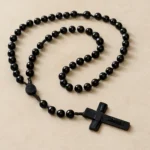
Anglican Prayer Beads: History, Meaning, and How to Use Them
Anglican prayer beads are a portable, contemplative devotional tool used by Anglicans and others drawn to a structured, rhythmic form of prayer. They sit at the intersection of liturgical tradition and personal devotion, borrowing the motif of beads as a tactile cue for prayer while adapting the content, cadence, and spiritual expectations to an Anglican or ecumenical sensibility. This article explores the history of these devotional beads, explains their meaning within Anglican spirituality, and offers practical guidance on how to use them in daily life, worship, or parish settings. While there is no single standardized form across the Anglican world, the broad trajectory shows continuity with the Anglican emphasis on prayer, Scripture, and the daily round, while embracing the personal, meditative, and intercessory dimensions that beads can facilitate.
The origins and history of Anglican prayer beads
The emergence of Anglican prayer beads is best understood as a late-twentieth-century development that grew out of a broader interest in domestic devotion and liturgical renewal. While Anglicans inherit a strong tradition of public prayer—especially the Daily Office (Morning Prayer, Evening Prayer, and, in many places, Compline)—the idea of a portable set of beads for personal prayer is a modern adaptation rather than a medieval Anglican invention. The form is often described as a chaplet or a devotional beads pattern that takes inspiration from several sources:
Catholic rosaries and monastic prayer rhythms: The tactile, repetitive element of recitation or contemplation on beads echoes the longstanding medieval and Catholic practice, but Anglican users typically modify the prayers to align with Anglican doctrine and language.
Protestant and evangelical devotion traditions that value personal prayer, scripture meditation, and accessible tools for ordinary believers.
The Daily Office and other Anglican prayer patterns: Beads are often integrated into devotional routines that already center around scripture readings, psalms, and intercessions, providing a tangible rhythm for prayer between moments of worship.
The exact timeline of the first Anglican prayer beads is not fixed, and there have been several influential voices and workshop-based communities that popularized them in different regions. What remains clear is that these beads are ecumenical in spirit—designed to serve Anglican spirituality while welcoming participants from other Christian traditions who are drawn to bead-based prayer. They are also adaptable: a parish might favor a more contemplative, silence-centered cadence, while another might emphasize intercession and liturgical content. The result is a family of designs rather than a single, universal blueprint.
In many Anglican circles, the beads are framed as a way to carry the rhythm of prayer into daily life. They can help people sustain attention, anchor prayers during travel or waiting periods, and provide a tactile means of marking time in a culture of constant distraction. Because Anglicanism places a high value on Scripture, the Book of Common Prayer, and the Church’s liturgical calendar, Anglican prayer beads are frequently configured to align with that spiritual ecology—even when the exact layout differs from one maker to another.
What are Anglican prayer beads?
At the most basic level, Anglican prayer beads are a set of beads arranged in a way that allows the user to say prayers or Scripture-informed petitions as they move from bead to bead. They are a devotional instrument, not a sacramental substitute, and they function best when they complement, rather than replace, reading of Scripture, corporate worship, and personal prayer with God.
There is no single standard form, but the designs commonly center around a few shared ideas:
Prayer cadence: Beads provide a controlled tempo for speaking or meditating prayers, often including short, repeatable phrases or scriptural touchstones for each bead or group of beads.
Christ-centered focus: The cruciform shape, beads that invite prayer in relation to Jesus Christ, the Father, and the Holy Spirit, and the inclusion of prayers for mercy, intercession, and thanksgiving are typical filters of Anglican devotion.
Scriptural and liturgical content: Prayers, phrases from the Psalms, or lines from the Book of Common Prayer may appear on or between beads, providing a distinctly Anglican theological frame for each movement.
A common way to describe the practice is to call these objects chaplet-style prayer beads designed for personal devotion, with Anglican language. The term Anglican rosary is also used, though it is not meant to imply an exact Catholic rosary structure; rather, it signals a devotional tool inspired by that lineage and adapted to Anglican prayer life. The variety in names—“Anglican prayer beads,” “Anglican chaplet,” or “Anglican rosary”—reflects diverse communities, makers, and spiritual preferences within Anglicanism and ecumenical circles.
Structure and variations: how these beads are designed
The design of Anglican prayer beads can vary widely, but several common structural themes recur. Understanding these themes helps readers imagine how to choose or craft a set that feels spiritually meaningful.
Bead groups and separators: Beads are often arranged in clusters separated by larger beads or a small spacer. The clusters may invite recitation of a short prayer or a contemplation prompt, while the separators serve as rhythmic or mental breaks between sections.
A crucifix or cross and a central piece: Many designs begin with a cross and include a central element (a charm, small cross, or centerpiece bead) that marks the midpoint of the devotional sequence.
A manageable total bead count: Beads range in number, with some traditional patterns offering a compact set that is easy to carry or wear. The aim is practicality alongside reverent use, so the maker often prioritizes a form that fits easily in a pocket, purse, or worn around the neck or wrist.
Customization options: Different parishes or individuals may add or remove beads to reflect personal devotion, family intentions, or liturgical seasons (e.g., Advent, Lent, Easter). Some makers imprint language on the beads themselves, while others rely on a printed card or guide that accompanies the beads.
A note on terminology: although many designs share core features, the arrangement of beads—how many beads, where the larger dividers sit, and how the centerpiece is positioned—varies. This reflects the Anglican emphasis on local custom and the organic growth of devotional life within congregations. In practice, you may encounter:
Beads organized into three or more “stations” with a cross, often used to guide shorter, repeated prayers or meditations during the day.
Four or more larger beads interspersed among smaller beads to create a rhythm that mirrors liturgical cycles or daily prayer meetings.
A simple loop with a few clusters designed for travel or quick use, suitable for busy clergy or laypeople on the move.
Regardless of the exact template, the essential aim is intentional quiet, a method for tending to prayer, and a portable reminder to turn the heart toward God throughout the day. For many, the tactile act of moving from bead to bead helps with focus, particularly in times of distraction, anxiety, or spiritual dryness. The beads are not magical; they are a tool that can support a disciplined practice of prayer, confession, intercession, and thanksgiving.
Meaning and theological significance
The spiritual significance of Anglican prayer beads rests on a few robust theological strands that resonate with Anglican thought:
Human embodiment and prayer: Beads anchor prayer in the body, inviting a physical rhythm that accompanies the mind and heart. In Anglican spirituality, embodied practices can deepen attentiveness to God’s presence within ordinary life.
Scriptural orientation: Beads can be used to guide short scripture-based prayers or biblical verses, keeping the mind anchored in Scripture as it is recited or contemplated.
Intercessory prayer: A key Anglican discipline is intercession on behalf of the world, the church, public authorities, and the needs of neighbors. Beads can function as a portable intercessory calendar, where each bead or cluster corresponds to a target of prayer.
Liturgical kinship: These beads align with the broader Anglican habit of structured prayer (the Daily Office) and with a rhythm that mirrors church calendars, seasons, and chosen collects. They are a devotional instrument that sits alongside formal liturgy rather than replacing it.
Personal devotion within a public tradition: Anglican identity often emphasizes both personal prayer and corporate worship. Beads reflect this dual emphasis: private practice that arises from communal memory—the creeds, the prayers of the church, and the life of the sacraments.
The content used on or around the beads—short prayers, Scriptural phrases, or liturgical invocations—can reflect the theology of the Anglican tradition: the Trinity, the work of Christ for salvation, the Holy Spirit’s sanctifying presence, and the call to live out faith in love of neighbor. In various designs, you may encounter repeated invocations to God the Father, God the Son, and God the Holy Spirit, or reflective phrases drawn from the Anglican prayer tradition—always adapted to maintain doctrinal integrity and pastoral sensitivity.
How to use Anglican prayer beads: a practical guide
If you are new to Anglican prayer beads, approaching them with a simple, structured method can help you establish a sustainable practice. The following guide offers a practical framework you can adapt to your personal style, parish tradition, or the spiritual season you are in.
Getting started
Choose a set that feels comfortable. It can be made of wood, glass, stone, or any material you find aesthetically and spiritually meaningful. The bead texture, color, and weight can influence your prayer experience.
Attach a cross or cruciform element, and, if your design includes one, a centerpiece that functions as a visual or tactile anchor for the practice.
Read a short guide or a simple set of prayers to accompany your beads. Many makers include a printed or digital leaflet with suggested phrases.
A simple three-step sequence (one common pattern)
Begin with a short invocation or opening prayer at the starting bead or the cross. This can be a personal plea for God’s presence in your day or a familiar opening prayer from the Anglican tradition (for example, a collect or a short prayer of blessing).
Move bead by bead with a concise prayer or Scripture touchstone. For each smaller bead, repeat a phrase such as “Lord, have mercy,” “Christ, have mercy,” or a brief line from the Lord’s Prayer or a psalm verse. For each cluster, you may recite a longer verse or a brief intercession.
Conclude with a closing prayer or blessing at the final bead, optionally offering thanks for answered prayers and committing the day or night to God’s care.
A few practical patterns you might encounter
Intercession pattern: Each cluster is tied to a different set of intercessions—community concerns, the sick, the nation, the church, family, and friends. The pattern helps a person carry multiple requests in a single devotional session.
Scripture-centered pattern: A short Bible verse or a phrase from the psalms is spoken on each bead, guiding meditation through a small but focused scriptural arc.
Seasonal pattern: During Advent or Lent, the phrases or prayers reflect penitence, waiting, or anticipatory hope, aligning the practice with the liturgical mood of the season.
Tips for beginners
Keep it brief at first: Start with five to ten minutes per session to avoid fatigue. You can gradually extend the duration as your focus strengthens.
Use a notebook or card: If you prefer, write out the pattern you plan to use and keep it with the beads as a reminder of the prayers or phrases to recite.
Be patient with rhythm: The value of bead-based prayer is in consistent practice more than in the complexity of the pattern. Over time, the cadence can become natural and soothing.
Combine with Scripture or the Daily Office: Many Anglican practitioners find it helpful to pair the beads with a brief reading from Scripture or a morning/evening prayer from the Book of Common Prayer.
Meaningful uses and alternatives: variations within the Anglican family
The broader Anglican family embraces a spectrum of devotional tools, and Anglican prayer beads sit within this spectrum as one option among many for personal devotion. Here are some variations you might encounter or consider:
Daily Office rhythm beads: Some makers design beads to accompany Morning Prayer or Evening Prayer, aligning the cadence with psalmody and scripture readings that are central to the Daily Office.
Intercessory chaplets: Beads arranged to facilitate targeted intercession—local communities, families, and global concerns—are a common variant that invites faithful petition for others.
Seasonal chaplets: Beads colored or inscribed to reflect Advent, Christmas, Lent, Easter, or Pentecost help believers enter the mood of the church year through tactile prayer.
Monastic and catechetical adaptations: Some parishes adapt bead devotion to catechetical or spiritual formation programs, guiding laypeople through core beliefs, sacraments, and the Christian life within a bead-based framework.
It is common for individual parishes to create their own unique patterns, or for households to customize a bead set to reflect family prayers, specific ministry concerns, or personal spiritual journeys. The strength of Anglican practice is its ecclesial flexibility and its willingness to adapt tools to nurture devotion while staying rooted in the church’s doctrinal and liturgical center.
Materials, crafting, and symbolism
The physical materials chosen for Anglican prayer beads—wood, glass, stone, or ceramic—often carry intentional symbolism. Some people select materials for their symbolism (e.g., olive wood for peace and renewal, bone or stone for grounding, glass for clarity), while others prioritize durability and aesthetics for daily use. The choice of color can reflect ordinary time, Advent, Lent, or Easter, or may simply be a personal preference that invites meaningful reflection.
Crafting a set can be a spiritual practice in itself. For some, the act of measuring strings, tying knots, and attaching a cross becomes a meditative process that augments the prayer life it is designed to support. Parish members who assemble bead sets often include a short guide with the beads, offering a shared resource for community prayer. In other contexts, individuals may purchase or commission bead sets from artisans who understand Anglican prayer practice and who tailor the design to reflect parish or personal devotional aims.
While Anglican prayer beads are widely used among Anglicans, they also resonate with ecumenical Christian communities that value contemplative prayer and tactile devotional aids. The broader Christian tradition recognizes the power of object-based prayer as a way to structure attention, memory, and supplication before God. Within Anglicanism, beads are most intelligible when understood as a tool—a means to cultivate intimate conversation with God that is compatible with the Church’s worship, Scripture, and tradition.
Some theologians and pastors emphasize that bead-based prayer should not supplant the more central practices of Scripture reading, corporate prayer, and participation in the sacraments. Instead, beads are recommended as a supplementary practice that can help believers stay present to God in the middle of a demanding day. In this sense, these devotional beads are a formation aid that can foster spiritual discipline, gratitude, intercession, and a deeper awareness of God’s presence in ordinary life.
Common misconceptions about Anglican prayer beads
As with any devotional tool that has gained popularity across diverse communities, several misunderstandings can arise. Here are a few common misconceptions clarified:
They are a mandatory or universal Anglican practice: Not all Anglicans use or endorse prayer beads, and there is no official requirement for Anglicans to adopt bead-based devotion. It is one of many possible spiritual practices available within the broad Anglican tradition.
Beads replace Scripture or liturgy: Beads are intended to support prayer, not replace the grounded daily practice of Scripture reading, prayer, and participation in the sacraments as described in Anglican teaching.
There is a single correct design: The Anglican world hosts a variety of bead patterns and designs. The important bit is the spiritual intention and alignment with Anglican theological and liturgical sensibilities.
For churches, educators, and clergy who wish to introduce Anglican prayer beads in parish life or faith formation programs, a few practical suggestions can help:
Provide clear guidance: Offer a simple, accessible guide that explains the purpose of the beads, how to use them, and suggested prayers or scriptural touchpoints.
Offer diverse designs: Provide a small selection of bead designs to reflect different personal preferences, comfort levels, and levels of experience with prayer beads.
Integrate with the liturgical calendar: Tie bead prayers to the seasons and readings of the church year, so the practice complements what the congregation is already experiencing in worship.
Encourage sharing: Allow space for parishioners to share how bead-based prayer has affected their spiritual life. This openness can foster a supportive community.
Conclusion: the place of Anglican prayer beads in a faithful life
Anglican prayer beads offer a quiet, tactile avenue for turning the attention of the heart toward God. They embody a practical spirituality that sits well with Anglican commitments to Scripture, tradition, and reason, while inviting personal devotion and intercessory prayer. Their strength lies not in a single, uniform format but in their flexibility and adaptability: a set of beads can be crafted, prayed with, and cherished in many ways, reflecting the preacher, parish, and family who use them.
If you are considering using or creating Anglican prayer beads, you might begin with a small, simple design and a straightforward pattern—perhaps a brief invocation, several short prayers or scriptural phrases, and a closing blessing. Over time, you can tailor the prayers to seasons, concerns, and opportunities in your life and in your parish. Remember that the beads are a means to nurture conversation with God, not an end in themselves. In the spirit of Anglican orthodoxy and charity, let them deepen your love of God, your neighbor, and your own spiritual growth.