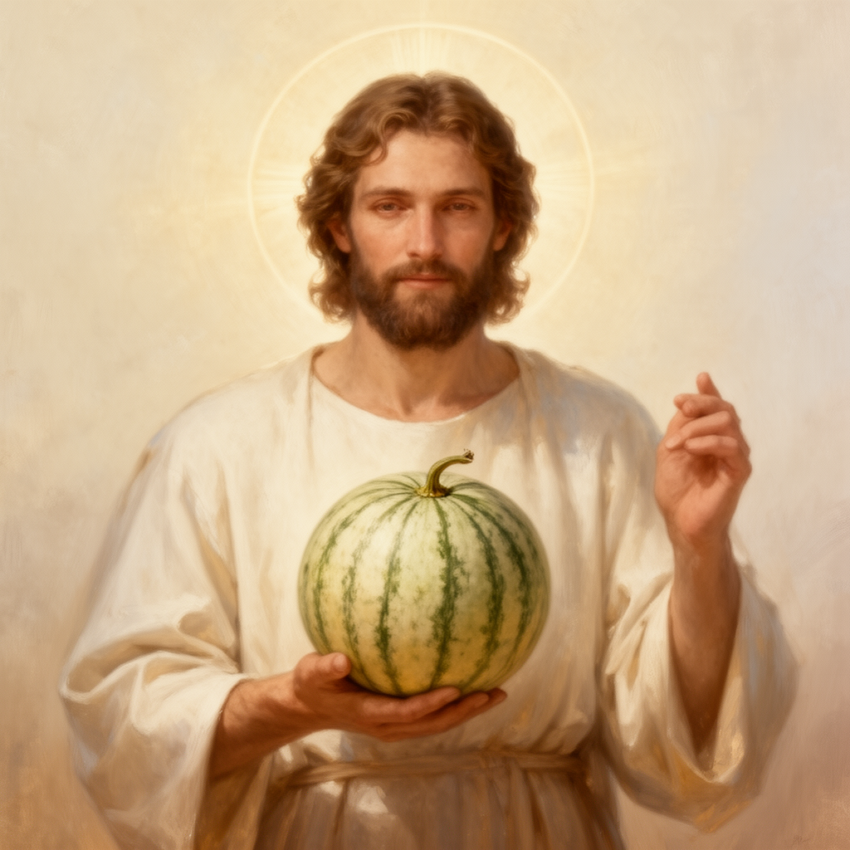
Melons are sprawling, vining plants with lobed, coarse green leaves and tendrils that climb supports. The fruit is typically round or oval, with a smooth or netted rind, and ranges from small to large (up to several kilograms). Inside, the flesh is sweet, juicy, and varies in color from orange to green or yellow, containing numerous seeds. The plant thrives in warm, sunny climates with well-drained soil rich in organic matter, requiring ample water during growth. Blossoms are large, yellow or orange, with five petals, attracting pollinators like bees. Melons are cultivated worldwide, especially in arid and semi-arid regions, where they are valued for their refreshing fruit and nutritional benefits.
Native to tropical and subtropical regions of West Africa and Southwest Asia, melons thrive in hot, dry climates with rich, well-drained soils. They are now cultivated throughout the Middle East, Mediterranean, India, and parts of North Africa, adapting well to regions with long growing seasons and abundant sunlight.
First Biblical Mention
Ezra 3:7 — Early mention where Cyrus encourages the Israelites to rebuild Jerusalem’s temple, possibly referring to the provision of fruit-bearing plants like melons for offerings or food.
The prophet Ezekiel describes God’s care using the imagery of a young woman growing and flourishing like a delicate vine with mature foliage.
The melon here symbolizes growth, abundance, and God’s nurturing love—highlighting themes of blessing and vitality.
Song of Solomon 4:13-14
The bridegroom praises the bride’s garden, describing it with various luscious plants and fruits.
Melons are metaphorically associated with fertility, beauty, and divine abundance in love poetry.
✨ Symbolic Meaning in Scripture
Throughout Scripture, melons symbolize abundance, divine blessing, and fertility. They evoke a sense of prosperity and God's provision, often representing spiritual nourishment and the fruits of righteousness. In biblical poetry and parables, the lusciousness of melons underscores themes of reward, grace, and divine generosity. As a fruit that thrives with God's blessing, it can also symbolize the bounty of the Promised Land, reflecting hope and divine favor. Its sweetness points to the spiritual joy and fulfillment found in communion with God, emphasizing that true nourishment comes from divine provision, much like the fruitful harvests in biblical narratives.
🏺 Cultural Uses in the Ancient World
Ancient Israelites and neighboring peoples cultivated melons as both food and medicinal remedies. The fruit was a valued dietary staple, especially in arid regions, offering hydration and nutrients. Melon seeds and leaves were sometimes used in traditional medicine for digestive and health issues. They also featured in trade, often exchanged as luxury items. In festivals, especially harvest celebrations, melons symbolized fertility and abundance—used in offerings and communal feasts. Their cultivation was part of the agricultural cycle, and they played a role in social and religious customs related to thanksgiving and blessing.
✡️ In Jewish Tradition
In Jewish tradition, melons are appreciated as part of the Seudah (festive meal) during holidays like Sukkot, symbolizing harvest bounty. Rabbinic literature recognizes the importance of fruit trees, including melons, as signs of divine blessing. They are also connected to themes of fertility and completeness in biblical and Talmudic teachings, often used metaphorically to illustrate spiritual growth and divine kindness.
Christian interpretations see the melon as a symbol of spiritual sweetness and divine grace. It exemplifies the fruitful life attainable through faith, referencing the biblical themes of abundance and provision. The image of an abundant, sweet harvest echoes New Testament messages of spiritual harvests, blessings, and the fruits of the Spirit. It reinforces Christ’s promise of spiritual nourishment and the abundant life in Him, often used in sermons about God's generosity and the blessings of divine providence.
🔬 Modern Botanical Identification
Botanically, melons are identified as Cucumis melo, a highly diverse species with many varieties worldwide. While traditional biblical references likely point to various types of sweet, fleshy fruits like muskmelons or cantaloupes, there is no definitive consensus on the exact modern species referenced. Some scholars suggest biblical melons could refer to wild or early cultivated forms, possibly indistinct from obscure or ancestral varieties. Nonetheless, cucina and botanical studies support Cucumis melo as the most plausible candidate.
🗺️ Where Is It Found Today?
Today, melons are cultivated extensively in Israel, the Middle East, North Africa, the Mediterranean, and tropical regions worldwide. In Israel, melons grow in regions with warm summers such as the Jordan Valley and Negev. They are also widely grown commercially in California, Spain, and India, thriving in climates that emulate their native warm, dry environments.
❓ Frequently Asked Questions
Are biblical melons the same as modern melons?
While they share similarities, biblical melons likely refer to wild or early cultivated varieties of Cucumis melo, which may differ from today’s cultivated cantaloupes or honeydews. The exact species or variety remains uncertain, but they are generally considered ancestors of modern melons.
What is the spiritual significance of melons in the Bible?
Melons symbolize abundance, divine blessing, and spiritual nourishment. They represent God’s providence and the fruitful blessings of the Promised Land, reflecting themes of prosperity, fertility, and divine grace throughout Scripture.
Can melons be grown outside the Middle East today?
Yes, melons are cultivated globally, especially in warm, sunny climates such as the southern United States, Mediterranean countries, India, and parts of Australia. They require a long, warm growing season and well-drained soil to thrive.
✨ Did You Know?
Ancient Egyptian tomb paintings depict melon-like fruits, suggesting they were cultivated and valued over 4,000 years ago. Archaeological findings of melon seeds in biblical-era sites support their longstanding cultural significance in the Near East.