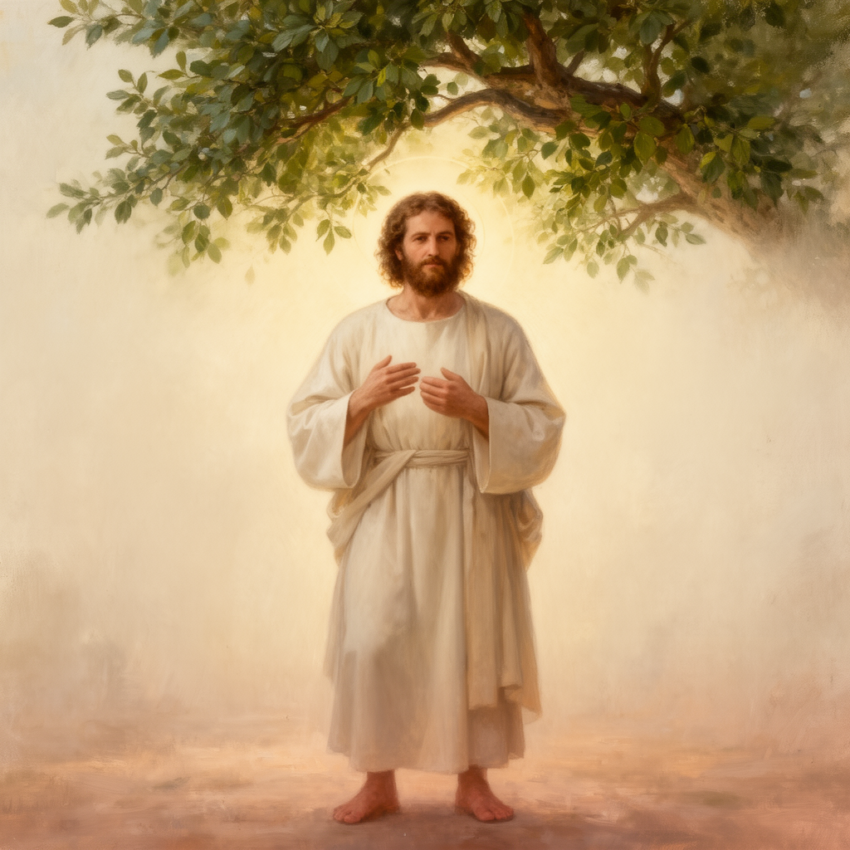
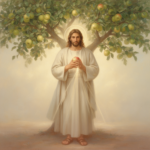
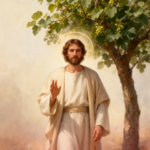
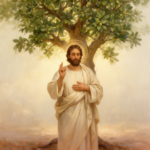
The plane tree is a deciduous, rapidly growing hardwood tree reaching up to 30 meters in height. It features a broad, spreading canopy with large, maple-like lobed leaves that provide dense shade. The bark is smooth and pale when young, developing characteristic patches and exfoliating in irregular plates as it matures. Its flowers are small, clustered catkins appearing in spring, followed by round, spiny fruits containing numerous seeds. Ideal growing conditions include moist, well-drained soils in Mediterranean climates, thriving in full sun. Its resilience to pollution and drought makes it a prominent urban and wild species throughout its native range. The tree’s impressive size and sprawling branches have made it a symbol of permanence and stability through centuries.
Native to the eastern Mediterranean and Western Asia, particularly Turkey, Greece, and the Levant, the plane tree favours riverbanks, moist lowlands, and limestone soils. It tolerates a range of climates from hot, dry summers to mild, wet winters, thriving especially in Mediterranean and Near Eastern regions.
First Biblical Mention
Genesis 13:18 — where Abram establishes his oaks/plane trees as a sign of peace and divine blessing.
Abram pitches his tent near Hebron and plants a plane tree as a sign of prosperity and settlement.
Symbolizes stability, divine blessing, and the establishment of a home or a sacred space.
2 Samuel 18:9
Absalom’s hair gets caught in the branches of the plane tree during his flight, leading to his death.
Represents the intertwining of nature with human fate and underscores themes of downfall and divine justice.
Isaiah 1:30
A reference to the plant’s vanishing shade, symbolizing loss of strength and protection.
Represents the fleeting nature of worldly security without spiritual steadfastness.
✨ Symbolic Meaning in Scripture
The plane tree in biblical symbolism embodies stability, eternal endurance, and divine protection. Its longevity and resilience reflect God's faithfulness and the hope of eternal life. The tree’s expansive canopy signifies shelter, community, and divine sheltering presence. In biblical narratives, it often represents steadfast faith and divine blessing, serving as a sacred landmark or a symbol of divine providence. Its tendency to provide shade and shelter also positions it as a symbol of refuge for pilgrims and believers. Moreover, the plane tree's association with significant biblical events emphasizes themes of divine covenant, prosperity, and divine justice. Its enduring nature encourages believers to trust in God's eternal promises amidst life's transient challenges.
🏺 Cultural Uses in the Ancient World
Ancient peoples used the plane tree extensively; its timber was valued for construction, furniture, and tools due to its durability. Its bark was used in traditional medicine for treating ailments like coughs and inflammations. The tree’s dense foliage provided shade for markets and gatherings, making it central to social and religious life. Its fruits, though not primarily consumed, were sometimes used in traditional remedies. The tree also held symbolic importance in rituals and was planted near communal spaces, tombs, and religious sites, emphasizing its role in daily life and spiritual expression in ancient Israel and neighboring cultures.
✡️ In Jewish Tradition
The plane tree is mentioned in rabbinic literature as a symbol of endurance and divine blessing. It is associated with biblical figures and stories of stability. Some customs involve planting or venerating certain plane trees near synagogues or settlements as a sign of faithfulness to God’s promises. Although not as prominent as the cedar or fig, it is appreciated for its resilience, often linked to justice and divine protection in rabbinic symbolism.
Christian interpreters view the plane tree as a symbol of faithfulness, eternal life, and divine protection. Its evergreen-like resilience and stability are seen as reflections of God’s everlasting covenant. The tree’s association with biblical stories of refuge and divine care often inspire spiritual lessons on trust and divine provision in Christian teachings. Early Christian symbolism sometimes linked the tree with the concepts of salvation and divine enduring presence, reflecting its significance in Scripture and tradition.
🔬 Modern Botanical Identification
Scholars generally identify the biblical plane tree as Platanus orientalis, the Oriental plane. While this identification is widely accepted, some debates suggest it could include other Platanus species or even extinct relatives. The tree’s biblical references are consistent with the habitat and appearance of P. orientalis, though ancient regional species diversification complicates pinpointing a precise modern counterpart.
🗺️ Where Is It Found Today?
Today, the Oriental plane tree thrives along riverbanks, parks, and urban streetscapes across Israel, Turkey, Greece, and the broader Mediterranean region. It is especially prominent in historical and archaeological sites in Jerusalem, Hebron, and ancient Near Eastern cities, where its shade and grandeur continue to symbolize stability and divine blessing.
❓ Frequently Asked Questions
Is the biblical plane tree the same as the modern Platanus orientalis?
Yes, most scholars agree that the biblical plane tree corresponds to Platanus orientalis, the Oriental plane, based on descriptions and habitat. However, some debate remains about other possible species or extinct relatives.
What does the plane tree symbolize in biblical stories?
It symbolizes stability, divine blessing, endurance, and refuge. Its presence in key biblical narratives underscores themes of faithfulness, divine protection, and divine justice.
Can I see a plane tree today in Israel?
Yes, mature plane trees are visible in many historic sites and cities throughout Israel, particularly along ancient trade routes, near Jerusalem, and in nature reserves dedicated to preserving Near Eastern flora.
✨ Did You Know?
The plane tree’s distinctive exfoliating bark and massive size have made it a symbol of resilience throughout history. Archaeological excavations have uncovered ancient plane wood used in pottery and artifacts, dating back thousands of years, highlighting its long-standing significance in Near Eastern culture.